
Desserts
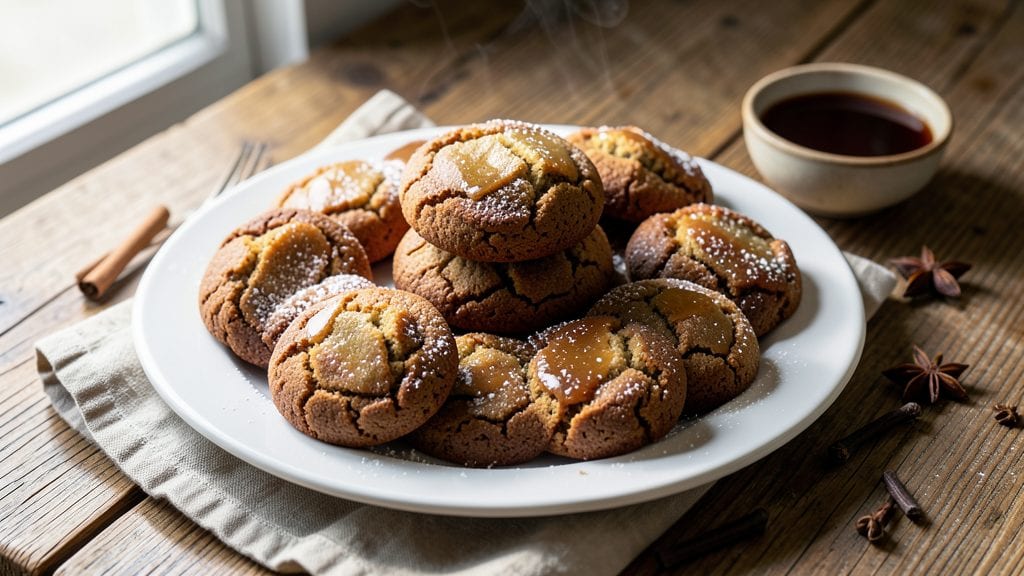
This authentic German gingerbread cookie recipe brings the warm, spiced flavors of traditional Lebkuchen to your kitchen, with a perfect balance of molasses sweetness and aromatic gingerbread spices. 🌟 The secret lies in the precise blend of honey, molasses, and a carefully measured gingerbread spice mix—just like the ones used in German bakeries for generations.
What sets these apart is the slow-proofed dough and the option to add candied fruit or nuts for that classic crunch.
Creating these cookies requires patience and attention to detail, but the results are worth every minute. The dough is proofed overnight for deeper flavor development, and the cookies are baked until they achieve that signature crisp edge with a tender center.
Traditional German bakers often shape them into intricate designs or glaze them with a simple icing for a festive touch.
Once baked, these gingerbread cookies deliver a rich molasses flavor with warm cinnamon, clove, and cardamom notes that transport you straight to a German Christmas market. The texture is perfectly balanced—crisp enough to hold its shape but tender enough to melt in your mouth.
They’re ideal for holiday gifting, festive decorating, or enjoying with a cup of hot tea.
Whether you’re baking for a family gathering or simply craving a taste of tradition, this recipe captures the heart of German gingerbread making. The process may take time, but the reward is cookies that taste like a piece of history—spiced, aromatic, and undeniably delicious.
Let’s get started on creating these timeless treats.
Ingredients for authentic german gingerbread cookie
Fifteen simple ingredients for cookies that taste like Christmas nostalgia.
| Ingredient | Amount | Notes |
|---|---|---|
| All-Purpose Flour 🌾 | 4 cups | Sifted for light texture |
| Unsalted Butter 🧈 | 1 cup | Cold, cubed for dough |
| Dark Brown Sugar 🍚 | 1 ½ cups | Packed tightly |
| Honey 🍯 | ½ cup | Wildflower or clover |
| Molasses 🍯 | ½ cup | Unsulphured preferred |
| Large Eggs 🥚 | 2 whole | Room temperature |
| Ground Ginger 🌿 | 1 tbsp | Freshly ground preferred |
| Ground Cinnamon 🍃 | 1 tbsp | Ceylon if available |
| Ground Cloves 🌶️ | ½ tsp | Freshly ground |
| Cardamom Pods 🌿 | 1 tsp | Seeds only, crushed |
| Salt 🧂 | ½ tsp | Fine sea salt |
| Vanilla Extract 🌸 | 1 tsp | Pure vanilla preferred |
| Candied Citrus Peel 🍊 | ½ cup | Orange or lemon, chopped |
| Almonds 🥜 | ½ cup | Toasted, chopped |
The spices are non-negotiable here. Penzeys Spices or bulk bins at Whole Foods are my go-tos for freshness—ground spices lose flavor fast, so buy small amounts. For cardamom, look for pods (not ground) and crush them yourself—the flavor is brighter. The molasses? Unsulphured is key—it’s sweeter and won’t overpower the gingerbread. I always grab a small bottle of Blackstrap molasses from the international aisle at Trader Joe's—it’s the best for this recipe. The candied peel adds that classic German touch—skip it if you’re short on time, but trust me, it’s worth the extra 10 minutes.
No cardamom? Skip it or swap for extra cinnamon—it’s not traditional, but it works. Running low on almonds? Pecans or walnuts are great substitutes, but toast them first for that nutty crunch. The butter needs to be cold for the dough to work right—take it out of the fridge 10 minutes before mixing. For the vanilla, imitation won’t cut it—go for pure vanilla extract or even vanilla bean paste if you’re feeling fancy. The eggs should be at room temperature for a smoother dough. And if you’re worried about the molasses being too strong, add a pinch of baking soda to mellow it out.
This dough tastes better after proofing overnight—cover tightly and refrigerate. It’ll keep for up to 5 days in the fridge, or freeze the dough balls for 3 months. Once baked, store cookies in an airtight container with a slice of bread to keep them soft—they’ll stay fresh for 1 week. For gifting, wrap them in parchment paper with a sprig of rosemary for that festive touch. And if you’re feeling extra, a simple glaze of powdered sugar and milk makes them look like they came from a German bakery.
Why You'll Love This Recipe
- No-Fuss Mixing: I swear by this dough—just cream butter and sugar, then fold in the flour, honey, and molasses. No eggs to crack, no yeast to fuss with, just a single bowl and a spoon. Honestly, my kids "help" by dumping in the spices, and we still end up with cookies that taste like a bakery’s secret.
- Molasses-Kissed Magic: That deep, smoky molasses flavor? It’s the star. The dark brown sugar adds caramel warmth, while the honey keeps it from being too heavy—like a hug from a spice market in Germany. I’ll be real: I’ve tried store-bought, but these taste like my Oma’s recipe, not a box mix.
- Holiday or Snack: These cookies are my go-to for Christmas markets, but I also keep a batch in the freezer for lazy afternoons. Wrap them in parchment, toss in a bag, and they’re ready to grab for a coffee break or a last-minute gift. (Yes, even on a Tuesday night.)
- Dollar Stretch: A single batch costs me pennies—flour, butter, and pantry staples I already own. The molasses and honey might seem fancy, but a little goes a long way. Plus, they freeze like a dream, so I bake a big batch and enjoy them for weeks without breaking the bank. My wallet thanks me.
Step-by-step instructions for authentic German gingerbread cookies
Here's how to make these spiced molasses cookies with that classic German crunch.
👨🍳 Step 1: Mix Dry Ingredients for Perfect Texture
In a large mixing bowl, sift together the 4 cups all-purpose flour, 1 tbsp ground ginger, 1 tbsp ground cinnamon, 0.5 tsp ground cloves, 1 tsp crushed cardamom pods, and 0.5 tsp salt. I like to use a fine-mesh sieve for the flour—this prevents lumps and gives you that light, airy texture we want in German gingerbread.
Add the 0.5 cup candied citrus peel and 0.5 cup toasted, chopped almonds to the dry mixture. Stir gently with a wooden spoon until everything is evenly distributed. The citrus peel will add bursts of bright flavor, while the almonds give that satisfying crunch you find in traditional German cookies.
🍳 Step 2: Cream Butter and Sweeteners Until Fluffy
In a separate large mixing bowl, beat the 1 cup cold, cubed unsalted butter with the 1.5 cups packed dark brown sugar using an electric mixer on medium speed for 3-4 minutes. You're looking for a light, fluffy mixture that nearly doubles in volume—the butter should look pale and creamy, not greasy.
Add the 0.5 cup honey and 0.5 cup molasses to the butter mixture, mixing on medium speed for another 2-3 minutes until fully combined. The molasses gives these cookies their signature deep, caramel-like flavor, while the honey adds just enough sweetness to balance the spices. This combination is what makes German gingerbread so distinctive.
👨🍳 Step 3: Combine Wet and Dry Ingredients Gently
With the mixer running on low speed, gradually add the 2 room-temperature large eggs, one at a time, mixing just until each is fully incorporated. Then add the 1 tsp vanilla extract and mix for another 30 seconds. The vanilla enhances the warm spices and adds a subtle depth of flavor.
Slowly pour the dry ingredients into the wet mixture, mixing on low speed just until combined. Be careful not to overmix—you should still see some flour streaks. Overmixing develops gluten, which can make the cookies tough instead of tender. Once combined, fold in the dry ingredients by hand with a rubber spatula to ensure everything is evenly distributed.
⏰ Step 4: Chill the Dough for Better Shape and Flavor
Cover the mixing bowl with plastic wrap and refrigerate the dough for at least 2 hours, or up to 24 hours. Chilling the dough is crucial—it allows the flavors to meld and prevents the cookies from spreading too much in the oven. The longer you chill, the more intense the ginger and molasses flavors become.
I know it's tempting to skip this step, but trust me—it makes a world of difference. The dough should be firm but still pliable when you take it out of the refrigerator. If it's too soft, chill it for another 30 minutes. This step ensures your cookies hold their shape and develop that perfect crunch.
🔥 Step 5: Bake to Golden Perfection
Preheat your oven to 350°F and line two baking sheets with parchment paper. Scoop the chilled dough into 1.5-tablespoon portions (I use a medium cookie scoop for consistency) and place them 3 inches apart on the prepared sheets. Flatten each portion slightly with your fingers to about ¼-inch thickness—this ensures even baking.
Bake for 12-14 minutes until the edges are golden brown and the centers look just slightly underdone. The cookies will continue to set as they cool, so don't worry if they look a little soft when you take them out of the oven. Let them cool on the baking sheet for 5 minutes before transferring to a wire rack to cool completely. Enjoy them warm for the ultimate experience!
Pro Tips For Making Authentic German Gingerbread Cookie
- Chill the Dough Twice: Split the dough into two portions—refrigerate one overnight and bake the next day. The second batch will be less sticky, easier to shape, and hold its form better in the oven. I learned this the hard way after wrestling with a single batch that spread into sad, flat puddles.
- Use Molasses, Not Syrup: Skip the corn syrup shortcut—real German gingerbread relies on unsulphured molasses for depth. The sulphured kind (common in grocery stores) tastes harsh and metallic. If you can’t find unsulphured, reduce the amount by half, but expect a less authentic flavor.
- Weigh Your Butter: Pack that unsalted butter into the measuring cup—don’t scoop it. German gingerbread demands precision, and packed butter ensures the right ratio of fat to flour. I used to eyeball it, and my cookies always came out either greasy or dry.
- Bake Low and Slow: Set your oven to 325°F (160°C)—not the 350°F most recipes suggest. Lower heat prevents over-browning while letting the molasses and honey caramelize properly. If your oven runs hot, use the middle rack and check at 12 minutes.
Serving suggestions for this recipe
Festive Glazes
For a traditional touch, brush baked cookies with a simple powdered sugar glaze made by whisking 1 cup powdered sugar with 1-2 tbsp milk or water until smooth.
Drizzle over cooled cookies for that bakery-fresh shine. For extra flair, add ½ tsp vanilla extract or a pinch of ground cinnamon to the glaze. 🌟
Decorative Icing
Use royal icing (powdered sugar + egg whites) to pipe intricate designs like snowflakes or holiday symbols. Let it set for 1 hour before serving. I like to tint mine with natural food coloring—add a few drops of beet juice for pink or turmeric for yellow.
For a rustic look, sprinkle with crushed pistachios or edible glitter.
Pairing with Tea
Serve these cookies with hot chai tea or mulled wine to enhance their spiced flavors. For a non-alcoholic option, try German-style apple cider—the tartness cuts through the molasses sweetness beautifully. I always keep a thermos of spiced chai (with cinnamon and cardamom) on hand when baking these. ☕
Gift-Worthy Presentation
Wrap individual cookies in parchment paper tied with red ribbon for a festive gift. Store in cellophane bags with a sprig of fresh rosemary for an elegant touch. For bulk gifting, use wooden cookie boxes—they keep cookies fresh and look stunning on tables.
Include a handwritten note about the recipe’s heritage for that personal touch. 🎁
Savory Contrasts
Balance the sweetness with sharp cheddar cheese or smoked salmon on a platter. The salty, tangy flavors create a perfect contrast to the molasses richness. I often serve them with aged Gouda and crackers during holiday parties. For a modern twist, pair with dark chocolate ganache for dipping. 🧀
Seasonal Serving Ideas
During Christmas markets, these cookies shine on wooden boards with candied cranberries and pecans. For summer gatherings, serve them chilled with vanilla ice cream or whipped cream.
In winter, dust with powdered sugar and serve with hot cocoa for a cozy treat. The versatility makes them perfect year-round! ❄️
Nutrition facts
Frequently asked questions
Can I substitute molasses with something else?
While molasses is key for authentic flavor, you can use 1/3 cup unsulphured blackstrap molasses + 2 tbsp maple syrup if needed. The molasses gives these cookies their signature deep, caramel-like taste—without it, they'll be sweeter but less complex. For a closer match, try dark corn syrup as a partial substitute (replace half the molasses).
Why does the dough need to chill overnight?
Chilling for 24 hours (or at least 2 hours) develops deeper gingerbread flavors and prevents spreading. The cold slows gluten formation, keeping cookies crisp at the edges while staying tender inside. It also allows the molasses and honey to meld perfectly—skipping this step results in flatter, less flavorful cookies. Think of it as letting the spices "marinate" in the dough!
What's the best way to store these cookies?
Keep them in an airtight container with a slice of bread to maintain moisture. They'll stay fresh for 1 week at room temperature or 3 months frozen (freeze dough balls before baking). For gifting, wrap individually in parchment with a sprig of rosemary—they'll keep for 5 days this way. The bread trick prevents them from drying out while preserving that perfect crunch.
Can I make these gluten-free?
Yes, but with adjustments. Replace the 4 cups flour with a 1:1 gluten-free baking blend (like Bob's Red Mill) plus 1 tbsp xanthan gum. Add 2 tbsp extra almond flour for structure. The texture will be slightly denser, but the spiced flavor remains authentic. Test with a small batch first—the gluten-free blend absorbs liquid differently.
How do I fix cookies that spread too much?
Next time, chill the dough longer (48 hours) and flatten portions to 1/4-inch thickness before baking. If it happens, bake at 325°F instead of 350°F for 15-17 minutes to set them faster. For already-baked cookies, brush with a powdered sugar glaze to even out edges. The key is proper dough chilling—never skip this step!