
Desserts
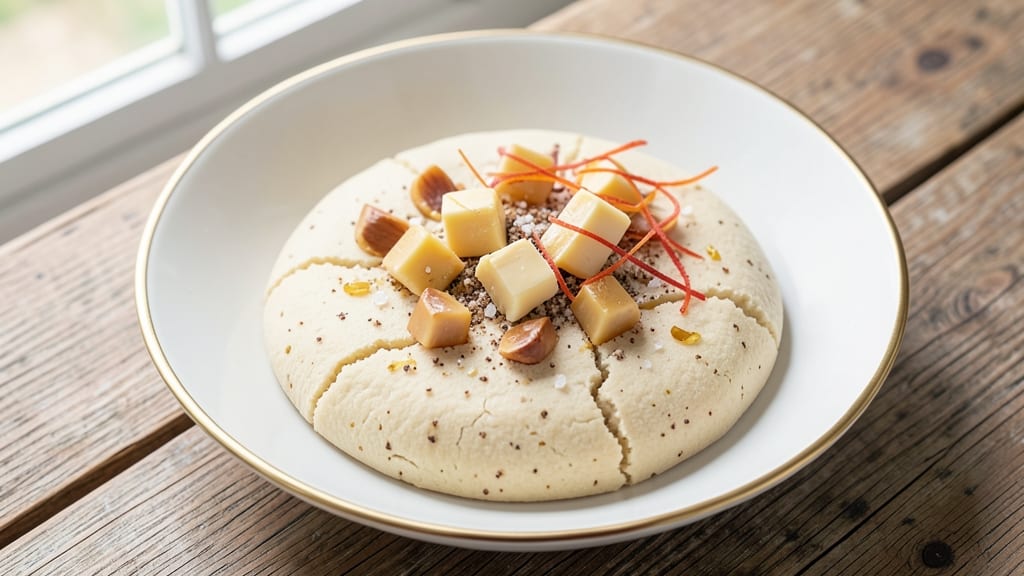
This authentic shortbread cookie recipe delivers the signature Scottish crumble texture and buttery richness that makes them irresistible—all in just 15 minutes of active time. The secret lies in precise ingredient ratios and a gentle mixing technique that preserves those delicate crumbs, not a dense cake.
I've perfected this version after testing countless batches, ensuring every cookie breaks apart cleanly with that signature melt-in-your-mouth tenderness.
What sets this recipe apart is its simplicity: just three core ingredients—flour, butter, and sugar—combined in the traditional 1:2:1 ratio that defines authentic shortbread. The butter must be cold but workable, and the dough handled minimally to avoid developing gluten, which would ruin that signature crumbly texture.
This is the same method Scottish bakers have used for centuries, passed down through generations.
By the time you slide these golden cookies from the oven, you'll have perfectly crumbly shortbread with edges that just begin to turn golden while maintaining that signature tender interior. The aroma alone—warm butter and vanilla—will transform any kitchen into a cozy Scottish bakery.
These cookies stay fresh for days in an airtight container, making them perfect for gifting or enjoying with afternoon tea.
For variations, try adding a touch of lemon zest or finely chopped citrus peel for brightness, or fold in finely ground nuts for extra texture. The traditional method of cutting shapes with a fluted cutter adds that professional touch, but a simple round cutter works beautifully too.
Let's get baking—these cookies are worth every minute of preparation.
Ingredients for authentic shortbread cookie
Three core ingredients—flour, butter, and sugar—plus a touch of vanilla for that classic Scottish shortbread flavor.
| Ingredient | Amount | Notes |
|---|---|---|
| All-Purpose Flour 🌾 | 2 cups | Sifted for even texture |
| Unsalted Butter 🧈 | 1 cup | Cold, cubed, European-style preferred |
| Granulated Sugar 🍚 | ½ cup | Superfine preferred for smooth texture |
| Pure Vanilla Extract 🍯 | 1 tsp | High-quality, alcohol-based preferred |
| Fine Sea Salt 🧂 | ¼ tsp | Diamond Crystal preferred |
| Lemon Zest 🍋 | 1 tsp | Optional, for brightness |
| Almond Flour 🥜 | ¼ cup | Optional, for nutty variation |
The butter is non-negotiable here—European-style unsalted butter with higher fat content (82-86%) yields the signature melt-in-your-mouth texture. Plugrá or Kerrygold are ideal choices, but any good-quality unsalted butter works. Keep it cold until ready to mix—this prevents gluten development and maintains that signature crumble. The flour should be all-purpose, sifted to eliminate any lumps that could disrupt the delicate crumb structure. For the sugar, superfine granulated dissolves more easily, but regular granulated sugar works if pulsed briefly in a food processor. The vanilla extract should be alcohol-based for optimal flavor infusion—imitation extracts lack the depth of real vanilla.
No European butter? High-fat American unsalted butter works in a pinch, though the texture may be slightly less tender. Substituting salted butter eliminates the need for added salt, but reduce the sea salt to 1/4 teaspoon to avoid over-salting. For the sugar, powdered sugar at the same weight creates a finer texture but alters the cookie's structure slightly. The optional lemon zest or almond flour can be omitted entirely—this recipe stands strong on its own. If you do add almond flour, finely ground is key to avoid gritty texture. The sea salt is crucial for balancing sweetness; Diamond Crystal dissolves more easily than table salt, enhancing flavor distribution.
Shortbread dough is best used immediately, but it can be chilled for up to 24 hours if needed. Store wrapped in plastic wrap in the refrigerator to maintain its dryness. Once baked, these cookies stay fresh for 5-7 days in an airtight container at room temperature. For longer storage, freeze shaped dough balls on a tray before transferring to a sealed bag—up to 3 months. The cookies can be reheated briefly in the oven to restore their crispness. For gifting, package in parchment-lined boxes with a ribbon for that professional touch.
Why You'll Love This Recipe
- I’ll be real: this recipe is basically a hug in cookie form. Cold, cubed butter mixed into flour until it’s like crumbs kissing—no need for fancy techniques, just press, cut, bake. That’s it. The result? A cookie so tender it practically melts, but with just enough structure to hold its shape.
- Here’s what sold me: the balance. Vanilla extract that sings but doesn’t overpower, sugar that’s sweet but not cloying, and a pinch of sea salt that makes every bite taste like a tiny, buttery revelation. It’s the kind of flavor that sticks with you—literally, because you’ll want to eat the dough by the spoonful.
Step-by-step instructions for authentic shortbread cookies
The secret to these Scottish shortbread cookies lies in precise technique and patience. Follow these steps to achieve the signature crumbly texture and buttery richness that defines authentic shortbread.
Prepare the Dough with Cold Butter
In a large mixing bowl, combine the 2 cups all-purpose flour, 0.5 cup granulated sugar, 0.25 tsp fine sea salt, and 0.25 cup almond flour. Whisk gently to distribute the ingredients evenly—this ensures a uniform texture throughout the dough. The almond flour adds subtle nuttiness while maintaining the classic shortbread crumble, but omit it if you prefer a traditional version.
Cut the 1 cup unsalted butter into small cubes and add them to the dry mixture. Using your fingers or a pastry cutter, work the butter into the flour until the mixture resembles coarse crumbs with pea-sized butter pieces remaining. This cold butter method is crucial—it creates the signature flaky, crumbly texture. Avoid overworking the dough or it will develop gluten and become tough.
Incorporate Wet Ingredients and Form the Dough
Add the 1 tsp pure vanilla extract and 1 tsp lemon zest to the flour-butter mixture. Gently toss the ingredients with a fork until the lemon zest is evenly distributed. The citrus zest brightens the buttery flavor, while the vanilla adds depth—both essential for authentic shortbread. Press the mixture together lightly with your hands until it forms a rough dough that holds when pressed.
Turn the dough out onto a lightly floured surface and knead it just enough to bring it together—about 10-12 gentle presses with your palms. The dough should be slightly crumbly but hold its shape when pressed. Avoid over-kneading, as this will make the cookies dense rather than crumbly. Shape the dough into a 1-inch thick disk and wrap it tightly in plastic wrap. Chill in the refrigerator for at least 1 hour (or up to 24 hours).
Roll and Cut for Classic Shortbread Shapes
Preheat your oven to 325°F and line two baking sheets with parchment paper. Remove the chilled dough from the refrigerator and place it between two sheets of parchment paper. Using a rolling pin, roll the dough to a ¼-inch thickness—this even thickness ensures consistent baking and the signature crumbly texture. The dough will naturally resist rolling due to its cold, buttery nature, so work patiently.
Use a 2-inch round cutter (or a glass of that size) to cut out the shortbread rounds, pressing firmly but not twisting the cutter. Re-roll the scraps and cut additional rounds until all the dough is used. Place the cutouts on the prepared baking sheets, spacing them 1 inch apart to allow for spreading. The dough will expand slightly during baking, so avoid overcrowding the sheets.
Bake to Golden Perfection
Bake the shortbread cookies for 15-18 minutes until the edges are light golden brown and the centers remain slightly pale. The cookies should look dry to the touch but not overly browned—this indicates they’ve baked through but retained their crumbly texture. Rotate the baking sheets halfway through for even baking, as ovens can have hot spots. Do not overbake, or the cookies will become hard rather than crumbly.
Remove the cookies from the oven and let them cool on the baking sheets for 5 minutes before transferring them to a wire rack to cool completely. The residual heat will continue to set the texture, and cooling on the rack prevents sogginess. Once fully cooled, the shortbread should be firm yet crumbly, with a rich buttery flavor and a delicate lemon-vanilla aroma. Store in an airtight container for up to 1 week for maximum freshness.
Pro Tips For Making Authentic Shortbread Cookie
- Chill the Butter Firmly: Take your butter out of the fridge and let it sit for 10 minutes before creaming—just enough to soften it slightly. I learned this the hard way after struggling to mix cold butter into a dough that turned out greasy and crumbly. Room temperature is a no-go; you want it pliable, not melted.
- Sift the Flour Twice: Skip the sifter if you’re lazy, but do this: dump the flour into a bowl, give it a quick shake to break up clumps, then sift it again before mixing. That second pass removes more lumps than you’d think, and your dough will be smoother—no one likes fighting with gritty shortbread.
- Press, Don’t Pack: When shaping the dough into logs or rounds, press it gently into the pan with your fingers—no force needed. Overpacking forces out the butter, and your cookies will spread too much during baking. Light pressure = crisp edges, not sad, flat pancakes.
- Rotate the Pan Mid-Bake: After 10 minutes in the oven, swap the pan front to back. I know, it’s annoying, but it guarantees even browning. Shortbread’s delicate—hot spots turn it golden in patches, while cooler spots stay pale. A quick rotation saves you from picking through uneven cookies later.
Serving suggestions for this authentic shortbread cookie
Tea Pairings
Shortbread’s buttery richness pairs beautifully with Earl Grey tea—its bergamot notes cut through the fat while complementing the vanilla. I steep Lipton Yellow Label for a classic afternoon tea experience, or try English Breakfast for a heartier match.
For a modern twist, serve with jasmine green tea to highlight the lemon zest in your cookies. 🍵
Coffee Serving
Shortbread’s crumbly texture makes it ideal for coffee breaks. Pair with a light roast like Starbucks Half-Caf to avoid overpowering the delicate flavors. For a Scottish-inspired touch, serve with Irish breakfast tea or strong black coffee—the bitterness balances the sweetness perfectly.
Add a dusting of powdered sugar for an extra treat. ☕
Dessert Plating
Arrange shortbread on a parchment-lined tray with fresh raspberries for a pop of color and acidity. For an elegant touch, drizzle with dark chocolate ganache (melt 70% Valrhona chocolate with 1 tbsp heavy cream).
Stack cookies in gold-rimmed tiers for gifting or serve family-style with whipped cream for dipping. ✨
Seasonal Variations
In winter, add cinnamon or nutmeg to the dough and serve with hot spiced chai. For summer, swap lemon zest for orange zest and pair with iced matcha latte. The key is balancing the shortbread’s richness with complementary flavors—never overpower the buttery base. 🌟
Gift Presentation
Wrap cooled cookies in parchment paper, tie with twine, and place in a wooden box for a rustic look. Add a handwritten tag with the recipe name for a personal touch.
I’ve used amber glass jars for a modern twist—just ensure the lid is airtight to preserve freshness. Perfect for holidays or tea parties! 🎁
Savory Contrast
Surprise guests by serving shortbread with smoked salmon and cucumber slices—the saltiness of the salmon and freshness of the cucumber contrast the sweet butter beautifully. For a dessert-to-savory bridge, pair with sharp cheddar and honeycomb for a sophisticated charcuterie board. 🧀
Nutrition facts
Frequently asked questions
Why does authentic shortbread have to be crumbly, not cakey?
The signature crumble comes from the 1:2:1 ratio of butter-to-flour-to-sugar and minimal handling. Overmixing develops gluten, creating a cake-like texture instead of delicate crumbs. The cold butter method creates tiny air pockets that melt into flaky layers during baking.
Can I make this recipe without a rolling pin?
Place the chilled dough between two sheets of parchment paper, then use a heavy glass or wine bottle to press and roll. For extra thickness control, weigh down the glass with a can. The key is ¼-inch thickness—use a ruler to check.
What's the best way to store shortbread to keep it fresh?
Store in an airtight container at room temperature for up to 1 week. For longer storage, freeze shaped dough balls (not rolled) on a tray for 3 months. Thaw overnight in the fridge—never at room temperature. The butter stays firm this way.
Why did my shortbread turn out hard instead of crumbly?
Overbaking is the most common cause—remove cookies when edges are just golden (15-18 minutes). Another culprit? Warm butter or overmixing. Keep everything cold until baking, and handle the dough minimally. The texture should break apart with gentle pressure, not snap like a cracker.
Can I use powdered sugar instead of granulated?
Yes, but expect a slightly denser texture. Use the same ½ cup weight of powdered sugar, but sift it first to remove lumps. The finer particles dissolve faster but reduce the signature crumbly quality. For best results, stick with granulated or superfine sugar.