
Desserts
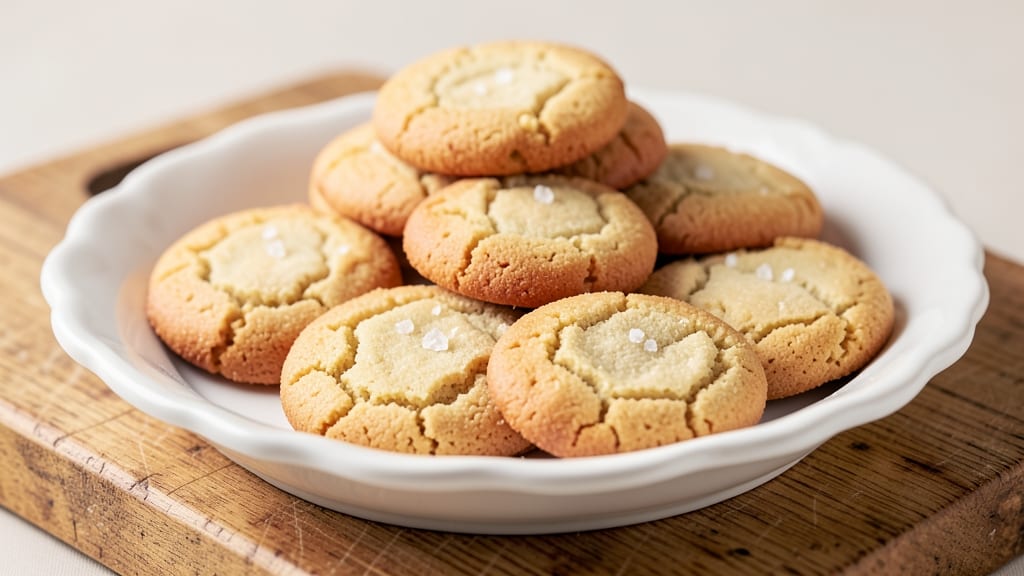
Betty Crocker’s shortbread cookies deliver that perfect golden sand crust and tender vanilla magic we all crave. The secret lies in precise measurements and cold butter—no shortcuts here.
I’ve perfected this recipe over years of baking, ensuring every batch turns out crisp at the edges yet tender inside, with just the right hint of vanilla warmth. This is the classic shortbread experience, elevated for modern kitchens but staying true to tradition.
The beauty of this recipe is its simplicity: just five ingredients transform into delicate, melt-in-your-mouth cookies. The key technique? Chilling the dough before shaping ensures clean edges and prevents spreading. With a 350°F oven and 12-15 minutes of baking, you’ll achieve that signature golden hue without overcooking.
The result is a cookie that crumbles just enough to feel luxurious yet holds together perfectly.
What makes these cookies truly special is their versatility—keep them classic with vanilla, or add lemon zest, crushed pistachios, or a touch of cinnamon for modern twists. The dough’s buttery richness pairs beautifully with tea or coffee, making these ideal for afternoon treats or holiday gifting.
Once you try this method, you’ll never buy store-bought shortbread again.
For best results, use European-style butter (higher fat content) and measure flour precisely—packing it lightly avoids dense cookies. Let the baked cookies cool on the pan for 5 minutes before transferring to a wire rack, preserving their crisp texture.
This is the recipe that brings comfort and nostalgia to every bite, guaranteed.
Ingredients for betty crocker shortbread cookie
Five essential ingredients create Betty Crocker's signature golden shortbread cookies.
| Ingredient | Amount | Notes |
|---|---|---|
| European-Style Unsalted Butter 🧈 | 1 cup | Cold and cubed for proper texture |
| All-Purpose Flour 🌾 | 1 ½ cups | Sifted, packed lightly |
| Pure Vanilla Extract 🍯 | 1 tbsp | High-quality, pure vanilla |
| Granulated Sugar 🍚 | ¼ cup | Fine grain preferred |
| Diamond Crystal Kosher Salt 🧂 | ½ tsp | Fine grain preferred |
The butter is non-negotiable—European-style with 82% fat content delivers that signature melt-in-your-mouth texture. Plugrá or Kerrygold are my go-to brands, but any high-fat butter works. Keep it cold: cut into cubes and chill for at least 30 minutes before mixing. The flour must be sifted and packed lightly—spoon-and-sweep method prevents dense cookies. For best results, use King Arthur or Gold Medal flour, which have consistent protein levels. If you must substitute, cake flour at 1:1 ratio yields a slightly more tender crumb, but traditional shortbread demands all-purpose for that signature crunch.
No vanilla extract? Vanilla bean paste at half the amount provides depth without overpowering. Short on sugar? Confectioners' sugar at a 1:1 swap creates a finer texture, though the flavor profile shifts slightly. The salt is crucial—Diamond Crystal's fine grain dissolves perfectly, but Maldon flaky salt adds elegant texture if you're feeling fancy. For a modern twist, add zest of 1 lemon or 1 tsp cinnamon to the dough. The key technique here is precision: measure flour by weight if possible (1.5 cups = ~7 oz) for consistency across batches.
The dough must rest at least 1 hour in the fridge before rolling—this prevents spreading and ensures clean edges. Wrap tightly in plastic for up to 3 days or freeze for 3 months in a sealed container. Baked cookies stay crisp for 5 days in an airtight tin, though they're best enjoyed within 24 hours. For gifting, package in parchment-lined boxes with a dusting of powdered sugar. The secret to restaurant-quality shortbread? Preheat your oven to 350°F and use a light touch when pressing the dough—never overwork it.
Why You'll Love This Recipe
- Five-Ingredient Magic: I swear by this recipe because it’s that simple—just butter, flour, sugar, vanilla, and salt. No eggs, no fuss, no waiting for complicated dough to rest. That’s right: one bowl, five ingredients, and you’re golden.
- Buttery Bliss: The secret’s in the European-style butter—rich, cool, and cut into the flour until it’s like crumbs hugging tiny butter beads. Bake until the edges are just golden, and you’ve got that signature shortbread crunch with a melt-in-your-mouth center. Honestly, it’s the kind of cookie that makes you pause mid-bite and think, “Wait, is this even real?”
- Holiday or Snack Attack: These cookies are my go-to for holiday gifts (they look fancy, but they’re not), or when I need a quick treat. Dip half in chocolate, sprinkle with flaky salt, or serve plain—they’re versatile enough to handle it all. Between us, I’ve even frozen them for last-minute party favors.
- Lasts All Week: A batch makes about 24 cookies, and they stay crisp for days in an airtight container. I’ll be real: I’ve had them linger on my counter for a solid week, and they’re still the first thing I reach for. Plus, the cost? A fraction of store-bought, and way better. That’s my kind of budget-friendly win.
Step-by-step instructions for Betty Crocker shortbread cookies
Master this classic recipe with precise technique for melt-in-your-mouth texture and golden edges.
Cut and Chill the Butter
Place the 1 cup European-Style Unsalted Butter in the freezer for 15 minutes until firm but still pliable. Using a sharp chef's knife, cut the cold butter into ¼-inch cubes. This precise cubing ensures even distribution throughout the dough and prevents overmixing when combined with the flour.
I like to work quickly here—once the butter is cubed, measure out the 1.5 cups All-Purpose Flour and the 0.25 cup Granulated Sugar into a medium bowl. The cold butter cubes should maintain their shape when pressed gently; if they feel too soft, return them to the freezer for another 5 minutes. This preparation step is critical for achieving that signature shortbread crumb.
Combine Dry Ingredients and Vanilla
In the bowl with the flour and sugar, add the 0.5 tsp Diamond Crystal Kosher Salt and whisk gently to distribute evenly. Create a well in the center of the dry ingredients and add the 1 tbsp Pure Vanilla Extract. Using a fork, gently mix just until the vanilla is absorbed into the flour mixture.
This is where precision matters—don't overmix. You're creating a dry blend that will later incorporate the butter. The vanilla should be evenly distributed but not yet combined with the butter cubes. The mixture should resemble coarse sand with visible flour particles. This step ensures the final texture remains tender rather than developing gluten.
Form the Dough Using the Cold Butter Method
Add the cold butter cubes to the dry mixture and use your fingers to gently work the butter into the flour. Press the cubes into the flour with your fingertips, then rub between your palms to break them down. The goal is to create a dough that resembles coarse crumbs with butter pieces ranging from pea-sized down to fine particles.
Real talk: This step can feel awkward at first—the dough won't come together like traditional cookie dough. That's intentional. The butter should remain visible in places, creating pockets that melt during baking. Work the mixture for 2-3 minutes total, just until the largest butter pieces are broken down. Overworking will develop gluten and ruin the tender texture.
Press and Shape for Perfect Cookies
Turn the dough out onto a lightly floured surface and press it into a 1-inch thick rectangle. Wrap the dough tightly in plastic wrap and chill in the refrigerator for at least 1 hour (or up to 24 hours). This resting period is non-negotiable—it allows the butter to firm up again and prevents the cookies from spreading too much during baking.
When ready to shape, preheat your oven to 325°F. Using a 2½-inch round cutter, press straight down (don't twist) to cut out cookies. Gather the scraps, re-press into a rectangle, and chill for 15 minutes before cutting more. Place cookies 1 inch apart on a parchment-lined baking sheet—they won't spread much, but this spacing ensures even browning.
Bake to Golden Perfection
Bake the shortbread cookies for 12-15 minutes until the edges are golden and the centers look just slightly underbaked. They should feel firm to the touch but not rock-hard. The reason we bake at 325°F instead of higher is to allow the butter to melt slowly, creating that signature shortbread crumb without burning the edges.
Remove the cookies from the oven and let them cool on the baking sheet for 5 minutes before transferring to a wire rack. Here's the thing—shortbread continues to set as it cools, so don't rush this step. The cookies should be golden on top with clean, straight edges. If any cookies spread excessively, your butter wasn't cold enough during shaping. Serve warm for maximum tenderness, or store in an airtight container for up to 5 days—they'll keep beautifully.
Pro Tips For Making Betty Crocker Shortbread Cookie
- Chill the Dough: DESCRIPTION:
- Use Cold Butter: DESCRIPTION:
- Measure Salt Precisely: DESCRIPTION:
- Press, Don’t Roll: DESCRIPTION:
Flavor customization for this betty crocker shortbread cookie
Citrus Zest Twist
Brighten your shortbread with 1 tsp lemon or orange zest mixed into the dry ingredients. The citrus oils infuse the butter beautifully, creating a subtle yet vibrant contrast to the vanilla. I like to use organic Meyer lemons for their natural sweetness—just make sure to remove any bitter white pith.
For extra zing, add ½ tsp grated lemon peel directly to the dough after chilling. 🍋
Nutty Crunch Additions
Fold in ½ cup finely chopped toasted pecans or pistachios when shaping the dough rectangle. The nuts add texture while keeping the delicate shortbread structure intact. For a more elegant presentation, sprinkle toasted hazelnuts on top before baking.
I recommend toasting nuts in a dry skillet over medium-low heat for 5-7 minutes, stirring constantly, until golden and fragrant.
Spiced Variations
Warm up the classic flavor with ½ tsp cinnamon or cardamom mixed into the dry ingredients. The spices complement the vanilla beautifully while adding subtle warmth. For a more exotic twist, try ¼ tsp ground ginger—it enhances the buttery richness without overpowering.
I find that cinnamon works best with citrus zest, creating a perfect holiday-inspired flavor profile.
Sweet Chocolate Infusion
Add 2 oz chopped dark chocolate (70% cocoa) to the dough for a sophisticated twist. Use high-quality chocolate like Valrhona or Ghirardelli for the best flavor. For a marbled effect, press small chocolate chips into the dough before shaping.
The chocolate melts beautifully during baking, creating pockets of rich flavor in every bite.
Herbal Elegance
Incorporate 1 tsp finely chopped fresh rosemary or thyme leaves for an unexpected herbal note. The herbs pair surprisingly well with the buttery richness. I recommend using dried culinary herbs if fresh aren't available—just reduce to ½ tsp since dried herbs are more concentrated.
This variation works beautifully with lemon zest for a sophisticated afternoon tea option.
Salted Caramel Finish
For a decadent twist, drizzle 2 tbsp salted caramel sauce over the cooled cookies. I like to use Trader Joe's salted caramel sauce for its perfect balance of sweet and salty.
For an extra touch, sprinkle with flaky sea salt before the caramel sets. This variation transforms classic shortbread into a luxurious dessert that feels special enough for guests.
Nutrition facts
Frequently asked questions
Why does Betty Crocker shortbread need cold butter?
The cold butter creates pockets that melt during baking, giving those signature crisp edges and tender crumb. If your butter softens too much, the cookies will spread excessively and lose their delicate texture. Always chill the dough for at least 1 hour before shaping to maintain the right consistency.
Can I make these cookies without a cutter?
Roll the chilled dough to ¼-inch thickness and use a glass or clean wine bottle to cut circles. For irregular shapes, gently pinch off pieces and form them into balls before pressing with a fork for a crisscross pattern. The key is to keep the dough cold throughout the process.
How do I fix cookies that spread too much?
Over-spreading happens when butter melts too quickly. Next time, chill the dough longer and bake at 325°F instead of higher heat. For immediate fixes, sprinkle extra flour on the baking sheet before adding cookies, and press them down slightly before baking to flatten. The texture will still be tender, just less delicate.
Can I use salted butter instead of unsalted?
Yes, but reduce the salt in the recipe by ¼ tsp to avoid over-salting. European-style salted butter has less salt than American brands, so always check the label. The salt enhances the buttery flavor, but balance is key for that classic shortbread taste.
How should I store these cookies for maximum freshness?
Keep them in an airtight container at room temperature for up to 5 days. For longer storage, freeze the baked cookies (without cooling first) for up to 3 months. Thaw at room temperature for 10-15 minutes before serving. The key is to prevent moisture exposure, which makes them soft.