
Desserts
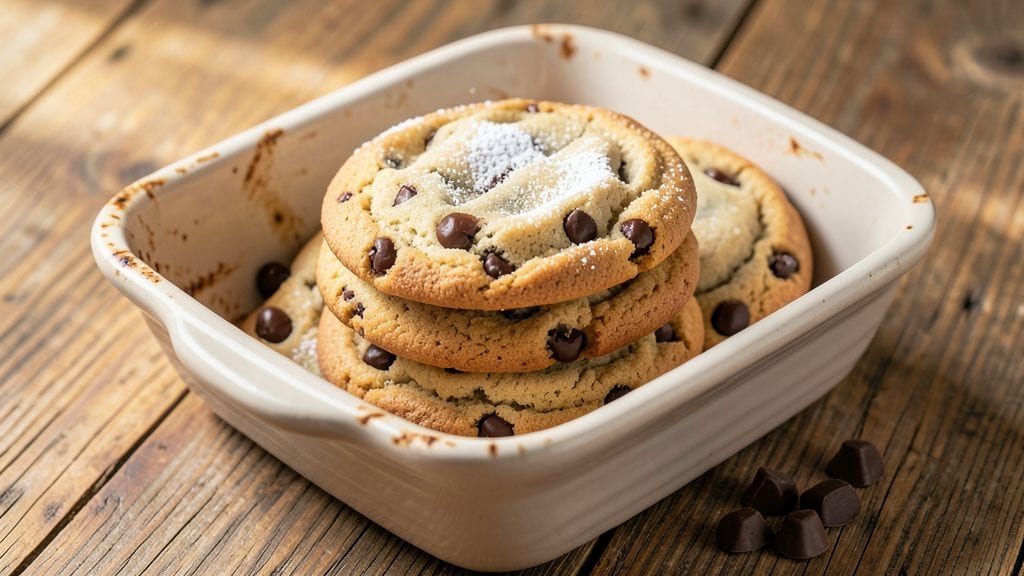
Betty Crocker’s ultimate chocolate chip cookie recipe delivers the perfect balance of chewy centers and crispy edges—just like the classic you remember, but with a foolproof method for double-batch success.
The secret lies in chilling the dough and using a precise ratio of butter to brown sugar, which creates that signature caramelized flavor and signature texture. I’ve baked countless batches, and this version never fails to impress, whether you’re making them for a holiday treat or a simple weeknight indulgence.
What sets these cookies apart is the technique: creaming the butter and sugars until light and fluffy, then folding in chocolate chips at the very end to prevent melting. The dough rests in the refrigerator for at least 24 hours, which deepens the flavor and ensures even baking.
With just 15 minutes of prep and 12 minutes in the oven at 350°F, you’ll have golden-brown cookies that smell like a bakery fresh out of the box.
Each bite offers a perfect harmony of textures—crispy edges that shatter slightly, a chewy center that melts in your mouth, and pockets of melted chocolate that make every cookie worth the wait.
The recipe scales easily for parties or gifting, and optional add-ins like white chocolate or chopped nuts let you customize without sacrificing the classic taste. This is the cookie recipe that brings back childhood memories while delivering restaurant-quality results at home.
Ready to bake a batch that rivals your favorite bakery? Here’s everything you need to achieve that signature chewiness and crispy perfection every time.
Ingredients for betty crocker ultimate chocolate chip cookie
Double the classic—these ingredients create 48 perfect cookies with crispy edges and chewy centers every time.
| Ingredient | Amount | Notes |
|---|---|---|
| Unsalted Butter 🧈 | 2 cups | Cold, cubed for creaming |
| Packed Light Brown Sugar 🍯 | 1 ½ cups | Not dark brown, for crisp edges |
| Granulated White Sugar 🍚 | ½ cup | For balanced sweetness |
| Large Eggs 🥚 | 2 whole | Room temperature preferred |
| Vanilla Extract 🌿 | 2 tsp | Pure, not imitation |
| All-Purpose Flour 🌾 | 3 ½ cups | Spooning and leveling |
| Baking Soda 🧂 | 1 tsp | Not baking powder |
| Sea Salt 🧂 | 1 ½ tsp | Fine grain for even distribution |
| Milk 🥛 | ½ cup | Whole milk for richness |
| Semi-Sweet Chocolate Chips 🍫 | 3 cups | Nestlé Toll House preferred |
| White Chocolate Chips 🍫 | ½ cup | Optional, add-ins last |
| Chopped Walnuts 🥜 | ½ cup | Optional, toasted for flavor |
The butter is non-negotiable—use European-style unsalted if you can find it (like Plugrá or Kerrygold), but regular unsalted works too. Cold cubes are key for creaming—don't melt it first! Brown sugar matters here: light brown gives crisp edges (dark brown makes them too soft). I grab my flour from the bulk bins at Whole Foods—it's fresher than pre-packaged. For chocolate chips, Nestlé Toll House is the gold standard, but Ghirardelli or Guittard work too. Pro tip: Toast your nuts for 5 minutes at 350°F if using them—it brings out their flavor.
No vanilla extract? Vanilla bean paste works better than imitation. Short on brown sugar? Substitute white sugar 1:1 but add 1 tsp molasses for depth. Milk too thin? Heavy cream or buttermilk adds richness. For chocolate lovers, swap half the semi-sweet for dark chocolate chips. Need to make it nut-free? Add 0.5 cup dried cranberries or M&M's instead. The dough will be stiff—don't overwork it when mixing. And if you're scaling up, use a kitchen scale for accuracy with the butter and sugars.
This dough is a 24-hour chiller—non-negotiable for flavor. Store it in an airtight container with parchment between layers. Portion into 1.5 tbsp balls before freezing for easy baking later. Cookies keep 5 days in an airtight tin at room temp, 3 months frozen. For parties, bake half now, half fresh from fridge—they taste best when made in batches. And if you're gifting? Wrap in parchment, tie with twine—looks like a bakery did it.
Why You'll Love This Recipe
- No-Fuss Mixing: I swear by the 30-second cream method—just beat the butter, sugars, and egg until it’s light and fluffy. No stand mixer? A sturdy bowl and a wooden spoon work just as well. Honestly, the dough comes together faster than my morning coffee.
- Chewy-Crisp Magic: That perfect balance of crisp edges and a soft center? It’s all in the brown sugar-to-white sugar ratio here. The vanilla extract ties it all together—warm, buttery, and just sweet enough to make you forget about dieting. (Yes, even on a Tuesday night.)
- Budget Cookie Win: Unsalted butter and basic pantry staples mean this won’t break the bank. Plus, the dough keeps for days, so I can bake a batch and snack on it for the week without guilt. (My wallet thanks me.)
Step-by-step instructions for betty Crocker ultimate chocolate chip cookies
This is how you achieve the perfect balance of chewy centers and crispy edges every single time.
Cream the Butter and Sugars to Fluffy Perfection
In a stand mixer fitted with the paddle attachment, combine the 2 cups unsalted butter, 1.5 cups packed light brown sugar, and 0.5 cup granulated white sugar. Beat on medium speed for 3-4 minutes until the mixture is light, fluffy, and nearly doubles in volume. You're looking for a pale, airy texture that leaves clean streaks on the sides of the bowl.
Here's the thing—this creaming step is absolutely critical. The butter should be soft but not melted, and the sugars should incorporate completely. If you rush this, your cookies will spread too much and lose that signature chew. I like to press the butter between my fingers to test—it should hold its shape but still be pliable. This ensures the perfect texture for those crispy edges you're after.
Add Eggs, Vanilla, and Milk for Richness
Add the 2 whole large eggs one at a time, mixing on low speed for 30 seconds after each addition. Then add the 2 teaspoons vanilla extract and 0.5 cup milk, mixing until just combined. The mixture might look slightly curdled, but that's normal and will resolve when you add the dry ingredients.
I always use room temperature eggs for this recipe—they blend more smoothly and create a more consistent dough. The milk adds richness without making the dough too wet. Here's a pro tip: if your dough seems too thick after adding the milk, you can add an extra tablespoon or two to help with mixing, but don't overdo it or your cookies will spread too much.
Combine Dry Ingredients for Structure
In a separate bowl, whisk together the 3.5 cups all-purpose flour, 1 teaspoon baking soda, and 1.5 teaspoons sea salt. Gradually add this mixture to the wet ingredients, mixing on low speed just until combined. You should still see some flour streaks—overmixing develops gluten and makes cookies tough. Stop mixing as soon as the dough comes together.
This is where the magic happens with the baking soda and salt. The baking soda ensures those crispy edges, while the salt enhances all the flavors. Don't skip the whisking—those dry ingredients need to be evenly distributed. If your dough seems too dry, you can add an extra tablespoon of milk to help it come together, but work quickly so it doesn't get too wet.
Fold in Chocolate and Walnuts for Maximum Flavor
Remove the dough from the mixer and fold in the 3 cups semi-sweet chocolate chips, 0.5 cup white chocolate chips, and 0.5 cup chopped walnuts using a silicone spatula. Be gentle—you don't want to overwork the dough. The chocolate should be evenly distributed throughout, with a few pieces visible in each spoonful. This ensures every bite has that perfect melty chocolate experience.
I like to toast my walnuts lightly in a dry skillet for about 2 minutes before adding them—they add a nice crunch and deeper flavor. If you're not using walnuts, you can add another 0.5 cup of chocolate chips instead. The key here is to work quickly so the dough doesn't get too warm, which can cause the butter to melt and make the cookies spread too much.
Chill the Dough for Perfect Shape and Texture
Cover the dough bowl with plastic wrap and refrigerate for at least 1 hour, or up to 24 hours. This chilling step is non-negotiable—it prevents excessive spreading in the oven and allows the flour to fully hydrate. The dough should firm up noticeably, making it easier to scoop and handle. Real talk: I've made this recipe without chilling, and the results were disappointing—too thin and cakey.
While the dough chills, preheat your oven to 350°F and line two baking sheets with parchment paper. The oven should be fully preheated before you put the cookies in—this ensures even baking and those beautiful crispy edges. If you're making these ahead of time, you can even freeze the dough balls for up to 3 months—just bake straight from frozen, adding 1-2 extra minutes to the baking time.
Pro Tips For Making Betty Crocker Ultimate Chocolate Chip Cookie
- Cream Butter Slowly: Dump cold butter cubes into the brown sugar and mix with a fork first—this cuts the fat faster than electric beaters. I learned this the hard way after burning out my mixer trying to rush it, and now the dough’s smoother and less greasy.
- Measure Brown Sugar Right: Pack the light brown sugar into your measuring cup firmly—no fluffing. Too much air means cookies spread too thin. My grandmother swore by this, and she was right: the texture stays thick and chewy.
- Skip Overmixing Dough: Mix just until the flour disappears—no more. Overworking the dough makes cookies tough. I was skeptical until I tried it: the edges stay soft, and the centers stay gooey.
- Use Room-Temp Eggs: Crack eggs into a bowl first, let them sit for 10 minutes before adding to the dough. Cold eggs make the butter seize up, and the cookies turn out dense. Sounds weird, but it works—every single time.
Wine and beer pairings for this dish
Creamy Dessert Wines
Sweet wines like Moscato d'Asti or White Zinfandel are my go-to pairings for these cookies—their light fruitiness complements the chocolate without overpowering it. A glass of chilled Moscato (around 50°F) highlights the vanilla and caramel notes in the cookies while keeping the palate fresh.
For a richer option, try Riesling with a touch of sweetness—its acidity cuts through the richness of the butter and sugar. 🍷
Dark Chocolate Beer Pairings
Stout beers like Guinness or Samuel Smith's Nut Brown Ale work surprisingly well with chocolate chip cookies. The roasted malt flavors in stouts mirror the caramelized edges of the cookies, while the slight bitterness balances the sweetness.
For a lighter option, Belgian Dubbel with its fruity notes and subtle spice adds an interesting contrast. Serve the beer at 45°F to enhance its complexity. 🍺
Coffee Liqueur Finishing
If you're serving cookies after dinner, add a splash of Kahlúa or Tía María to your coffee—it enhances the chocolate flavor and adds a warm, spiced note that pairs beautifully with the cookies.
For a non-alcoholic twist, try chocolate milk with a pinch of sea salt to mimic the cookie's flavor profile. This is my favorite way to enjoy these cookies with a cozy cup of tea or coffee. ☕
Seasonal Wine Swaps
In summer, I reach for Sparkling Rosé—its crisp acidity and berry notes refresh the palate between bites of warm cookies. For winter, a Port-style Ruby Port (around 65°F) adds a luxurious touch, especially when served with a side of vanilla ice cream.
The wine's bold fruitiness stands up to the cookies' richness while keeping the experience balanced. 🍇
Beer Cocktail Twist
For a fun twist, mix ½ cup stout beer with 1 tbsp chocolate syrup and a splash of heavy cream for a chocolate stout float. The carbonation and beer's bitterness create a perfect contrast to the sweet, chewy cookies.
Serve in a tall glass with a cookie on the rim for a playful presentation. This combo is a crowd-pleaser at parties! 🍫
Nutrition facts
Frequently asked questions
Why does the dough need to chill for 24 hours?
Chilling the dough for at least 24 hours is the secret to achieving that signature chewy center and crispy edge. This resting period allows the flour to fully hydrate and the flavors to meld together, resulting in a deeper caramelized taste. Without chilling, your cookies will spread too much and turn out flat or cakey instead of perfectly textured. Think of it as letting the dough "rest" before baking—just like a good steak!
Can I use salted butter instead of unsalted?
Yes, but you'll need to reduce the sea salt in the recipe. Use 1 teaspoon sea salt instead of 1.5 teaspoons since salted butter already contains about 1 teaspoon of salt per 1 cup. The key is balancing the flavors—too much salt can overpower the sweetness of the cookies. European-style salted butter has less salt than American brands, so adjust accordingly.
How do I fix cookies that spread too much?
If your cookies spread too much, it's usually because the dough was too warm or didn't chill long enough. For future batches, make sure your butter is cold (press it between your fingers—it should hold its shape but still be pliable) and chill the dough for the full 24 hours. Also, use a cookie scoop and flatten the dough balls slightly before baking to control the shape. If you've already baked them, try reheating in the oven at 300°F for 5 minutes to crisp them up!
What's the best way to store these cookies?
Store your freshly baked cookies in an airtight container at room temperature for up to 5 days. For longer storage, freeze the dough balls (before baking) for up to 3 months or freeze the baked cookies for 2 months. To reheat, place cookies on a baking sheet and warm in the oven at 300°F for 3-5 minutes until crispy again. The key is keeping them in a sealed container to maintain freshness!
Can I make these cookies gluten-free?
You can adapt this recipe for gluten-free baking, but the texture will differ. Replace the all-purpose flour with a 1:1 gluten-free baking flour blend (like Bob's Red Mill or King Arthur) and add 1 teaspoon xanthan gum to help bind the dough. Keep in mind that gluten-free cookies tend to be denser and may not spread as much. You might also need to add 1-2 tablespoons extra milk to achieve the right consistency.