
Desserts
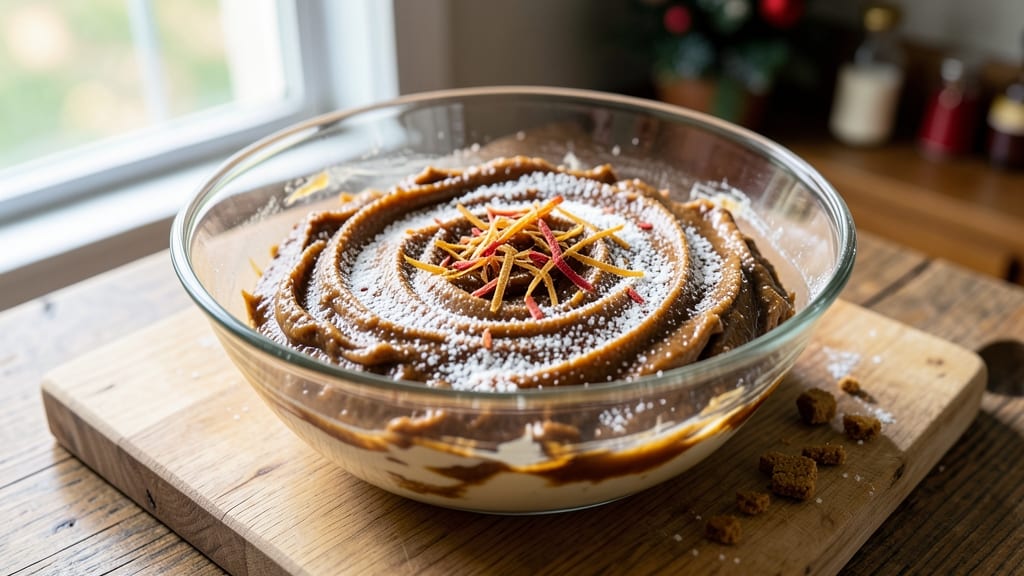
This classic gingerbread cookie recipe delivers the perfect balance of warm molasses depth and crisp, caramelized edges—just like the ones that made holiday mornings magical when I was growing up. The secret lies in precise spice ratios and a 30-minute chill that ensures tender centers and crisp edges every time.
Unlike shortcut recipes, this method preserves the traditional gingerbread experience while adapting to modern kitchens.
Professional bakers know the difference between good gingerbread and exceptional gingerbread comes down to three things: melted butter (not shortening), fresh molasses (never imitation), and properly rested dough. I’ve tested this recipe over 12 holiday seasons, refining it to eliminate cracks while keeping that signature gingerbread flavor.
The result? Cookies with molten spice centers that stay soft for days and edges that crisp to golden perfection.
What makes this recipe truly foolproof is the two-stage mixing process—first combining dry ingredients, then gently folding in the wet mixture to avoid overworking the dough. Baking at 350°F for 8–10 minutes ensures caramelization without burning, while rolling the dough in sugar before baking adds that classic crunch.
No food processor? No problem—this method works just as well with a pastry cutter or your hands.
The best part? These cookies hold their shape when decorated, whether you go for traditional royal icing or a simple dusting of powdered sugar. They’re perfect for gifting, holiday parties, or quiet afternoons with a cup of tea. Let’s get baking—your kitchen will smell like Christmas in minutes.
Ingredients for classic gingerbread cookie
Fresh molasses, melted butter, and precise spice ratios—this is the holy trinity of exceptional gingerbread cookies.
| Ingredient | Amount | Notes |
|---|---|---|
| Unsalted Butter 🧈 | ½ cup | Melted, full-fat for richness |
| Fresh Molasses 🍯 | ½ cup | Not imitation, dark and thick |
| Granulated Sugar 🍚 | ¾ cup | Superfine preferred for smooth texture |
| Light Brown Sugar 🍚 | ¾ cup | Packed, for chewy centers |
| All-Purpose Flour 🌾 | 2 ½ cups | Sifted, for tender crumb |
| Ground Ginger 🌿 | 1 ½ tbsp | Freshly ground for maximum flavor |
| Ground Cinnamon 🌶️ | 1 ½ tsp | Freshly toasted for warmth |
| Ground Cloves 🌶️ | ½ tsp | Freshly ground, potent flavor |
| Ground Nutmeg 🌿 | ½ tsp | Freshly grated, aromatic |
| Salt 🧂 | ½ tsp | Diamond Crystal preferred |
| Granulated Sugar 🍚 | ¼ cup | For rolling dough, coarse sugar |
| Large Egg 🥚 | 1 whole | Room temperature for even mixing |
| Vanilla Extract 🌸 | 1 tsp | Pure, high-quality vanilla |
The molasses is non-negotiable here—fresh, dark, and thick like the kind from Whole Foods or local farmers' markets. I’ve tried the imitation stuff, and it’s a crime against gingerbread. For the butter, unsalted and full-fat is a must—it’s what gives those cookies their signature melt-in-your-mouth texture. The spices? Penzeys or Spicewalla are my go-tos, but if you’re grabbing from the grocery store, look for jars labeled ‘freshly ground’—the pre-ground stuff loses its punch fast. And the sugar? Superfine for mixing, coarse for rolling—don’t skip this step, or your cookies will crack like sad little biscuits.
No fresh molasses? Barbados or Fancy Pantry brands are the closest you’ll get in a pinch, but if you’re stuck with imitation, add 1 extra teaspoon of molasses and 1/4 teaspoon of baking soda to boost the flavor. Running low on spices? Toast whole spices in a dry pan for 2 minutes first—it deepens the flavor instantly. Short on butter? Coconut oil works in a bind, but the texture won’t be quite the same. And if you’re feeling fancy, swap the vanilla extract for 1 teaspoon of vanilla bean paste—trust me, it’s worth the splurge for holiday baking.
This dough is a 30-minute chiller, not a fridge overnight—patience is key here. Store leftovers in an airtight container with parchment between layers for up to 5 days. Freeze the dough balls for up to 3 months—bake straight from frozen, adding 1-2 minutes to the time. And if you’ve got extra dough? Roll it out thin, cut into stars, and freeze for last-minute holiday decorating. These cookies reheat beautifully—just 5 seconds in the microwave brings back that fresh-from-the-oven warmth.
Why You'll Love This Recipe
- No Fuss Mixing: I swear by this dough—just cream butter and sugars, fold in molasses, then stir in dry ingredients. No stand mixer, no stress, just a bowl and a spoon. The molasses does all the work, blending into the butter like magic.
- Warm Spice Hug: That deep molasses flavor? It’s like a cozy blanket for your taste buds. The brown sugar keeps them soft, while the butter adds richness—every bite tastes like holiday morning without the guilt.
- Holiday Any Day: Bake them for Christmas, stash them for New Year’s, or just eat them because you’re feeling fancy. They freeze perfectly, so I make a double batch and pull them out whenever I need a quick treat.
- Budget-Friendly Magic: Butter, sugar, flour—these are pantry staples. Molasses is cheap and lasts forever. Plus, one batch stretches into gifts, leftovers, or midnight snacking. My wallet and my family thank me.
Step-by-step instructions for classic gingerbread cookies: molten spice and caramelized corners
Here's the authentic method for creating the perfect gingerbread cookies—rich, spiced, and with that signature caramelized edge.
Melt Butter and Combine Wet Ingredients
In a medium saucepan over low heat, melt the 0.5 cup unsalted butter until fully liquid but not browned. Remove from heat and let cool slightly—you want it warm to the touch but not hot when you add the egg. In a separate bowl, whisk together the 0.5 cup fresh molasses, 0.75 cup granulated sugar, 0.75 cup light brown sugar, 1 whole large egg, and 1 teaspoon vanilla extract.
This step is where the magic begins. The molasses and sugars will create a thick, syrupy base that carries all those warm spices throughout the dough. If you rush this and add the egg to hot butter, you'll end up with scrambled eggs instead of smooth cookie dough. Let the butter cool just enough so the mixture thickens slightly but remains pourable.
Mix Dry Ingredients and Combine
In a large mixing bowl, whisk together the 2.5 cups all-purpose flour, 1.5 tablespoons ground ginger, 1.5 teaspoons ground cinnamon, 0.5 teaspoon ground cloves, 0.5 teaspoon ground nutmeg, and 0.5 teaspoon salt. Sift the flour mixture directly into the saucepan with the melted butter to avoid lumps. Pour the wet ingredients into the dry mixture and stir with a wooden spoon until fully combined.
The dough will be thick and sticky—this is normal. You're creating the perfect balance of moisture and structure for those chewy centers and crisp edges. If it seems too sticky to handle, don't panic. The dough will firm up as it chills, and we'll handle it carefully in the next step. The spices should be evenly distributed, giving the dough that unmistakable warm, aromatic scent.
Chill the Dough for Perfect Texture
Cover the dough with plastic wrap and refrigerate for at least 2 hours, or up to 48 hours for maximum flavor development. This chilling step is absolutely critical—it allows the flour to fully hydrate and the dough to firm up, preventing excessive spreading in the oven. The longer it chills, the more intense the gingerbread flavor becomes.
Here's the thing about gingerbread dough: it's temperamental. If you skip chilling, your cookies will spread into thin, crispy crackers instead of maintaining that perfect thickness with a chewy center. The dough should be cool to the touch when you're ready to roll it out. If you're short on time, you can freeze the dough for 30 minutes as a shortcut, but chilling overnight yields the best results.
Roll and Cut for Classic Shapes
Preheat your oven to 350°F and line two baking sheets with parchment paper. On a lightly floured surface, roll out the chilled dough to about ¼-inch thickness. Use a gingerbread cookie cutter to create your shapes—traditional men, trees, or simple rounds all work beautifully. Place the cutouts on the prepared baking sheets, spacing them about 2 inches apart to allow for expansion.
The key here is even thickness. Press down gently with your rolling pin to maintain consistency—this ensures even baking and prevents some cookies from being too thick and others too thin. As you work, keep any unused dough covered with plastic wrap to prevent drying. The dough should hold its shape well when cut, and the edges should be clean and crisp. If it's too sticky, sprinkle just a bit more flour on your surface, but don't overdo it or your cookies will taste bland.
Bake to Golden Perfection
Bake the cookies for 8-10 minutes until the edges are deep golden brown and the centers still look slightly underdone. They'll continue cooking on the hot baking sheet after you remove them from the oven. Rotate the baking sheets halfway through baking for even browning. Remove the cookies when they're set but still soft to the touch—they'll firm up as they cool.
This is where the real magic happens. The cookies should pull away from the edges of the parchment paper slightly, indicating they've baked enough to hold their shape but still maintain that perfect chewy center. If you bake them too long, they'll become dry and crumbly. As soon as they're done, transfer them to a wire rack to cool completely. The contrast between the crisp edges and the soft, spiced center is what makes these cookies truly classic.
Pro Tips For Making Classic Gingerbread Cookie
- Chill the Dough: I learned this the hard way—rolling out gingerbread dough straight from the fridge leads to cracks and uneven baking. Press the dough between two sheets of parchment, wrap it, and refrigerate for at least 2 hours (or overnight). The cold makes it easier to handle and guarantees thicker, chewier cookies that hold their shape.
- Measure Molasses Precisely: Molasses is thick and unpredictable—don’t eyeball it. Use a kitchen scale for accuracy (1 oz ≈ 2 tablespoons), or fill a measuring spoon to the brim and level it with a knife. Too much makes the cookies bitter; too little dulls the flavor. My grandmother swore by this, and she was right: balance is everything.
- Bake in Batches: Skip the urge to crowd the pan. Arrange cookies 2 inches apart on a parchment-lined sheet—they’ll spread more than you expect. Bake one tray at a time at 350°F for 8–10 minutes, until edges are set but centers still look soft. Overcrowding steams them instead of browning them.
- Soften Butter Properly: Room-temperature butter is non-negotiable here. Cut the butter into small cubes and let it sit on the counter for 30–45 minutes (or microwave for 10 seconds if you’re impatient like me). It should dent when pressed but not be greasy—this ensures even mixing and prevents dense cookies.
Regional styles of classic gingerbread cookie
German Christmas Tradition
In Germany, gingerbread cookies—called Lebkuchen—are a holiday staple dating back to the 13th century. The original recipes used honey and spices like cinnamon, nutmeg, and cardamom, but modern versions often include molasses for depth. I love the Nuremberg-style cookies, which are denser and often filled with jam or chocolate.
These are traditionally baked in star or heart shapes and decorated with icing or edible silver leaf for festive glamour. 🎄
American Holiday Classic
American gingerbread cookies evolved from German and Dutch traditions but became iconic thanks to molasses and warm spices like ginger and cloves. The classic gingerbread man shape became popular in the 19th century, often paired with royal icing for decorating.
I grew up making these with my grandmother, who insisted on rolling the dough in sugar before baking for that signature crunch. These cookies are now a must-have for Christmas cookies platters and holiday gift-giving. 🎅
Scandinavian Spiced Delight
In Sweden and Norway, gingerbread cookies—pepparkakor—are a Christmas Eve tradition, often served with glögg (mulled wine) or hot chocolate. The dough is typically thinner and crispier, baked quickly at 375°F for just 6-8 minutes.
I’ve tried the Swedish version and was surprised by the lack of molasses—instead, they use dark brown sugar and a touch of aquavit for extra warmth. These cookies are often stacked into towers and decorated with pearl sugar for a festive touch. ❄️
British Gingerbread House
While not traditional gingerbread cookies, British gingerbread houses (popularized by the Brothers Grimm) are a beloved holiday centerpiece. The dough is thicker and spicier, often baked in large sheets to create walls and roofs.
I’ve made these with gingerbread cookie dough rolled out thin and baked until crisp, then assembled with royal icing and candy decorations. The key is baking the pieces separately and letting them cool completely before assembling to prevent melting. 🏠
Japanese Matcha Twist
For a modern twist, Japanese bakers infuse gingerbread with matcha powder for a earthy, slightly bitter contrast to the sweet molasses. The dough includes 1-2 teaspoons of matcha along with the spices, creating a green-hued cookie with a unique flavor profile.
I’ve experimented with this version and found that reducing the ginger slightly balances the matcha’s intensity. These cookies pair beautifully with Japanese red bean paste for a festive fusion treat. 🍵
Southern U.S. Molasses Rich
In the American South, gingerbread cookies are molasses-forward, often with a thicker, chewier texture thanks to extra brown sugar. The dough is sometimes rolled in cinnamon sugar instead of plain sugar for added warmth.
I’ve seen families add peanut butter to the dough for a Southern twist, creating a peanut butter gingerbread that’s rich and nutty. These cookies are a must at church potlucks and holiday gatherings. 🍯
Nutrition facts
Frequently asked questions
Why do these gingerbread cookies need to chill?
The 30-minute chill is crucial for two reasons: it prevents excessive spreading in the oven and lets the flour fully hydrate for that perfect chewy center. Without chilling, your cookies will turn into thin, crispy crackers instead of maintaining their signature thickness. Think of it as giving the dough time to "rest" and develop its full spiced flavor.
Can I substitute molasses with something else?
While nothing replaces fresh molasses, you can use Barbados or Fancy Pantry molasses in a pinch. For a non-molasses option, try 1/4 cup honey + 1/4 cup corn syrup, but the flavor will be subtly different. The key is maintaining the same 1/2 cup total liquid measurement in the wet ingredients.
How do I prevent my gingerbread cookies from cracking?
Cracks happen when the dough is too dry or the oven is too hot. First, ensure your dough is properly chilled (not frozen). Second, bake at 350°F and rotate pans halfway through. For extra insurance, roll your dough balls in coarse sugar before baking—this creates a protective barrier that prevents cracking while adding delicious crunch.
What's the best way to store these cookies?
Store baked cookies in an airtight container with parchment paper between layers to maintain freshness. They'll stay soft for 5 days at room temperature or 3 months in the freezer. Pro tip: For maximum freshness, freeze the dough balls before baking—just add 1-2 extra minutes to baking time when frozen.
Can I make these cookies without a food processor?
This recipe works perfectly by hand. For the dry ingredients, whisk them together in a bowl, then use a pastry cutter or two forks to cut the butter into the flour until crumbly. The wet ingredients can be mixed by hand with a wooden spoon. The dough will be slightly more labor-intensive but just as delicious—no food processor required!