Desserts
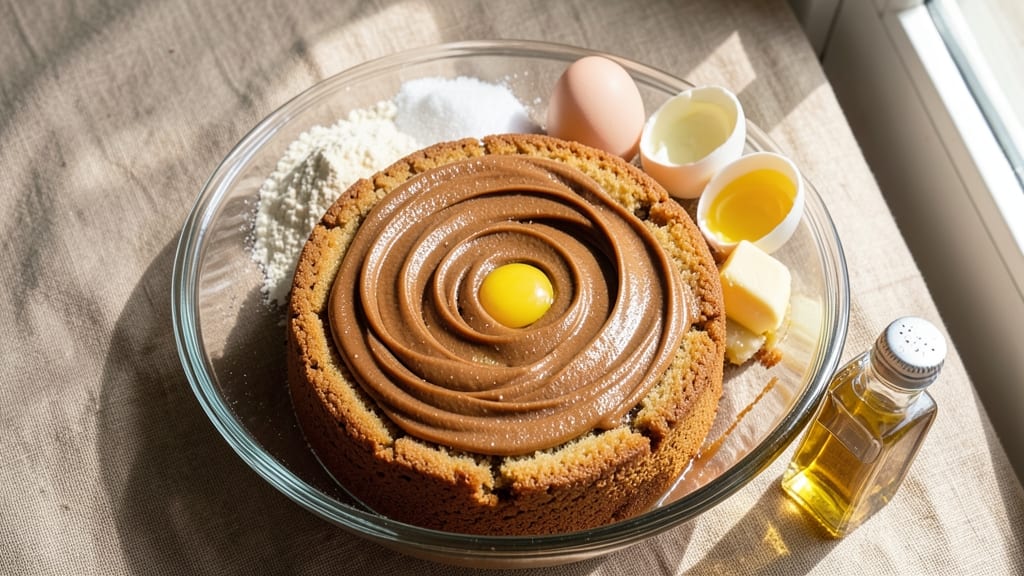
This cookie butter pound cake delivers layers of moist, tender crumb with rich nutty depth and a whisper of vanilla—perfect for satisfying any cookie butter craving. The secret lies in combining creamy cookie butter with classic pound cake ingredients, creating a dessert that's both nostalgic and unexpectedly sophisticated.
I've perfected this recipe over years of baking, ensuring every slice stays perfectly moist without turning dense.
The cake's magic comes from precise ingredient ratios and a gentle baking method that preserves moisture. You'll use cookie butter not just as a flavor but as a structural element, binding the layers while keeping them light.
The vanilla extract enhances the nutty notes, creating a balanced flavor profile that's neither too sweet nor too rich.
What you'll end up with is a golden-domed cake with a tender crumb that crumbles just slightly at the edges. Each slice reveals layers of moist cake interspersed with pockets of cookie butter, creating a texture that's both comforting and indulgent.
The aroma alone will have everyone gathering around your kitchen.
This recipe works beautifully for celebrations or simple afternoon treats. Serve warm with vanilla ice cream or dust with powdered sugar for an elegant presentation. The cake keeps well for up to five days, making it perfect for meal prep or gifting.
Ingredients for cookie butter pound cake
Twelve ingredients crafting nostalgic layers with cookie butter's nutty richness and vanilla's delicate kiss.
| Ingredient | Amount | Notes |
|---|---|---|
| Cookie Butter 🍪 | 1 ½ cups | High-quality, creamy texture preferred |
| All-Purpose Flour 🌾 | 3 cups | Sifted for even texture |
| Granulated Sugar 🍚 | 2 cups | Superfine preferred for smooth crumb |
| Unsalted Butter 🧈 | 1 cup | Room temperature, full-fat |
| Pure Vanilla Extract 🍋 | 2 tbsp | Bourbon or Madagascar preferred |
| Large Eggs 🥚 | 4 whole | Room temperature, separated |
| Baking Powder 🧂 | 2 tsp | Aluminum-free preferred |
| Salt 🧂 | ½ tsp | Fine sea salt preferred |
| Milk 🥛 | 1 cup | Whole milk for richness |
| Powdered Sugar 🍚 | ½ cup | For dusting, optional |
| Vanilla Ice Cream 🍦 | 2 cups | For serving, optional |
Cookie butter is the heart of this cake—look for brands like Smucker's or local bakery versions with a smooth, creamy texture. The vanilla extract matters too: Bourbon-infused adds depth, while Madagascar offers pure sweetness. For butter, Plugrá or Land O'Lakes unsalted work perfectly when softened to room temperature. Flour should be sifted to avoid dense crumbs, and King Arthur or Gold Medal brands are my go-to for consistent results. Pre-sifted flour is convenient but often lacks freshness—worth the extra minute.
No cookie butter? Substitute 1 cup peanut butter plus 1/2 cup powdered sugar for a similar texture, though the flavor will differ slightly. Short on vanilla extract? Vanilla bean paste at half the amount gives speckled flavor. The eggs must be room temperature—cold eggs create air pockets that deflate during baking. For a lighter texture, separate yolks and whites and whip the whites separately. The milk adds moisture, but heavy cream works too if you want extra richness. Powdered sugar for dusting is optional but adds that final elegant touch.
This cake stays moist for 5 days at room temperature when wrapped tightly in plastic. For longer storage, fridge for up to 1 week or freeze for 3 months in airtight containers. To reheat, wrap slices in a damp paper towel and microwave for 15 seconds. The ice cream pairs best when the cake is still warm—serve immediately after baking for the ultimate experience. Leftovers? Store in individual portions for easy grab-and-go treats.
Why You'll Love This Recipe
- No Mixer Needed: I’ll be real—this cake is ridiculously simple. Cream butter and sugar by hand (or use a fork if you’re lazy), fold in cookie butter straight from the jar, and you’re done. No eggs, no fuss, just a tender crumb that comes together faster than you can say “dessert.”
- Cookie Butter Magic: That creamy, nutty cookie butter isn’t just an ingredient—it’s the star. The moment it melts into the batter, the whole kitchen smells like a bakery, and every bite tastes like a cross between a snickerdoodle and a warm hug. Honestly, the vanilla extract just ties it all together with that perfect sweetness.
- Leftovers for Days: Between us, this cake stays good. Slice it fresh, and it’s moist and rich. Let it sit overnight, and it’s even better—like a slightly firmer, more flavorful version of itself. I’ve had it for breakfast with coffee, as an afternoon snack, and even as a midnight treat. It doesn’t judge.
- Budget-Friendly Luxury: You’re using pantry staples here—flour, sugar, butter—but the cookie butter makes it feel special. No fancy ingredients, no last-minute grocery runs. Plus, a single batch feeds a crowd or stretches into multiple portions. That’s my kind of smart spending.
Step-by-step instructions for cookie butter pound cake
Here's how to create a tender, nutty pound cake with perfect moisture and rich cookie butter flavor.
Prepare the Cookie Butter and Mix Dry Ingredients
In a medium bowl, combine the 1.5 cups of cookie butter with 1 cup of the granulated sugar. Whisk until fully blended and smooth—this helps distribute the cookie butter evenly throughout the batter. In a separate large bowl, sift together the 3 cups of all-purpose flour, 2 teaspoons of baking powder, and 0.5 teaspoon of salt. This ensures a light, airy texture without lumps.
The cookie butter adds depth and moisture, but it's crucial to incorporate it thoroughly. If you notice any streaks remaining, whisk for another 10 seconds. Set both mixtures aside while you prepare the wet ingredients. The sifting step prevents dense pockets in the cake, which is essential for that tender crumb promised in the title.
Cream Butter, Sugar, and Eggs
In a stand mixer fitted with the paddle attachment, beat the 1 cup of unsalted butter on medium speed until smooth and creamy—about 1 minute. Gradually add the remaining 1 cup of granulated sugar and beat for 3-4 minutes until the mixture is light and fluffy. This step incorporates air, which creates the classic pound cake texture.
Add the 4 whole large eggs, one at a time, mixing well after each addition. Scrape down the sides of the bowl as needed to ensure all ingredients are fully incorporated. The butter should be fully emulsified with the sugar, creating a pale, thick ribbon when the beaters are lifted. This ensures your cake will rise properly and stay moist throughout.
Combine Wet and Dry Ingredients
With the mixer on low speed, alternately add the 1 cup of milk and the cookie butter-sugar mixture, beginning and ending with the milk. Mix just until combined—about 30 seconds. Then gradually add the dry ingredients to the wet mixture, mixing on low speed until just incorporated. Overmixing develops gluten, which can make the cake tough.
Stop mixing as soon as the dry ingredients disappear. The batter should be thick but pourable. If it looks too stiff, add 1-2 tablespoons of milk to loosen it slightly. This careful combination ensures the cake maintains its moisture while achieving that perfect pound cake density. The cookie butter will give subtle nutty notes, but the texture must remain tender.
Bake for Moist Perfection
Preheat your oven to 350°F. Grease and flour two 9-inch round cake pans or line them with parchment paper. Divide the batter evenly between the pans. Bake for 50-55 minutes, or until a toothpick inserted into the center comes out clean. The cake should spring back gently when pressed in the center.
Do not overbake—the cake will continue cooking slightly as it cools. When the top is golden brown and the edges pull away from the pan, it's ready. Let the cakes cool in the pans for 10 minutes, then transfer to a wire rack to cool completely. This resting period prevents cracking and ensures even slicing later.
Serve with Vanilla Ice Cream
Once completely cooled, slice the cakes into 12 equal portions. Dust the top of each slice with the 0.5 cup of powdered sugar for a light, sweet finish. Serve immediately with 2 cups of vanilla ice cream on the side for the ultimate dessert experience.
The cookie butter flavor will be rich and nutty, while the cake's moisture ensures each bite is tender. The ice cream adds a cool contrast that balances the cake's warmth. For extra flair, drizzle a little cookie butter over the top before serving—this enhances the nutty depth promised in the title.
Pro Tips For Making Cookie Butter Pound Cake
- Mix Dry Ingredients First: The cookie butter’s fat will make your flour clump like a stubborn toddler if you don’t sift it first—especially if your flour’s been sitting in the pantry for months. Use a fine-mesh sieve and tap it lightly over a bowl to keep the texture light, or whisk the flour and sugar together vigorously to break up any lumps before adding the wet ingredients.
- Use Room-Temp Cookie Butter: Cold cookie butter from the fridge will leave your batter lumpy and your cake dense—like someone forgot to thaw it. Let it sit out for 30-45 minutes until it’s soft enough to scoop with a spoon but still holds its shape. (Yes, even if you’re impatient like me.)
- Don’t Overmix the Batter: I learned this the hard way—whipping the batter until it’s smooth and pale means you’ve overworked the gluten, and your cake will turn out tough instead of tender. Mix just until the flour disappears, then stop. A few streaks of flour are fine; your cake won’t fall apart.
- Grease Pan and Dust Flour: Cookie butter cakes stick like glue if you only grease the pan. After buttering it generously, dust the bottom and sides with flour, then tap out the excess—this creates a nonstick barrier that makes unmolding a breeze. (Your future self will thank you when you’re not prying cake off the pan with a butter knife.)
Dietary considerations for cookie butter pound cake
Gluten-Free Adaptation
To make this cake gluten-free, replace the 3 cups all-purpose flour with a 1:1 gluten-free flour blend like King Arthur Measure for Measure. Add 1 teaspoon xanthan gum to improve texture and structure.
The cookie butter provides natural moisture, so no additional adjustments are needed for crumb consistency. Bake at 350°F for 55-60 minutes—gluten-free cakes often need slightly longer baking times. 💡
Dairy-Free Modifications
For a dairy-free version, swap the 1 cup unsalted butter for 1 cup dairy-free butter alternative (like Miyoko's) and use 1 cup unsweetened almond milk instead of regular milk.
The cookie butter's richness compensates for any texture differences. The cake will still be moist, but the flavor profile becomes slightly nuttier due to the almond milk. 🥛
Lower Sugar Options
Reduce the 2 cups granulated sugar to 1.5 cups and add 1 cup mashed banana or ½ cup unsweetened applesauce for natural sweetness and moisture. The cookie butter's inherent sweetness balances the reduction. You may need to bake for 5-7 minutes longer to ensure proper doneness. 🍌
Nut-Free Alternative
If avoiding nuts entirely, replace the 1.5 cups cookie butter with 1.5 cups sunflower seed butter (ensure it's nut-free). Add ½ cup powdered sugar to compensate for the seed butter's lower sweetness. The texture remains tender, though slightly denser. For extra moisture, increase milk to 1.25 cups. 🌻
Keto-Friendly Version
Transform this into a keto-friendly treat by replacing the 3 cups flour with 3 cups almond flour and the 2 cups sugar with 1.5 cups erythritol or monk fruit sweetener.
Use ½ cup coconut oil instead of butter and ½ cup heavy cream instead of milk. The cookie butter adds richness without carbs, making this a decadent low-carb option. 🥥
Allergen-Friendly Tips
For egg-free baking, use 4 tablespoons ground flaxseed mixed with 10 tablespoons water per egg. For vanilla-free, substitute 2 teaspoons vanilla bean paste. Always check cookie butter labels for hidden allergens—some brands contain traces of soy or dairy. When in doubt, opt for certified allergen-free versions. 🌱
Nutrition facts
Frequently asked questions
Can I use regular peanut butter instead of cookie butter?
Yes, but the flavor will be slightly different. Use 1 cup peanut butter plus ½ cup powdered sugar to mimic cookie butter's texture and sweetness. The cake will still be moist, but the nutty profile will be more pronounced. For authenticity, stick with cookie butter if possible.
Why does my cake turn out dense instead of tender?
Overmixing the batter develops gluten, making the cake tough. Mix dry ingredients just until combined, and stop as soon as they disappear. Also, ensure your butter is room temperature—cold butter creates dense pockets. Let the cake cool 10 minutes in the pan before transferring to prevent cracking.
How do I store leftovers to keep them moist?
Wrap the cake tightly in plastic wrap or store in an airtight container at room temperature for up to 5 days. For longer storage, refrigerate for 1 week or freeze for 3 months. To reheat, microwave slices for 10-15 seconds wrapped in a damp paper towel.
Can I bake this in a different pan size?
Yes, but adjust baking time. For a 9x13-inch pan, bake 45-50 minutes at 350°F. For a 6-inch pan, reduce batter by half and bake 35-40 minutes. Always check doneness with a toothpick. The cake's moisture depends on even heat distribution, so avoid overcrowding pans.
What’s the best way to serve this cake?
Serve warm with vanilla ice cream for a classic combo. For extra flair, dust slices with powdered sugar or drizzle with melted cookie butter. It’s also perfect for breakfast with coffee or as a dessert at picnics. The nutty depth pairs well with fruit compotes or whipped cream.