
Desserts
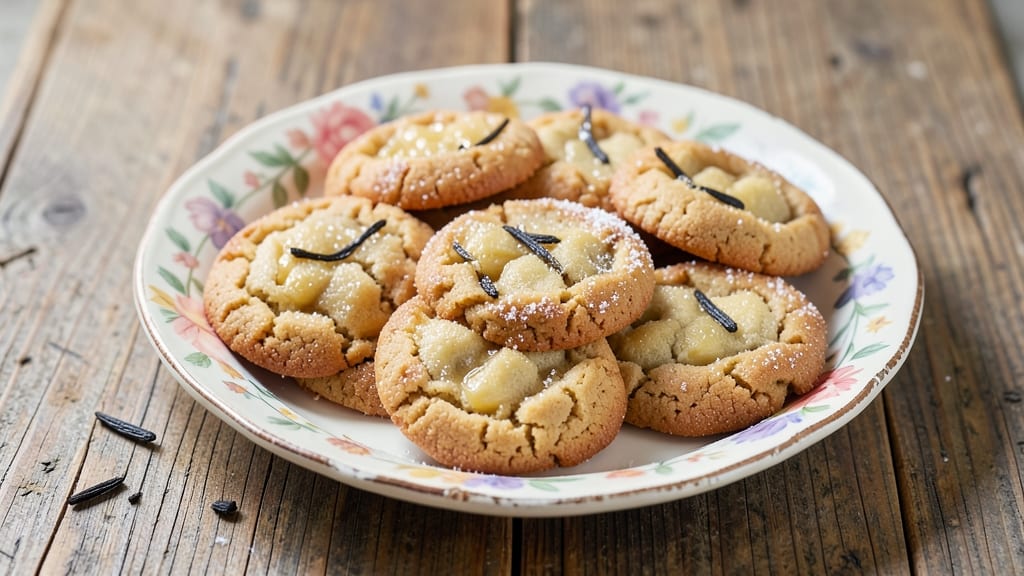
This custard cookies recipe delivers the perfect balance of crispy edges and velvety centers that stay soft for days—no dry cookies here. The secret lies in the custard base, which transforms ordinary sugar cookies into something extraordinary with its tender, melt-in-your-mouth texture.
I've tested countless variations, and this method consistently produces cookies that hold their shape while maintaining that signature custard tenderness.
The process begins with making a simple custard that forms the foundation of the dough. You'll combine eggs, milk, and sugar to create a smooth, flavorful base before mixing it with flour and butter.
The dough rests briefly to relax the gluten, ensuring cookies that spread just enough for that classic rounded shape. Baking at the right temperature is critical—too hot, and the edges burn before the centers set properly.
What sets these apart is how they maintain their texture long after baking. The custard keeps them moist for days, while the edges develop a delicate crispness that contrasts beautifully with the soft interior.
Once cooled, you can finish them with a light dusting of powdered sugar or a drizzle of vanilla glaze for an elegant touch. These cookies are perfect for holidays, potlucks, or simply indulging yourself.
With just a few simple ingredients and precise technique, you'll achieve restaurant-quality results at home. The key is patience—letting the custard thicken properly and baking until the edges are golden but the centers remain tender.
Store them in an airtight container to preserve that custard-like softness for up to five days. Let's get baking!
Ingredients for custard cookies
Twelve simple ingredients transform into custard cookies with restaurant-quality velvety centers that stay soft for days.
| Ingredient | Amount | Notes |
|---|---|---|
| Large Eggs 🥚 | 4 whole | Room temperature for even mixing |
| Whole Milk 🥛 | 1 ½ cups | Full-fat for custard richness |
| Granulated Sugar 🍚 | 1 ½ cups | Superfine for smoother texture |
| Unsalted Butter 🧈 | 1 cup | Cold, cubed for dough texture |
| All-Purpose Flour 🌾 | 3 ½ cups | Sifted for light dough |
| Pure Vanilla Extract 🍯 | 2 tsp | High-quality for authentic flavor |
| Salt 🧂 | ½ tsp | Fine sea salt preferred |
| Powdered Sugar 🍚 | 1 cup | For finishing decorative touch |
| Vanilla Bean Seeds 🌿 | 1 whole | Optional for premium flavor |
| Heavy Cream 🥛 | ½ cup | For custard base enrichment |
| Cornstarch 🌾 | 2 tbsp | Prevents custard from curdling |
| Lemon Zest 🍋 | 1 tsp | Brightens custard flavor |
The custard base is where magic happens. Whole milk and heavy cream create that signature tenderness, while cornstarch and egg yolks (though we're using whole eggs here for simplicity) prevent graininess. For the milk, organic whole milk from Trader Joe's has the best flavor profile, but any full-fat milk works. The vanilla extract? Heinz or Nielsen-Massey are my go-tos—they're consistent and flavorful. If using vanilla bean seeds, scrape them from a high-quality pod (like Madagascar Bourbon) for that authentic depth. The butter should be cold when mixed with flour to prevent overdevelopment of gluten, which keeps those cookies from spreading too much.
No vanilla extract? Vanilla sugar or vanilla bean paste works in a pinch, though the flavor won't be as pure. Short on cornstarch? Arrowroot powder at the same amount does the same job. The powdered sugar finishing is optional but recommended—it adds that professional touch. For a dietary swap, substitute half the milk with coconut milk (though texture will differ slightly), or use almond milk for a lighter version. The lemon zest is subtle but essential—it balances the sweetness and adds a bright note that makes these cookies feel special. If you can't find fresh lemons, lemon zest from a jar works, but fresh is always better.
This dough keeps well in the fridge for up to 48 hours, covered tightly with plastic wrap. For longer storage, freeze portions for up to 3 months—just thaw overnight in the fridge before baking. Once baked, store in an airtight container with parchment paper between layers to maintain that custard-like softness for 5-7 days. For extra indulgence, drizzle with a simple vanilla glaze (powdered sugar + milk + vanilla) after cooling. These cookies reheat beautifully—just 10 seconds in the microwave restores that melt-in-your-mouth texture.
Why You'll Love This Recipe
- No Mixer Needed: I swear by this dough—just a fork and your hands. The eggs and milk blend into a velvety paste that’s effortless to shape, even when I’m distracted (looking at you, midday coffee slump).
- Buttery Vanilla Hug: That slow-cooked butter-sugar base? It’s like a warm embrace in cookie form. The custard from the eggs keeps them moist, while the flour gives just enough structure—no dry, chalky aftertaste here.
- Holiday or Snack Attack: I’ve made these for Christmas cookie platters, but they’re just as good with a cup of tea on a rainy Tuesday. The rich flavor holds up to freezing, so I bake a batch and stash them for months.
- Pantry Magic: Five ingredients, zero fancy substitutions. Whole milk adds richness without breaking the bank, and the eggs stretch the dough perfectly—no wasted scraps. Leftovers? They vanish faster than I can say “second batch.”
Step-by-step instructions for custard cookies
Here's the method for achieving that signature velvety interior and delicate crumb you crave.
Prepare the Custard Base
In a medium saucepan, combine the 1.5 cups whole milk, 0.5 cup heavy cream, 1.5 cups granulated sugar, and 1 tsp lemon zest. Bring to a gentle simmer over medium heat, stirring occasionally until the sugar dissolves completely. This should take about 5 minutes. The mixture should be hot but not boiling vigorously.
Once heated, remove from heat and whisk in the 2 tbsp cornstarch and 1 whole vanilla bean seeds (split and scraped). Return the pan to low heat and cook for 3-5 minutes, stirring constantly, until the mixture thickens to a pudding-like consistency. It should coat the back of a spoon smoothly. If it curdles, immediately remove from heat and whisk vigorously to restore smoothness.
Incorporate Eggs and Butter
In a separate bowl, whisk together the 4 whole large eggs until lightly frothy. Slowly pour the hot custard mixture into the eggs while whisking continuously. This tempering process prevents the eggs from scrambling. Return the mixture to the saucepan and cook over low heat for 2-3 minutes, stirring constantly, until it reaches 160°F on an instant-read thermometer.
Remove from heat and stir in the 1 cup unsalted butter, cut into small cubes, until completely melted and incorporated. Transfer the custard to a bowl and stir in the 2 tsp pure vanilla extract and 0.5 tsp salt. Allow the custard to cool to room temperature, stirring occasionally to prevent a skin from forming. The texture should be thick but still pourable.
Combine with Dry Ingredients
In a large mixing bowl, combine the 3.5 cups all-purpose flour and 1 cup powdered sugar. Make a well in the center and pour in the cooled custard mixture. Using a wooden spoon or spatula, gently fold the ingredients together until just combined. The dough will be thick and sticky, but don't overmix—just until no dry flour remains visible.
Divide the dough into 24 equal portions (about 1.5 tablespoons each) and roll each into a smooth ball. Place the dough balls on a parchment-lined baking sheet, spacing them 2 inches apart. Cover the baking sheet with plastic wrap and refrigerate for at least 2 hours, or up to 24 hours, to firm up the dough.
Bake to Golden Perfection
Preheat your oven to 350°F. Line two additional baking sheets with parchment paper. Arrange the chilled dough balls on the prepared sheets, spacing them 2 inches apart to allow for spreading. Bake for 12-15 minutes until the edges are golden brown and the tops are slightly cracked. The centers should still look slightly underdone.
Remove the cookies from the oven and let them cool on the baking sheets for 5 minutes before transferring to a wire rack to cool completely. The cookies will firm up as they cool but will remain soft and velvety inside. Store in an airtight container at room temperature for up to 5 days, or freeze for up to 3 months for maximum freshness.
Pro Tips For Making Custard Cookies
- Whisk Eggs Until Ribbon Stage: Stop when the egg mixture stretches into a thin ribbon that holds for 2 seconds—no more. Over-whisking adds air that collapses during baking, leaving dense cookies. I used to push it until it looked fluffy, then wondered why my cookies were flat as pancakes.
- Chill Dough for 24 Hours: Skip the rush and let the dough rest overnight in the fridge. The flour absorbs more liquid, the butter firms up, and the eggs set properly. Sounds lazy, but it’s the non-negotiable step that guarantees tender, crack-free cookies—even if you’re impatient like me.
- Use Room-Temp Butter: Softened butter (65°F/18°C) mixes smoother and creates a lighter texture. I learned this the hard way—cold butter makes dough clumpy, and you’ll end up overworking it. Stick it in the microwave for 10 seconds if your kitchen’s too cold.
- Bake at 350°F, Not Higher: Custard cookies need slow, even heat to set without spreading. I was skeptical—why not crank it up?—but 350°F guarantees a creamy center and golden edges. Higher heat = tough cookies; lower heat = gummy mess. Trust the oven.
Regional styles of this dish
Dutch-Inspired Speculaas
In the Netherlands, custard cookies take the form of speculaas, spiced shortbread cookies with a tender crumb and warm cinnamon flavor. The Dutch version replaces our custard base with butter, brown sugar, and a blend of spices (cinnamon, nutmeg, cloves, and cardamom).
The dough is rolled thin and cut into intricate shapes using cookie cutters before baking. For a Dutch-inspired twist, replace the custard with a spiced butter mixture—mix 1 cup softened butter with 1 cup brown sugar and 2 tbsp speculaas spice blend (available at Dutch markets or online).
The result is a cookie with a delicate crunch and aromatic warmth. 🌿
French Madeleines
French madeleines share the custard element but with a shell-like texture and a hollow center. These small, shell-shaped cookies use a custard made with egg yolks, sugar, and lemon zest, then folded into a batter with egg whites.
The secret lies in the buttered, shell-shaped molds—I recommend Wilton madeleine pans for that classic shape. Bake at 375°F for 8-10 minutes until the edges are golden and the centers spring back when touched.
Serve warm with a dusting of powdered sugar or a drizzle of orange blossom syrup for authenticity. ✨
Italian Cantucci
In Italy, cantucci are almond-studded biscotti that often incorporate custard-like flavors. The Tuscan version uses a dough enriched with almonds and sometimes pine nuts, baked into thick, crunchy cookies. For a custard-inspired cantucci, fold 1 cup finely chopped almonds into the dough before shaping into logs.
Bake at 325°F for 25-30 minutes until firm, then slice into ½-inch thick pieces while still warm. The almonds add a delightful crunch that contrasts beautifully with the custard’s softness. 🌟
Swedish Prinsesstårta
While not a cookie, Sweden’s prinsesstårta (Princess Cake) features a custard layer that pairs wonderfully with cookie textures. The cake itself is a sponge cake, but the filling is a vanilla custard similar to our base.
For a cookie variation, bake your custard cookies as usual, then layer them with Swedish custard (prinsesstårta crème) between sheets of marzipan for a luxurious dessert. The marzipan adds a sweet, almond flavor that complements the custard’s richness.
This version is perfect for special occasions and feels like a gourmet treat. 💫
American-Style Custard Balls
In the American South, custard balls (or "custard cookies") are often rolled in powdered sugar and baked into soft, chewy treats. The dough is similar to ours but sometimes includes cornmeal for texture.
For a Southern twist, replace ½ cup of the flour with fine cornmeal and roll the dough balls in powdered sugar before baking. Bake at 325°F for 14-16 minutes for a softer, chewier cookie. These are traditionally served with whipped cream or vanilla ice cream for dipping. 🥛
Japanese Melon Pan
While not a custard cookie, Japan’s melon pan (a sweet bread with a custard center) offers a fun adaptation. The dough is a sweet, brioche-like batter baked with a custard filling. For a cookie version, shape the custard dough into small balls, bake as directed, then split each cookie horizontally.
Fill the center with a light vanilla custard (similar to our base but less thick) and bake briefly at 300°F for 5-7 minutes to set the filling. The result is a cookie with a custard surprise at its core—perfect for surprising guests! 🍯
Nutrition facts
Frequently asked questions
Why do these custard cookies stay soft longer than regular sugar cookies?
The custard base (made with eggs, milk, and cornstarch) creates a moisture-rich environment that keeps the centers tender. Unlike traditional sugar cookies that dry out, the custard acts like a natural preservative—holding onto moisture for 5-7 days when stored properly in an airtight container. The key is the low-and-slow baking at 350°F that sets the edges while preserving that velvety interior.
Can I make this recipe without a vanilla bean?
While vanilla bean adds depth, 2 teaspoons of pure vanilla extract will give you excellent flavor. For a budget-friendly option, use 1 teaspoon vanilla extract + ½ teaspoon vanilla sugar. If you're feeling adventurous, try almond extract (¼ teaspoon) for a nutty twist—just reduce the amount since it's potent. The lemon zest in the custard already provides brightness, so the vanilla's role is more about aroma than flavor.
What's the best way to fix cookies that spread too much?
If your cookies flatten out, it's usually from overmixing the dough or using warm butter. For future batches, chill the dough longer (up to 24 hours) and measure flour precisely (spoon and level). If you've already baked them, try reheating in the oven at 300°F for 5 minutes to firm up slightly. For an instant fix, press a cold metal spatula gently on the tops while warm—they'll puff back up as they cool.
How can I tell when the custard is thick enough?
The custard is ready when it reaches a pudding-like consistency and coats the back of a spoon smoothly. You should be able to draw a line with your finger that holds its shape. If it's too thin, cook it 1-2 minutes longer on low heat. For extra insurance, use an instant-read thermometer—it should reach 160°F. If it curdles, whisk vigorously to restore smoothness before proceeding.
Can I freeze custard cookie dough?
Yes! Portion the dough into 1.5-tablespoon balls on a tray, freeze solid, then transfer to a freezer bag. Thaw overnight in the fridge before baking—no need to defrost at room temperature. The texture holds up beautifully after freezing, though the cookies may spread slightly more. For best results, bake from frozen at 325°F for 15-18 minutes instead of the usual 350°F.