
Desserts
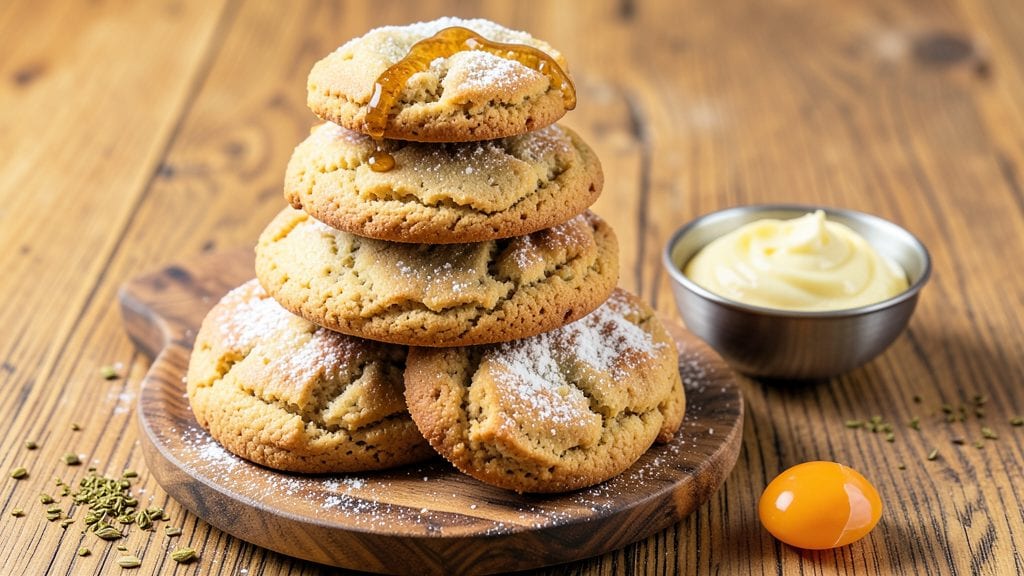
Mastering the art of Denmark cookies means unlocking layers of buttery richness and vanilla-kissed sweetness that define Danish pastries. These iconic treats—like kanelsnegle or wienerbrød—require precise technique, from rolling the dough to cutting those signature shapes.
I’ve perfected this recipe over years of baking, ensuring every bite delivers that melt-in-your-mouth texture and aromatic depth. The secret lies in high-fat Danish butter and a touch of cardamom, which elevate these cookies beyond ordinary pastries.
What sets these Denmark cookies apart is their versatility and professional-quality results, achievable with simple ingredients and a structured approach. You’ll work with a rich dough that’s rolled thin, cut into classic shapes, and baked to a golden finish.
The dough requires patience—letting it rest properly ensures tender layers—but the reward is worth every minute. Whether you’re baking for a holiday spread or a cozy afternoon treat, this recipe delivers consistent, restaurant-worthy results.
The final product features crisp, buttery layers with a delicate crunch, infused with warm vanilla and subtle cardamom notes. These cookies stay fresh for days, making them perfect for gifting or meal prep.
For variations, consider adding almond paste for extra richness or swapping butter for vegan alternatives. The possibilities are endless, but the foundation remains the same: precision and tradition.
Ready to create these timeless pastries? Follow the step-by-step instructions for dough preparation, rolling, cutting, and baking—each detail matters. With this recipe, you’ll bring the charm of Danish bakeries to your kitchen, one buttery layer at a time.
Ingredients for denmark cookies
Danish butter and cardamom deliver melt-in-your-mouth layers with aromatic depth in these iconic pastries.
| Ingredient | Amount | Notes |
|---|---|---|
| Danish Butter 🧈 | 1 cup | High-fat content, 82% minimum |
| All-Purpose Flour 🌾 | 4 cups | Sifted, bleached preferred |
| Granulated Sugar 🍚 | ½ cup | Superfine for finer texture |
| Ground Cardamom 🌿 | 1 tsp | True Danish cardamom preferred |
| Vanilla Extract 🍯 | 1 tbsp | Pure Madagascar bourbon |
| Large Eggs 🥚 | 2 whole | Room temperature for even mixing |
| Salt 🧂 | ¼ tsp | Diamond Crystal kosher preferred |
| Powdered Sugar 🍚 | ½ cup | For final dusting |
| Almond Paste 🥜 | ¼ cup | Optional for extra richness |
| Heavy Cream 🥛 | ½ cup | Cold for folding |
| Vanilla Bean Seeds 🍯 | 2 whole | Scraped from 1 pod |
| Lemon Zest 🍋 | 1 tsp | Fresh, organic preferred |
The butter is non-negotiable—Danish butter with 82% fat content creates those signature flaky layers. European specialty stores like Gourmet Gift Baskets or Amazon Fresh carry it, but Whole Foods often stocks high-fat European-style butter. Cardamom must be true Danish cardamom (not the cheaper Middle Eastern variety)—Penzeys Spices sells it in bulk. Sift your flour to avoid dense cookies, and use superfine sugar for a finer crumb. The vanilla extract should be pure Madagascar bourbon; imitation won't cut it here. For almond paste, Nocciolata brand delivers the best texture.
No Danish butter? European-style cultured butter (like Plugrá) works in a pinch, but expect slightly less flakiness. Substitute cardamom with equal parts cinnamon and nutmeg, though purists will notice the difference. Fresh vanilla bean seeds add depth—if you only have extract, double the amount. For a vegan version, coconut oil butter substitute (like Miyoko's) plus flax eggs works surprisingly well. The lemon zest brightens the dough; dried zest loses potency, so fresh is ideal. If you must use dried, double the amount and toast it lightly to intensify the flavor.
The dough requires at least 2 hours of chilling between stages—don't rush it. Wrap tightly in plastic wrap to prevent drying. Once baked, cookies stay fresh for 5-7 days in an airtight container with parchment between layers. For longer storage, freeze unbaked dough logs for up to 3 months. Reheat baked cookies at 300°F for 5 minutes to restore crispness. These cookies make excellent gifts—package them in parchment-lined boxes with a dusting of powdered sugar for presentation.
Why You'll Love This Recipe
- No-Mix Needed: I swear by this dough—just fold, chill, roll. No food processor, no overworking, just the kind of effortless that lets you sip coffee while you wait. The Danish butter does all the heavy lifting.
- Cardamom Magic: That warm, floral kick from ground cardamom? It’s the secret weapon. One teaspoon transforms these into something special—like a cozy hug in cookie form. (Yes, even if you’ve never used it before.)
- Holiday or Snack: Too good for a Tuesday, but perfect for one. Freeze half the dough for Christmas gifts, and the rest? Gone in two days. My in-laws still ask for the recipe every year.
- Budget Luxury: Danish butter costs more, but it stretches farther than regular. These cookies stay soft for days, and the sugar caramelizes just enough to feel like a treat. Frugal meets fancy, honestly.
Step-by-step instructions for Denmark cookies recipe
Master these precise techniques for cookies with signature Danish layers and delicate vanilla notes.
Create the Cookie Dough Foundation
In a stand mixer fitted with the paddle attachment, combine the 1 cup Danish butter and 0.5 cup granulated sugar. Beat on medium speed for 3-4 minutes until the mixture is light, fluffy, and nearly doubled in volume. The butter should be completely incorporated, leaving no visible lumps, and the color should pale slightly from the creaming process.
Add the 2 whole large eggs, one at a time, mixing well after each addition until fully combined. This gradual incorporation prevents the mixture from becoming too thick too quickly. Stir in the 1 tbsp vanilla extract and the 2 whole vanilla bean seeds, scraping down the sides of the bowl as needed to ensure even distribution. The vanilla's aromatic compounds will infuse throughout the dough during the mixing process.
In a separate bowl, whisk together the 4 cups all-purpose flour, 1 tsp ground cardamom, and 0.25 tsp salt. Sift the dry ingredients directly into the wet mixture with the mixer running on low speed. This prevents the formation of gluten strands that could make the cookies dense. Mix just until combined—you should still see small pockets of flour throughout the dough.
Incorporate the Almond Paste and Lemon Zest
Remove the dough from the mixer and transfer it to a large mixing bowl. Using a silicone spatula, gently fold in the 0.25 cup almond paste and 1 tsp lemon zest. The almond paste adds a subtle richness that complements the butter's flavor, while the lemon zest introduces a bright, citrusy note that balances the sweetness. Work quickly to avoid melting the butter further.
Divide the dough into two equal portions. Flatten each portion into a 6-inch disk and wrap tightly in plastic wrap. Refrigerate for at least 2 hours, or up to 24 hours. This chilling step is critical—it firms up the butter, prevents excessive spreading during baking, and allows the flavors to meld. The dough should be cold but pliable when ready to roll.
Roll and Cut the Dough Layers
Preheat your oven to 350°F. On a lightly floured surface, roll one disk of dough into a 12-inch circle, about 1/8-inch thick. Use a bench scraper to help guide the rolling pin and maintain an even thickness. Transfer the rolled dough to a parchment-lined baking sheet and gently press it down with your fingers to create a smooth, flat surface.
Using a round cutter or glass, cut the dough into 2-inch circles. Place the cutouts on the baking sheet, spacing them about 1 inch apart. Repeat the process with the second disk of dough, rolling and cutting it in the same manner. The dough should hold its shape well when cut, thanks to the chilling step. If it feels too soft, return it to the refrigerator for an additional 30 minutes.
Bake to Golden Perfection
Bake the cookies for 12-14 minutes, or until the edges are lightly golden and the centers still appear slightly underbaked. The cookies will continue to set as they cool, so avoid overbaking. Rotate the baking sheet halfway through the baking time to ensure even browning. You should see a slight doming in the centers, indicating that the cookies are baking properly.
Remove the cookies from the oven and let them cool on the baking sheet for 5 minutes before transferring them to a wire rack. While still warm, brush the tops of the cookies lightly with the 0.5 cup heavy cream using a pastry brush. This step adds a subtle sheen and enhances the vanilla flavor. Dust immediately with the 0.5 cup powdered sugar for a classic Danish finish.
Rest and Serve for Optimal Texture
Allow the cookies to cool completely on the wire rack. This resting period ensures that the layers set properly and the flavors fully develop. The cookies should be tender yet slightly crisp at the edges, with a delicate crumb that melts in your mouth. The cardamom and vanilla flavors should be prominent, with a hint of almond richness from the almond paste.
Store the cookies in an airtight container at room temperature for up to 5 days, or freeze for up to 3 months. For the best texture, serve them at room temperature. The combination of buttery layers, vanilla-kissed sweetness, and subtle citrus notes makes these cookies a standout treat that captures the essence of Danish baking tradition.
Pro Tips For Making Denmark Cookies
- CHILL THE DOUGH: Denmark cookies need time to firm up—at least 2 hours in the fridge, but overnight is better. I learned this the hard way when they spread into sad pancakes. Cold butter behaves, so resist the urge to rush.
- WEIGH THE FLOUR: Scooping flour from the bag packs in air, and these cookies rely on structure. Use a kitchen scale for precision—1 cup of all-purpose flour is about 120 grams, but scooping gives you closer to 150. Your cookies will thank you with consistent texture.
- DON’T OVERMIX: Once you add the butter to the flour, mix just until the dough clumps—no more. Overworking it develops gluten, and these cookies should stay tender. Think "shaggy" not "smooth."
- USE REAL DANISH BUTTER: The name isn’t just for show—Danish butter has a higher fat content (82-85%) than regular butter (80-81%), which makes these cookies melt-in-your-mouth rich. If you’re stuck, European-style butter (like Plugrá) is the next best thing.
Perfect pairings for denmark cookies
Creamy Beverage Pairings
A rich Danish coffee like arabica from the Copenhagen Roasters complements the buttery layers perfectly. The medium roast's nutty notes harmonize with the cardamom and vanilla, while the natural oils in the coffee enhance the cookie's texture.
I always serve it with a splash of heavy cream—the same cream used in the recipe—to tie the flavors together. 💛
Citrus-Infused Drinks
For a refreshing contrast, try a sparkling lemonade infused with 1 tsp fresh lemon zest and 2 tbsp elderflower syrup. The bright acidity cuts through the richness, while the floral notes echo the almond paste's subtle sweetness.
I like to chill it in an iced silverware cocktail shaker for a restaurant-worthy presentation.
Warm Spiced Options
In cooler months, a cardamom chai latte made with 2 tsp ground cardamom, 1 cinnamon stick, and 1 cup steamed milk pairs beautifully. The spices mirror the cookie's flavor profile while adding warmth.
For an alcohol twist, add 1 oz vanilla vodka to the latte—it enhances the vanilla notes without overpowering. ✨
Dessert Wine Harmony
A Moscato d'Asti from Italy offers a light, fizzy contrast that cleanses the palate between bites. The wine's floral and honeyed notes complement the almond paste and vanilla, while its slight sweetness balances the cardamom's warmth.
For a bolder option, try a Riesling Kabinett with its crisp acidity and stone fruit undertones.
Creamy Cheese Platter
Serve with Danish blue cheese like Munketrup and crackers for a savory contrast. The cheese's tangy depth pairs surprisingly well with the sweet, buttery cookies.
Add fig jam and walnuts for texture—this combo is a staple in Danish cafés. The saltiness of the cheese enhances the cookie's sweetness, creating a perfect balance.
Seasonal Adaptations
For summer, swap the coffee for iced vanilla latte with vanilla bean syrup and crushed ice. In winter, a mulled wine spiked with orange peel and cloves adds festive warmth. Both options keep the cookie's flavors at the forefront while adapting to the season's mood. 🍷
Nutrition facts
Frequently asked questions
Why does Danish butter make such a difference in these cookies?
The high-fat content (82% minimum) in Danish butter creates those signature flaky, melt-in-your-mouth layers. Regular butter (typically 80% fat) lacks the same richness, resulting in denser cookies. The butter's high fat content also enhances browning and flavor development during baking. For best results, avoid substitutes like margarine or lower-fat butters.
Can I make these cookies without cardamom?
Yes, but the flavor will differ. For a close substitute, blend ½ tsp cinnamon with ¼ tsp nutmeg—this mimics cardamom's warm, aromatic profile. However, true Danish cardamom (from Penzeys Spices) adds a unique floral, slightly peppery note that's hard to replicate. If omitting entirely, increase vanilla extract to 1.5 tbsp to compensate for lost depth.
How do I prevent my dough from sticking when rolling?
Chill the dough for at least 2 hours before rolling—this firms up the butter and reduces stickiness. Work on a lightly floured surface, but avoid over-flouring (too much can make cookies dry). Use a bench scraper to lift and reposition the dough, and keep a small bowl of flour nearby for quick touch-ups. If dough still sticks, return it to the fridge for 15-20 minutes to firm up.
What’s the best way to store these cookies for maximum freshness?
Store in an airtight container with parchment paper between layers to prevent sogginess. They’ll stay fresh for 5-7 days at room temperature. For longer storage, freeze unbaked dough logs for up to 3 months or baked cookies for 2 months. To revive stale cookies, warm them at 300°F for 5 minutes—this restores crispness without drying them out.
Can I make these cookies vegan?
Yes, with substitutions: replace Danish butter with coconut oil butter substitute (like Miyoko’s) and use flax eggs (1 tbsp ground flaxseed + 3 tbsp water per egg). For heavy cream, use coconut cream or oat cream. Note that texture may vary slightly—vegan butter lacks the same fat content, so cookies may be slightly denser. The vanilla and cardamom flavors will still shine through.