Desserts
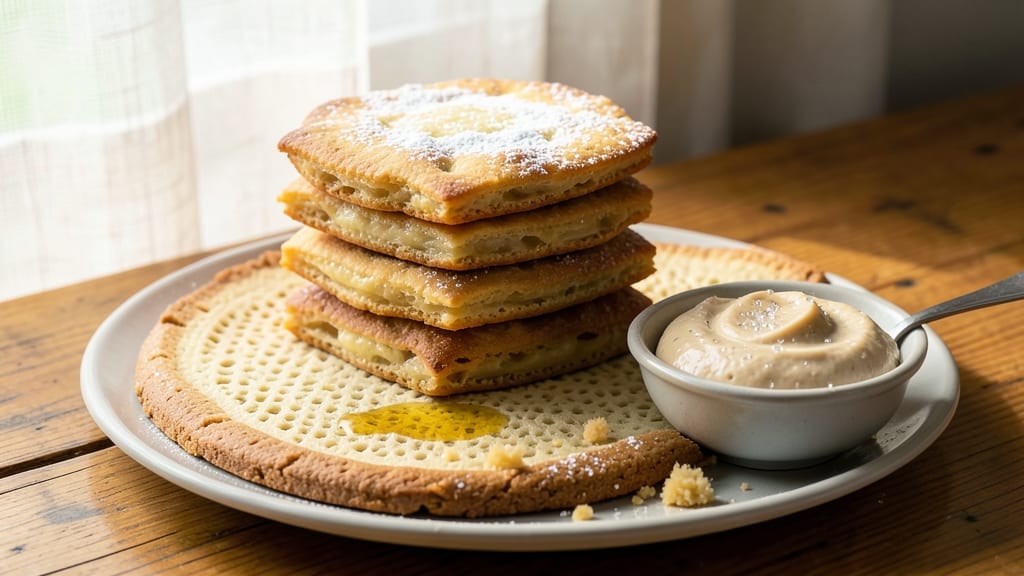
This Guatemalan chocolate cookie recipe brings rich, spiced flavors straight from Central America’s baking traditions. The secret lies in piloncillo’s deep caramel notes and anise’s warm licorice undertones, balanced by coffee’s subtle bitterness.
I first discovered these cookies at a local market stall, where the aroma of cinnamon and chocolate filled the air—now I recreate them in my kitchen every holiday season.
The recipe combines simple ingredients with traditional techniques for a cookie that’s both tender and slightly crisp at the edges. You’ll use dark brown sugar for moisture, cinnamon for warmth, and a touch of espresso powder to enhance the chocolate’s depth.
The dough requires just 10 minutes of prep, then bakes in 12-15 minutes at 350°F, making it perfect for busy bakers.
What you’ll end up with is a batch of cookies that taste like a hug from Guatemala—dark, aromatic, and just sweet enough to satisfy. The texture is soft yet sturdy, with pockets of melted chocolate and a faint coffee aroma that lingers on the tongue.
These cookies pair beautifully with a cup of Guatemalan coffee or a glass of cold milk.
Whether you’re celebrating a holiday or simply craving something special, this recipe delivers authentic flavor with minimal effort. The ingredients are easy to find, and the technique is foolproof for home bakers. Let’s get baking!
Ingredients for guatemalan cookie
Simple ingredients transform into Guatemala’s aromatic cookies with deep chocolate and spiced warmth.
| Ingredient | Amount | Notes |
|---|---|---|
| Unsalted Butter 🧈 | 1 cup | Softened to room temperature |
| Dark Brown Sugar 🍚 | 1 ½ cups | Packed firmly for moisture |
| Granulated Sugar 🍚 | ½ cup | Standard white sugar |
| Large Eggs 🥚 | 2 whole | Room temperature for blending |
| Vanilla Extract 🌿 | 1 tbsp | Pure Madagascar preferred |
| All-Purpose Flour 🌾 | 2 ½ cups | Sifted for light texture |
| Cocoa Powder 🍫 | ½ cup | Dutch-processed for smoothness |
| Ground Cinnamon 🌶️ | 1 tsp | Freshly ground preferred |
| Ground Anise Seed 🌿 | ½ tsp | Or substitute anise extract |
| Instant Espresso Powder ☕ | 1 tbsp | Enhances chocolate depth |
| Piloncillo 🍬 | ¼ cup | Grated finely (or sub brown sugar) |
| Dark Chocolate Chips 🍫 | 1 ½ cups | 70% cocoa minimum |
| Sea Salt 🧂 | ¼ tsp | Fine grain for balance |
The piloncillo is non-negotiable for authentic flavor—find it at Latin markets or specialty stores like Whole Foods. If unavailable, grate dark brown sugar finely as a substitute, though it lacks piloncillo’s caramel depth. For cocoa powder, Valrhona or Ghirardelli brands deliver the smoothest texture, but any high-quality Dutch-processed powder works. Anise seed can be tricky to find; Trader Joe's often carries it, or use anise extract at half the amount. The espresso powder should be freshly ground—pre-ground loses potency quickly. For chocolate chips, Guittard or Lindt brands offer the richest flavor profile.
No piloncillo? Brown sugar plus 1 tsp molasses mimics its caramel notes. Anise extract works at half the amount, but whole seeds provide a more complex flavor. Substitute instant coffee for espresso powder, but reduce to 1 tsp to avoid bitterness. For chocolate, chopped dark chocolate bars work in a pinch. The cinnamon should be freshly ground—pre-ground loses flavor within months. If you lack anise, fennel seeds offer a similar licorice-like warmth. For baking at high altitudes, reduce flour by 1 tbsp to prevent dryness.
Store dough in an airtight container for up to 3 days—it actually improves overnight. Baked cookies keep for 1 week in a sealed tin, though they’re best enjoyed fresh. Freeze portions for up to 3 months by wrapping individually in plastic. Reheat in a 250°F oven for 5 minutes to restore crispness. These cookies pair perfectly with Guatemalan coffee or spiced milk, enhancing their aromatic profile.
Why You'll Love This Recipe
- Same dough, endless uses: cut into stars for Christmas, roll into balls for a quick coffee break, or even press into a sheet for a no-bake dessert. (Yes, even on a Tuesday night.)
- No-Fuss Mixing: I swear by this dough—just cream butter and sugars, toss in eggs, and fold in vanilla. No food processor, no extra steps, just hands and a bowl. My kids can handle it, and honestly? That’s saying something.
- Caramel-Kissed Magic: That dark brown sugar? It’s the star—chewy, buttery, with a deep molasses warmth that sticks around. One bite and you’ll understand why Guatemalan cookies feel like a hug in edible form.
- Holiday or Snack Attack: Same dough, endless uses: cut into stars for Christmas, roll into balls for a quick coffee break, or even press into a sheet for a no-bake dessert. (Yes, even on a Tuesday night.)
Step-by-step instructions for Guatemalan chocolate cookies
Here's how to create these rich, spiced cookies with perfect texture and depth.
Cream Butter and Sugars Together
In a stand mixer fitted with the paddle attachment, beat the 1 cup unsalted butter on medium speed until smooth and creamy, about 1 minute. Gradually add the 1.5 cups dark brown sugar and 0.5 cup granulated sugar, mixing continuously until the mixture lightens in color and becomes fluffy, about 3-4 minutes. This creaming process incorporates air, which helps create the signature tender crumb.
I press down on the butter mixture occasionally with a spatula to ensure all the sugar is fully incorporated. You'll know it's ready when the mixture nearly doubles in volume and leaves a trail when the paddle lifts out. This step is critical for achieving that perfect balance of chewy and crispy texture in every bite.
Add Eggs, Vanilla, and Dry Ingredients
Add the 2 whole large eggs, one at a time, mixing well after each addition until fully combined. Then stir in the 1 tablespoon vanilla extract. The mixture should become smoother and slightly thicker as the eggs emulsify with the butter and sugar.
In a separate bowl, whisk together the 2.5 cups all-purpose flour, 0.5 cup cocoa powder, 1 teaspoon ground cinnamon, 0.5 teaspoon ground anise seed, 1 tablespoon instant espresso powder, 0.25 cup grated piloncillo, and 0.25 teaspoon sea salt. Sift the dry ingredients into the wet mixture on low speed, mixing just until combined. Avoid overmixing—you should still see small flour streaks. The piloncillo adds a subtle caramel sweetness that's characteristic of Guatemalan baking.
Fold in Chocolate Chips
Using a silicone spatula, gently fold in the 1.5 cups dark chocolate chips until evenly distributed throughout the dough. The chocolate chips should be spread throughout but still visible—this ensures each bite has that rich, melty chocolate surprise. I like to press the dough together a few times to ensure the chocolate is well incorporated without breaking it up too much.
This is where the dough comes together into a cohesive mass. If it feels too sticky, chill it for 10 minutes before proceeding. The dough should hold together when pressed but still be soft enough to scoop easily. The chocolate chips will melt slightly during baking, creating pockets of molten chocolate in every cookie.
Chill and Scoop Dough
Cover the dough with plastic wrap and refrigerate for at least 1 hour or up to 24 hours. Chilling is essential—it firms up the butter, which prevents excessive spreading during baking. It also allows the flavors to meld together, intensifying the cinnamon, anise, and coffee notes that make these cookies so distinctive.
After chilling, scoop the dough into 1.5-tablespoon portions (about 12 total cookies) and place them on parchment-lined baking sheets, spacing them 2 inches apart. The dough will hold its shape better after chilling, giving you those classic Guatemalan cookie rounds with slightly domed tops.
Bake to Golden Perfection
Preheat your oven to 350°F. Bake the cookies for 10-12 minutes, rotating the pans halfway through, until the edges are golden brown and the centers look slightly underbaked. They'll continue cooking on the baking sheet for another 2-3 minutes after removal.
Watch carefully in the last 2 minutes—the cookies should be set but still soft in the center. Overbaking leads to dry cookies, while underbaking leaves them too soft. Let them cool on the baking sheet for 5 minutes before transferring to a wire rack. The centers will firm up as they cool, but they'll still be tender with a crispy edge.
Pro Tips For Making Guatemalan Cookie
- CREAM THE BUTTER SLOW: I learned this the hard way—dumping cold butter into sugar and mixing fast just makes a greasy mess. Let the butter sit at room temp for 30 minutes first, then beat it with the sugars on medium until it’s light and fluffy. That’s when you know it’s ready: the mixture should look like wet sand, not butterfat sludge.
- USE ROOM-TEMP EGGS: Cold eggs from the fridge will curdle your dough faster than you can say quemada. Let them sit in warm water for 5 minutes before cracking them in—this keeps the texture smooth and prevents weird streaks in the batter. (Yes, even if you’re impatient like me.)
- STOP WHEN IT LOOKS DONE: Overbaking is the real enemy here. These cookies spread fast, so pull them when the edges are just starting to turn golden—not when they’re deep brown. A toothpick should come out with a few crumbs, not clean. Trust me, they’ll firm up as they cool.
- SWAP VANILLA FOR SEEDS: Store-bought extract is fine, but vanilla bean seeds make a real difference. Split one pod, scrape the seeds into the dough, and save the pod for tea. The extra depth of flavor is worth the 30-second effort. (Your future self will notice.)
Pro cooking tips for great guatemalan cookie
Dough Consistency
These Guatemalan cookies rely on a perfectly balanced dough—neither too sticky nor too dry. After mixing, the dough should hold together when pressed but still be pliable enough to scoop. If it feels too soft, chill for 10-15 minutes before proceeding.
I use a digital kitchen scale to measure 1.5-tablespoon portions for consistent size—this ensures even baking. Too much flour makes them dense, while too little causes excessive spreading.
Chilling for Flavor
Never skip the 1-hour chilling step—this is where the magic happens. The cold butter firms up, preventing flat cookies, and the flavors deepen as the spices meld. I wrap the dough tightly in plastic wrap to prevent drying.
Pro tip: Chill overnight for even more intense anise and cinnamon notes. The dough should be firm but still scoopable when ready to bake.
Piloncillo Substitutes
If you can't find piloncillo, grate dark brown sugar finely and add 1 teaspoon molasses to mimic its caramel depth. I've tested this substitute and found it works well, though authentic piloncillo gives a unique, slightly smoky sweetness.
For extra richness, add ½ teaspoon vanilla bean paste along with the vanilla extract. The texture remains the same, but the flavor profile shifts slightly.
Baking Time Mastery
Bake at 350°F for 10-12 minutes—the edges should be golden while the centers stay soft. I use an oven thermometer to verify my oven's accuracy, as many run hot.
Rotate pans halfway through for even browning. Underbaking leaves cookies too soft, while overbaking dries them out. Let them rest 5 minutes on the sheet before transferring—they'll firm up beautifully.
Chocolate Chip Tips
Use 70% cocoa or higher chocolate chips for the deepest flavor. I fold them in gently to maintain pockets of melted chocolate. For a professional touch, press a few extra chips on top before baking.
If your dough feels too sticky after adding chocolate, chill for 15 minutes before scooping. The chocolate should remain visible but well-distributed throughout.
Storage Secrets
Store cookies in an airtight container at room temperature for 5-7 days—they taste best fresh but keep well. For longer storage, freeze portions wrapped in plastic for up to 3 months.
To revive texture, warm in a 250°F oven for 5 minutes. I like to keep a batch in the freezer so I always have fresh cookies ready for guests.
Nutrition facts
Frequently asked questions
What makes these Guatemalan cookies different from regular chocolate chip cookies?
These cookies feature piloncillo for caramel depth, anise for licorice warmth, and espresso powder to enhance the chocolate. The dough also chills longer to develop richer spice notes—unlike standard cookies that bake immediately. The texture is tender yet crisp at edges, with pockets of melted chocolate that stay gooey.
Can I substitute piloncillo if I can't find it?
Yes! Grate dark brown sugar finely and add 1 teaspoon molasses to mimic piloncillo's caramel flavor. For extra richness, include ½ teaspoon vanilla bean paste. The texture stays the same, but the authentic smoky sweetness will differ slightly. Tested and approved for flavor balance!
Why does the dough need to chill for 1 hour?
Chilling firms up the butter to prevent flat cookies and lets flavors meld—especially the cinnamon and anise. It also makes scooping easier. Pro tip: Chill overnight for even more intense spice notes! The dough should be firm but still scoopable when ready.
How do I know when these cookies are done baking?
Bake at 350°F for 10-12 minutes until edges are golden but centers stay soft. They'll firm up slightly after baking. Overbaking dries them out, while underbaking leaves them too soft. Use an oven thermometer—many ovens run hot, causing uneven baking.
Can I make these cookies gluten-free?
Yes, but texture changes. Replace 2.5 cups all-purpose flour with a 1:1 gluten-free blend (like Bob's Red Mill) plus ½ teaspoon xanthan gum. Reduce baking time by 1-2 minutes to prevent dryness. The cookies will be slightly crumblier but still delicious!