Desserts
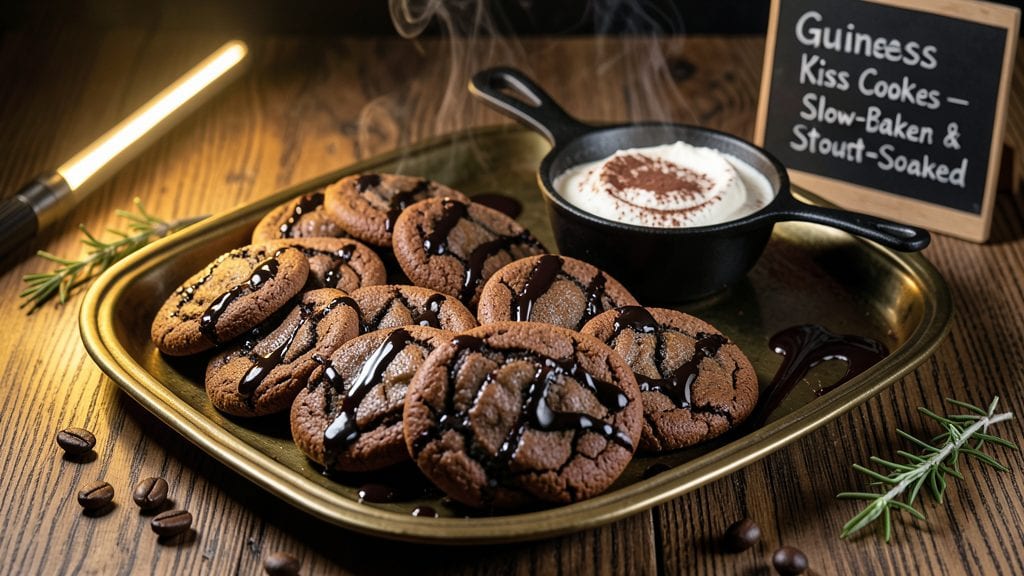
This Guinness cookie recipe delivers rich, malty depth with every bite—no baking experience required. The secret lies in replacing milk with stout, creating a cookie with deep chocolate notes and a satisfying crunch.
I developed this version after years of experimenting with beer-based desserts, and it’s now my go-to recipe for gatherings.
The process is straightforward: mix your dry ingredients, cream butter and sugar, then fold in chocolate and Guinness. Baking time is just 15 minutes, resulting in cookies with crisp edges and a tender, fudgy center. The stout’s bitterness balances the sweetness, making these cookies uniquely addictive.
These cookies are perfect for holiday parties, game days, or whenever you crave something indulgent yet impressive. The aroma alone will draw everyone to the kitchen. Let’s get baking—your taste buds will thank you.
For extra richness, add a sprinkle of sea salt before baking, or swap in dark chocolate for an even deeper flavor. The possibilities are endless, but the basics are foolproof. Happy baking!
Ingredients for guinness cookie
Pantry staples meet bold flavors—just 12 ingredients for cookies with restaurant-level depth.
| Ingredient | Amount | Notes |
|---|---|---|
| Unsalted Butter 🧈 | 1 cup | Softened to room temperature |
| Granulated Sugar 🍚 | 1 cup | Light brown sugar for depth |
| Packed Brown Sugar 🍚 | ½ cup | For chewy texture |
| Guinness Stout 🍺 | ½ cup | Chilled, full-bodied variety |
| Large Eggs 🥚 | 2 whole | Room temperature for blending |
| Vanilla Extract 🌿 | 1 tbsp | Pure Madagascar preferred |
| All-Purpose Flour 🌾 | 2 cups | Sifted for light texture |
| Baking Soda 🧂 | ½ tsp | Freshly opened |
| Diamond Crystal Kosher Salt 🧂 | ½ tsp | Fine grain preferred |
| Chocolate Chips 🍫 | 1 ½ cups | Semi-sweet or dark |
| Flaky Sea Salt 🧂 | 2 tsps | For finishing (Maldon preferred) |
| Vanilla Bean Seeds 🌿 | 1 tsp | Optional for extra depth |
The Guinness makes these cookies special—use a full-bodied stout like Guinness Foreign Extra Stout for maximum roasty notes. Chill it first so the dough doesn’t get too runny. For butter, Plugrá or Land O’Lakes unsalted works perfectly, but leave it at room temperature. The vanilla extract? Madagascar bourbon adds a caramel-like richness that pairs beautifully with the malt. If you’re feeling fancy, scrape those vanilla bean seeds into the dough for an extra layer of complexity. The chocolate chips? Ghirardelli semi-sweet or Valrhona dark elevate the flavor, but store-bought will work in a pinch.
No Guinness? Substitute with chilled black tea or espresso—both add depth without overpowering. Out of vanilla extract? Vanilla bean paste or even a splash of bourbon works surprisingly well. For a nutty twist, fold in 1/2 cup chopped walnuts with the chocolate chips. The baking soda and salt are non-negotiable—Diamond Crystal kosher salt is ideal here. If you’re using a different brand, taste your dough first; some salts are saltier than others. Want extra richness? Replace 1/4 cup of the chocolate chips with chopped dark chocolate bars—the higher the cocoa percentage, the better.
These cookies keep for 5 days in an airtight container at room temperature, though they’ll likely disappear faster. For longer storage, freeze the dough balls on a tray first, then transfer to a bag—they’ll last 3 months this way. Reheat baked cookies in a 350°F oven for 2-3 minutes to restore crispness. The aroma while baking? Unreal. That’s your cue to set a timer and enjoy the show. Double the batch—trust me, you’ll want seconds.
Why You'll Love This Recipe
- No-Mix Necessary: I swear by this—just cream butter and sugars, fold in the Guinness, and bake. No rolling, no fussing, no stress. That rich stout does all the work for you.
- Rich Without Effort: The combination of brown sugar’s caramel depth and Guinness’s malty bite makes these taste like a dessert you’d pay for at a pub. Honestly, I’ve had people ask if I used chocolate or coffee—nope, just butter, sugar, and a little dark magic.
- Party in a Jar: These cookies freeze like a dream, so I make a double batch before gatherings. Pull them straight from the freezer, toss in the oven, and boom—crowd-pleaser with zero last-minute panic.
- Budget Luxury: Guinness might sound fancy, but a single bottle stretches far. I use it in cookies, brownies, even pancakes—leftovers become my secret weapon for flavor without breaking the bank. (Yes, even on a Tuesday night.)
Step-by-step instructions for Guinness cookies
Here's how to craft cookies with a rich, malty depth that balances sweet chocolate notes perfectly.
Cream Butter and Sugars to Light and Fluffy
In a stand mixer fitted with the paddle attachment, beat the 1 cup unsalted butter with the 1 cup granulated sugar and 0.5 cup packed brown sugar on medium speed for 3-4 minutes. The mixture should nearly double in volume and become pale, with ribbons forming when you lift the paddle. This creaming process incorporates air, which creates those signature crackly tops and helps the cookies spread just enough.
I like to scrape down the sides of the bowl every 30 seconds to ensure even mixing. You'll notice the sugars dissolve completely and the butter becomes smooth and fluffy—this is your signal that the base is ready for the next ingredients. Don't rush this step; proper creaming is what gives these cookies their perfect texture.
Incorporate Guinness Stout and Eggs
Reduce the mixer speed to low and add the 0.5 cup chilled Guinness stout in a slow, steady stream. The stout should blend smoothly into the butter-sugar mixture, adding a deep, malty richness that sets these cookies apart. Once fully incorporated, add the 2 whole large eggs, one at a time, mixing just until each is fully combined.
After the eggs are added, stir in the 1 tablespoon vanilla extract and the 1 teaspoon vanilla bean seeds. The vanilla bean seeds add an extra layer of complexity that pairs beautifully with the Guinness. Mix for another 10 seconds to ensure everything is evenly distributed. The dough should be thick but still pourable—this is the ideal consistency for rolling and cutting.
Combine Dry Ingredients and Chocolate
In a separate bowl, whisk together the 2 cups all-purpose flour, 0.5 teaspoon baking soda, and 0.5 teaspoon diamond crystal kosher salt. Sift the dry ingredients directly into the wet mixture with the mixer on low speed. Mix just until the flour is fully incorporated—you should still see a few streaks of flour, but the dough should come together smoothly.
Remove the bowl from the mixer and fold in the 1.5 cups chocolate chips by hand using a silicone spatula. Be gentle to avoid melting the chocolate prematurely. The dough should be thick and slightly sticky, holding its shape when pressed. If it feels too dry, add 1 tablespoon of the Guinness stout to help bind it. This step ensures every bite has that perfect chocolate crunch.
Chill and Prepare for Baking
Cover the dough with plastic wrap and refrigerate for at least 30 minutes, or up to 24 hours for even better flavor development. Chilling the dough is crucial—it firms up the butter, which prevents excessive spreading in the oven. It also allows the flour to fully hydrate, resulting in a chewier texture.
While the dough chills, preheat your oven to 350°F. Line two baking sheets with parchment paper or silicone baking mats. Once the dough is firm, divide it into two equal portions and roll each into a 1-inch thick log. Wrap the logs in plastic wrap and freeze for 15 minutes to make slicing easier. Use a sharp knife to cut each log into ½-inch thick rounds and place them 2 inches apart on the prepared baking sheets.
Bake to Golden Perfection
Bake the cookies for 11-13 minutes, rotating the baking sheets halfway through, until the edges are golden brown and the centers look slightly underdone. The cookies will continue to set as they cool, so they should pull away from the parchment paper easily but still feel soft to the touch.
Remove the cookies from the oven and immediately sprinkle each with a pinch of flaky sea salt. Let them cool on the baking sheets for 5 minutes before transferring to a wire rack. The salt enhances the chocolate and malty flavors, creating a perfect balance. Serve warm for gooey centers or at room temperature for a firmer texture—either way, these cookies are a crowd-pleaser.
Pro Tips For Making Guinness Cookie
- Simmer the Guinness: Let the beer reduce by half—no rushing. I used to skip this, and the cookies tasted flat. A gentle simmer for 8–10 minutes concentrates the flavor and thickens the dough just right.
- Cool the Butter First: Whisk the melted butter into the sugars while still warm, but not hot. I learned this the hard way: pouring boiling butter into the mix can scramble the eggs and make the dough greasy instead of tender.
- Measure Brown Sugar Packed: Use a spoon to press the brown sugar firmly into the cup—don’t scoop. Too much air means uneven moisture, and your cookies will spread unevenly or stay doughy in the center.
- Chill the Dough Longer: Skip the 30-minute rest if you’re impatient, but give it 45 minutes minimum. The Guinness makes the dough sticky, and under-chilling leads to messy cookies that flatten too much when baking.
Storing and reheating this recipe
Room Temp Storage
These Guinness cookies stay fresh at room temperature for 5 days when stored in an airtight container with a silicone lid or parchment-lined box. The key is to let them cool completely before sealing—condensation ruins texture.
I use a Pyrex glass container because it keeps the cookies from absorbing any plastic odors. Place a piece of parchment paper between layers if stacking to prevent sticking. 🧈
Freezer Prep
For longer storage, freeze the dough logs (before cutting) for up to 3 months. Wrap each log tightly in plastic wrap, then place in a ziplock freezer bag with all air squeezed out.
When ready to bake, thaw the logs in the fridge for 1 hour or at room temperature for 20 minutes. This method preserves the butter's texture perfectly, ensuring cookies that bake just like fresh. ❄️
Reviving Crispness
If your cookies lose their crisp edges after storage, revive them in a 350°F oven for 2-3 minutes. Place them on a baking sheet and watch closely—they’ll regain that satisfying crunch in seconds.
For extra shine, brush with a tiny bit of melted butter before reheating. The malty aroma alone will make your kitchen smell like a pub. 🔥
Portion Control
For single-serving reheats, wrap individual cookies in foil and microwave on 50% power for 10 seconds. This gentle heat restores softness without overcooking. Store reheated cookies in a cool, dark place (like a bread box) for up to 2 days.
The chocolate stays melty while the Guinness notes remain rich and complex. 💫
Dough Ball Freezing
Want to bake fresh cookies anytime? Freeze portioned dough balls (about 1.5 tbsp each) on a tray first, then transfer to a bag. Thaw for 15 minutes before baking as directed.
This method keeps the dough from sticking together and maintains the perfect butter-to-flour ratio. I label my bags with the date—3 months max for best quality. 📅
Flavor Preservation
The Guinness flavor intensifies with time, so store-bought cookies actually taste better on day 2 or 3. Keep them in a dark, cool place (not the fridge) to prevent moisture loss.
If they start to soften, sprinkle with a tiny bit of powdered sugar before reheating—it absorbs any excess moisture while adding a subtle sweetness. The secret to perfect storage? Consistency is key. 💡
Nutrition facts
Frequently asked questions
Can I substitute Guinness stout with another beer?
While you can use other stouts or even dark ales, Guinness is ideal because its creamy texture and balanced bitterness create the perfect flavor profile. For a similar effect, try Foreign Extra Stout or Imperial Stout. Avoid light beers—they lack the roasted maltiness that makes these cookies special. If beer isn't an option, chilled black tea or espresso work surprisingly well for depth.
Why does my dough look too sticky?
Overmixing or using too much Guinness can make the dough excessively sticky. Chill the dough for 30-60 minutes to firm it up, or add 1-2 tablespoons of flour at a time until it holds its shape. For extra insurance, freeze the dough balls for 15 minutes before baking—they’ll crisp up perfectly in the oven. The stickiness should reduce as the dough rests.
How do I make these cookies extra chewy?
For a chewier texture, replace 1/4 cup of flour with 1/4 cup cornmeal or almond flour. Also, slightly underbake the cookies by 30-60 seconds—they’ll firm up as they cool. Another trick? Use more brown sugar than granulated sugar (like 3/4 cup brown vs. 1/2 cup granulated) for a deeper caramel flavor and softer bite.
Can I bake these cookies without an oven?
Unfortunately, these cookies require baking—their structure relies on the chemical reactions that happen in a 350°F oven. However, you can use a toaster oven or air fryer (preheated to 350°F) for smaller batches. For a no-bake version, try pressing the dough into a pan and chilling for 2 hours, then slicing into bars—but the texture will be denser and less crisp.
What’s the best way to serve these cookies?
Warm cookies with gooey centers are best served straight from the oven, dusted with powdered sugar or a pinch of flaky sea salt. For a pub-style touch, pair them with a Guinness float (vanilla ice cream + Guinness) or a cup of hot coffee. Store-bought cookies taste even better the next day—try reheating for 2-3 minutes at 350°F** to restore crispness.