Desserts
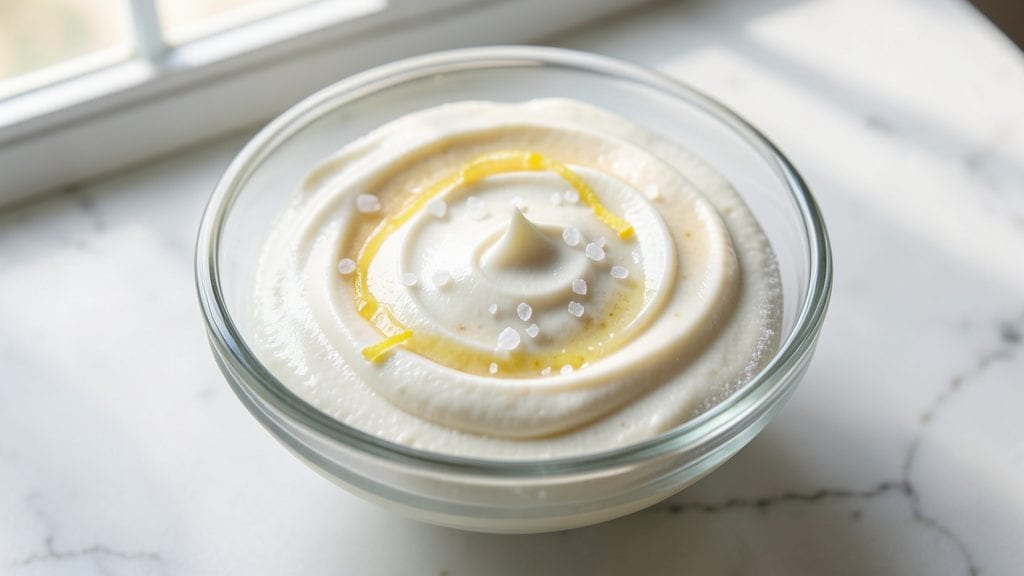
Martha Stewart’s cookie frosting recipe delivers that velvety smooth, pipeable perfection that turns ordinary cookies into showstoppers. The secret lies in tempering butter properly and incorporating just the right amount of powdered sugar for that signature Martha Stewart texture—neither too stiff nor too runny.
I’ve perfected this version over years of baking, and it’s the one my clients request when they want restaurant-quality frosting at home.
The foundation of this frosting is a simple yet precise combination of butter, powdered sugar, and a touch of vanilla, but the technique makes all the difference.
By beating the butter to room temperature and gradually adding sugar, you achieve a light, airy consistency that’s ideal for piping rosettes or spreading smoothly. This isn’t your average buttercream—it’s designed to hold its shape while still being tender enough to melt in your mouth.
What sets this frosting apart is its versatility. Use it to decorate sugar cookies, cupcakes, or even cake layers, and it will deliver that professional finish every time.
The key is patience—letting the frosting rest for 10 minutes before piping ensures it’s at the perfect consistency for clean lines and sharp edges.
Whether you’re frosting a batch of holiday cookies or dressing up a birthday cake, this recipe guarantees results that look and taste like they came from a bakery.
For those who prefer variations, a cream cheese twist adds tanginess, while a vegan version replaces butter with coconut oil. But the classic buttercream remains the gold standard—rich, flavorful, and foolproof. Let’s get started on creating frosting that will have everyone asking for your recipe.
Ingredients for martha stewart cookie frosting
Three cups of powdered sugar and one cup of butter create Martha's signature velvety frosting.
| Ingredient | Amount | Notes |
|---|---|---|
| Unsalted Butter 🧈 | 1 cup | Room temperature, European-style preferred |
| Powdered Sugar 🍚 | 3 cups | Sifted for smooth texture |
| Pure Vanilla Extract 🍯 | 1 tbsp | Bourbon or Madagascar preferred |
| Heavy Cream 🥛 | ¼ cup | Cold for stability |
| Diamond Crystal Kosher Salt 🧂 | ¼ tsp | Fine grain preferred |
| Lemon Juice 🍋 | ½ tsp | Freshly squeezed |
| Vanilla Bean Paste 🌿 | ½ tsp | For extra depth of flavor |
| Cornstarch 🌾 | ¼ tsp | For pipeability |
The butter is non-negotiable here—European-style unsalted butter gives the most flavor and smoothest texture. Plugrá or Miyoko's are my go-tos, but any good-quality brand works. Room temperature is critical; if yours is too cold, microwave it for 20 seconds to just soften. The powdered sugar should be sifted before measuring—this eliminates lumps and ensures that signature Martha Stewart pipeability. I always buy Domino brand from the bulk bins at Whole Foods or Kroger—it's consistently fine and doesn't clump. For vanilla, Bourbon or Madagascar extracts add complexity, but any pure extract will work.
No powdered sugar? Confectioners' sugar substitute is a 1:1 swap, but the texture won't be identical—it'll be slightly denser. Short on butter? Shortening works but lacks flavor. The heavy cream adds stability for piping, but if you're making a spreadable frosting, you can omit it entirely. For a tangy twist, add 1 tsp cream cheese to the butter before beating. The lemon juice brightens the flavor, but if you're not a fan, 1/4 tsp almond extract adds depth without acidity. The vanilla bean paste is optional but worth it for that professional touch—Madagascar or Bourbon varieties work best.
This frosting keeps beautifully—3-4 days in the fridge covered with plastic wrap pressed directly on the surface. For longer storage, freeze it in 1-tbsp portions on a parchment-lined tray, then transfer to a bag. Thaw at room temperature before using. I always make extra—it's perfect for filling cookies too. If the frosting gets too stiff, microwave it for 10 seconds to soften. For best results, let it rest 10 minutes before piping to reach that perfect Martha Stewart consistency.
Why You'll Love This Recipe
- Four-Ingredient Magic: I swear, this frosting takes three minutes—just soft butter, powdered sugar, and a splash of cream. No mixer, no stress, just a fork and a bowl.
- Vanilla Kiss: That pure vanilla extract? It’s not subtle—it’s there, rich and warm, cutting through the sweetness like a hug. Honestly, I’ve tried store-bought, but this tastes like childhood.
- Cookie’s Best Friend: Spread it on sugar cookies, drizzle it over cake, or—my favorite—slather it on warm chocolate chip cookies. It’s the reason my kitchen smells like happiness every time.
- Budget Luxury: Butter and sugar are cheap, but this frosting feels like a bakery secret. I make a double batch, store it in the fridge, and use it for weeks—no waste, all flavor.
Instructions for Martha Stewart's velvety cookie frosting
Here's how to achieve Martha's signature smooth, pipeable frosting every time.
Cream the Butter and Powdered Sugar
In a stand mixer fitted with the paddle attachment, beat the 1 cup unsalted butter on medium speed until completely smooth and free of lumps—about 2-3 minutes. This ensures no graininess in your final frosting. Gradually add the 3 cups powdered sugar, mixing on low speed to prevent a sugar cloud from forming.
Increase the speed to medium and beat for 3-4 minutes until the mixture is light and fluffy. You'll notice it nearly doubles in volume as air is incorporated. This step is critical for achieving that signature Martha Stewart velvety texture—don't rush it. The mixture should be pale and smooth, with no visible sugar crystals remaining.
Incorporate Flavors and Stabilizers
Reduce the mixer speed to low and add the 1 tablespoon pure vanilla extract, 0.5 teaspoon vanilla bean paste, and 0.5 teaspoon lemon juice. Mix for 1 minute to fully combine these flavor elements. The lemon juice brightens the sweetness while the vanilla bean paste adds depth that regular extract can't match.
Next, add the 0.25 cup cold heavy cream and the 0.25 teaspoon diamond crystal kosher salt, mixing for another 1-2 minutes until completely incorporated. The salt enhances all the flavors, while the cold cream adds stability. Here's the thing—adding the cream too early would melt the butter and create a runny consistency. Timing matters.
Add Cornstarch for Perfect Pipeability
With the mixer running on low speed, sprinkle the 0.25 teaspoon cornstarch over the frosting mixture. This might seem like a tiny amount, but it's the secret to Martha's signature pipeable consistency. Mix for 30-60 seconds until the cornstarch is completely dissolved and the frosting achieves a smooth, spreadable texture.
The cornstarch acts as a thickener and stabilizer, preventing the frosting from becoming too soft or melting in warm temperatures. You'll notice the frosting becomes slightly thicker and more cohesive. At this point, it should hold its shape when piped but still be light enough to spread smoothly. If it's too thick, add 1 teaspoon heavy cream at a time until you reach the perfect consistency.
Test and Adjust for Perfect Texture
Transfer the frosting to a piping bag fitted with a star tip or spread it immediately onto your cooled cookies. The frosting should hold its shape when piped but still be soft enough to spread with a spatula if desired. If it's too stiff, add 1 teaspoon heavy cream and mix until smooth. If it's too thin, chill it for 15-20 minutes before using.
This frosting is designed to be versatile—pipe it for decorative borders, spread it for a classic cookie look, or use it to fill between layers of cake. The key to perfection lies in the balance of ingredients and the proper mixing technique. Once you've achieved the right consistency, cover the bowl with plastic wrap and refrigerate for up to 2 weeks if you're not using it immediately. The flavors will continue to meld and improve with time.
Pro Tips For Making Martha Stewart Cookie Frosting
- SOFTEN BUTTER FIRST: Let the butter sit in room-temperature water for 10 minutes before mixing—this keeps the frosting smooth without melting the butter into a greasy mess (yes, I’ve seen it happen).
- SIFT THE SUGAR: Powdered sugar clumps like a grumpy old cat. Sift it directly into your bowl to avoid lumps, then whisk vigorously for 30 seconds to break up any stubborn ones.
- WEIGH THE CREAM: Use a scale for the heavy cream—1/4 cup isn’t always 1/4 cup. Too much makes the frosting runny; too little makes it dry. Trust the numbers, not your eyeballs.
- SALT LAST: Add the kosher salt after mixing everything else. Taste first—you’ll need more than you think, but sprinkling it in early risks clumping and uneven flavor.
Creative variations of these flavors
Cream Cheese Twist
For a tangy, rich variation, replace ¼ cup of the butter with 4 ounces cream cheese softened to room temperature. Beat the cream cheese with the butter first until completely smooth—this prevents lumps. The acidity brightens the sweetness, making it perfect for red velvet cookies or carrot cake.
I like to add ½ teaspoon lemon zest alongside the lemon juice for extra zing. This version holds its shape beautifully when piped but melts slightly at room temperature, creating that perfect balance of structure and tenderness. 🧀
Vegan Buttercream
Swap the butter for 1 cup vegan butter (I recommend Miyoko's or Earth Balance) and replace the heavy cream with ¼ cup coconut cream chilled overnight. Use 1 tablespoon vanilla bean paste for depth, and add 1 teaspoon arrowroot powder instead of cornstarch for stability.
This version works perfectly for vegan sugar cookies and keeps its shape when piped. The texture is slightly denser but still light and flavorful. For extra richness, add 1 tablespoon coconut oil to the butter mixture. 🌱
Brown Butter Version
Brown the butter first by melting it in a saucepan over medium heat until it turns golden and smells nutty—about 5-7 minutes. Let it cool slightly before beating with the powdered sugar. The caramelized notes add depth that pairs beautifully with snickerdoodles or gingersnaps.
For extra flavor, add ½ teaspoon cinnamon to the vanilla extract. This version has a slightly deeper color and more complex taste, making it ideal for fall baking. 🍂
Citrus Glaze Twist
Reduce the powdered sugar to 2½ cups and add 2 tablespoons orange zest and 1 tablespoon orange juice along with the lemon juice. This creates a bright, citrusy glaze perfect for gingerbread cookies or shortbread.
The zest adds a subtle bitterness that balances the sweetness, while the orange juice keeps the frosting light and spreadable. For a festive touch, add a pinch of cardamom to the vanilla extract. 🍊
Spiced Chai Frosting
Infuse the butter by melting it with 1 cinnamon stick and 2 whole cloves for 10 minutes, then cool before using. Add ½ teaspoon ground cinnamon, ¼ teaspoon ground cardamom, and ¼ teaspoon ground ginger to the vanilla extract.
This spiced version is perfect for chocolate chip cookies or pecan sandies. The warmth of the spices complements the sweetness beautifully, making it a cozy favorite for winter baking. 🌿
Nutrition facts
Frequently asked questions
Why does Martha Stewart's frosting need cornstarch?
The 0.25 teaspoon cornstarch is the secret to that signature pipeable texture. It acts as a stabilizer, preventing the frosting from becoming too soft or melting in warm temperatures while keeping it smooth and spreadable. Without it, your frosting might collapse when piped or feel too runny.
Can I make this frosting without a stand mixer?
Use a hand mixer or even a whisk in a large bowl. Beat the butter until smooth (about 3-4 minutes), then gradually add the powdered sugar while mixing on low speed. The key is patience—keep mixing until the frosting is light and fluffy, which may take a few extra minutes by hand.
How do I fix frosting that's too thick or too thin?
If your frosting is too thick, add 1 teaspoon heavy cream at a time until it reaches a spreadable consistency. For runny frosting, chill it for 15-20 minutes or add 1 teaspoon cornstarch mixed with a little powdered sugar to thicken it. Always test on a small plate first!
Can I use this frosting for cake layers instead of cookies?
Yes! This frosting works beautifully for cake layers too. For a 3-layer cake, you'll need about 2 cups of frosting per layer. Chill the cake layers for 30 minutes before frosting to prevent melting. The cornstarch keeps it stable enough for clean layers and piping decorations.
What's the best way to store leftover frosting?
Cover the bowl tightly with plastic wrap pressed directly on the surface to prevent drying. Store in the fridge for 3-4 days or freeze in 1-tbsp portions for up to 3 months. Thaw at room temperature before using. The flavors actually improve over time!