
Desserts
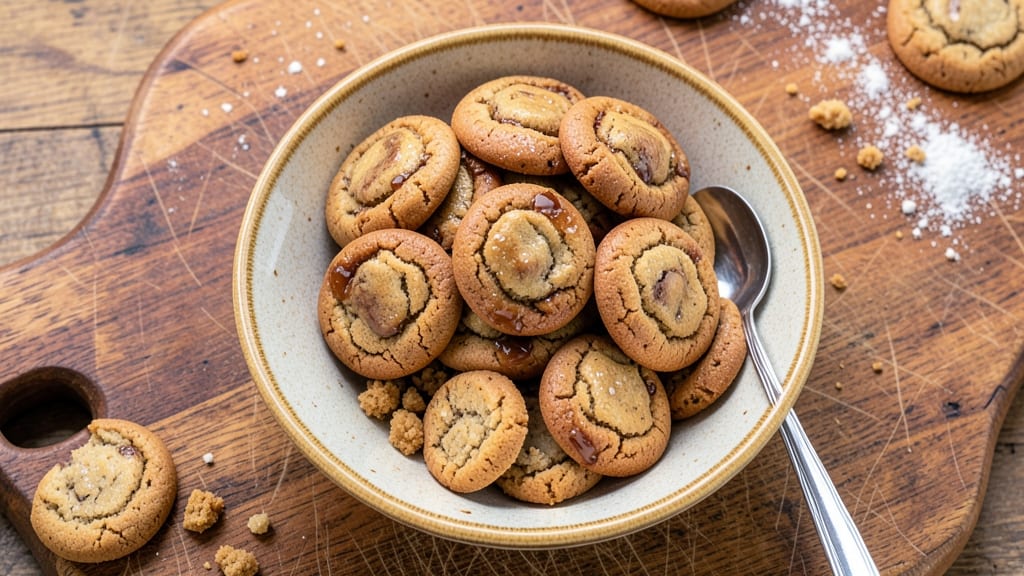
Martha Stewart’s ginger cookie recipe delivers that perfect balance of crispy edges and molten spice centers that make every bite irresistible. I’ve baked these cookies countless times, and the secret lies in precise measurements and a touch of patience—especially when it comes to chilling the dough.
The warm, aromatic blend of ginger and cinnamon transforms a simple cookie into something truly special, with just the right chew that keeps you reaching for another.
The dough comes together quickly with just 10 ingredients, including brown sugar for depth and molasses for that signature depth of flavor.
What sets these apart is the baking technique: 10 minutes in a 375°F oven creates the signature crispy exterior, while the centers stay soft and fragrant with warm ginger notes.
This isn’t your average gingerbread cookie—it’s a foolproof recipe that delivers restaurant-quality results every time, with a texture that’s both tender and satisfying.
Once out of the oven, these cookies develop an irresistible aroma that fills your kitchen, making it impossible to resist. The edges turn a beautiful golden brown while the centers remain soft and packed with spice, creating that perfect contrast.
Whether you’re baking for the holidays or just craving a cozy treat, these cookies are a guaranteed crowd-pleaser that will have everyone asking for the recipe.
For an extra touch, consider adding white chocolate chips or drizzling with a simple glaze—though the classic version is already hard to beat. Let’s get started on creating these crispy, spice-infused cookies that taste like a warm hug in every bite.
Ingredients for martha stewart ginger cookie
Ten essential ingredients craft Martha Stewart's signature ginger cookies with perfect crispy edges and tender spice centers.
| Ingredient | Amount | Notes |
|---|---|---|
| Unsalted Butter 🧈 | ½ cup | Cold, cubed for cutting into dough |
| Light Brown Sugar 🍚 | ¾ cup | Packed firmly, not scooped |
| Granulated Sugar 🍚 | ¼ cup | For crispy exterior texture |
| Large Egg 🥚 | 1 whole | Room temperature for even mixing |
| Molasses 🍯 | ½ cup | Unsulphured for authentic depth |
| All-Purpose Flour 🌾 | 2 ½ cups | Sifted, spooned into cup |
| Ground Ginger 🌿 | 1 ½ tbsp | Freshly ground preferred |
| Ground Cinnamon 🌶️ | 1 ½ tsp | Ceylon preferred for delicate flavor |
| Diamond Crystal Kosher Salt 🧂 | ½ tsp | Fine grain for even distribution |
| Baking Soda 🧪 | ½ tsp | Aluminum-free for purity |
The butter quality is non-negotiable—Plugrá or European-style yields the richest flavor and ideal texture. Cold, cubed butter creates those signature pockets of flavor, while room-temperature butter ensures smooth dough incorporation. For molasses, Blackstrap unsulphured delivers the deepest, most authentic flavor profile, available at specialty grocers like Whole Foods or Penzeys Spices. The brown sugar should be packed firmly—light brown sugar provides the perfect balance of moisture and caramelization without overpowering the ginger. Sift your flour and baking soda together to eliminate lumps and ensure even distribution throughout the dough.
No unsulphured molasses? Dark corn syrup at half the amount works in a pinch, though it lacks the depth. Substituting ground ginger with fresh ginger (1 tbsp finely grated per 1.5 tbsp ground) intensifies the flavor dramatically. For cinnamon, Madagascar Ceylon offers a more delicate, floral note if you prefer subtlety. The baking soda must be fresh—expired baking soda loses potency, resulting in flat cookies. When measuring flour, spoon it into the cup and level off to avoid dense cookies. For a gluten-free adaptation, use a 1:1 gluten-free flour blend and increase the molasses by 1 tbsp to compensate for reduced moisture retention.
Chill the dough for at least 2 hours to prevent spreading during baking. Store wrapped in the refrigerator for 5 days or freeze the dough balls for 3 months between parchment layers. Baked cookies keep their crisp edges for 3 days in an airtight container at room temperature. For extended freshness, place a slice of bread in the container to absorb moisture. Reheat at 300°F for 5 minutes to restore crispness if they soften.
Why You'll Love This Recipe
- No Mixer Needed: I swear by this dough—it’s just butter, sugars, and molasses creamed together until it’s almost too soft. No electric mixer required, just a sturdy fork and my elbows. Honestly, the texture comes out richer when you work it by hand, and those little pockets of brown sugar? They melt into pure caramel heaven.
- Molasses Magic: That deep, spicy kick from the molasses? It’s the star. One tablespoon transforms a simple cookie into something warm and complex—like a hug in edible form. I’ll be real: I’ve tried cutting it back, but then it just tastes like a sad, buttery shortbread. The molasses is non-negotiable.
- Holiday or Snack: These cookies are my go-to for Christmas gifts, but they’re also the perfect 3 p.m. pick-me-up. Package them in cellophane bags for neighbors, or just leave a plate on the counter for coworkers. (Yes, even on a Tuesday night.) They freeze beautifully too, so I always bake a double batch.
- Budget-Friendly Staples: You’re using pantry basics—no fancy ingredients, just good butter, sugar, and a little molasses. I’ve made these for years, and the cost per cookie is laughably cheap. Plus, the dough keeps for days in the fridge, so you’re not scrambling last-minute. It’s the kind of recipe that makes you feel smart for spending so little.
Step-by-step instructions for Martha Stewart's ginger cookies
Master these techniques and you'll achieve Martha Stewart's signature ginger cookies with perfect spice balance and crispy edges every time.
Cream Butter and Sugars for Maximum Flavor Development
In a stand mixer fitted with the paddle attachment, combine the 0.5 cup unsalted butter (cold, cubed) with the 0.75 cup light brown sugar and 0.25 cup granulated sugar. Beat on medium speed for 3-4 minutes until the mixture is light and fluffy, with ribbons forming when the paddle is lifted. This creaming process incorporates air, which creates that signature tender yet crispy texture.
The butter should be pale and nearly doubled in volume. If it feels too soft, chill the bowl in the refrigerator for 10 minutes before proceeding. This ensures proper texture when the dough is baked. I like to press the sugar mixture against the bowl sides occasionally to incorporate any sugar that might cling to the edges.
Incorporate Molasses and Egg for Rich Depth
Add the 0.5 cup molasses and 1 whole large egg (room temperature) to the creamed mixture. Beat on medium speed for 1-2 minutes until fully combined and smooth. The molasses will darken the mixture noticeably, which is normal and essential for that authentic gingerbread flavor profile.
Here's where the magic happens: the molasses adds moisture and depth, while the egg binds everything together. If the mixture seems too thick, you can gently warm the molasses for 10-15 seconds in the microwave to make it more fluid. The dough should be soft but manageable when you're ready to add the dry ingredients.
Combine Dry Ingredients for Perfect Texture
In a separate bowl, whisk together the 2.5 cups all-purpose flour, 1.5 tablespoons ground ginger, 1.5 teaspoons ground cinnamon, 0.5 teaspoon diamond crystal kosher salt, and 0.5 teaspoon baking soda. Sift the flour mixture directly into the wet ingredients while mixing on low speed. This prevents gluten development that could make the cookies tough.
Mix just until combined—you should still see small flour streaks. Overmixing develops gluten, which leads to dense, cake-like cookies instead of the tender, crispy texture we're after. The dough will be soft and slightly sticky, which is perfect for creating those signature crackly edges when baked.
Chill the Dough for Optimal Spread and Flavor
Cover the dough with plastic wrap and refrigerate for at least 1 hour, or up to 24 hours. This chilling step is crucial for several reasons: it firms up the butter so the cookies spread properly in the oven, allows the flour to fully hydrate for better texture, and lets the spices infuse more deeply into the dough.
For best results, I recommend chilling overnight. The longer the dough rests, the more pronounced the ginger flavor becomes. When ready to bake, remove the dough from the refrigerator and let it sit at room temperature for 10-15 minutes before scooping. This prevents the dough from spreading too much in the hot oven.
Bake to Golden Perfection with Crispy Edges
Preheat your oven to 375°F and line two baking sheets with parchment paper. Using a cookie scoop or tablespoon, portion the dough into 1-inch balls (about 1.5 ounces each) and place them 2 inches apart on the prepared baking sheets. These cookies need space to spread and develop their signature crispy edges.
Bake for 10-12 minutes until the edges are deep golden brown and the centers still look slightly soft. They'll continue to firm up as they cool. For extra crispiness, I like to press down gently on each cookie with a spatula during the first 2 minutes of baking. This creates that beautiful crackly texture while ensuring even cooking.
Pro Tips For Making Martha Stewart Ginger Cookie
- Cream Butter Slowly: Use a wooden spoon to mix the softened butter with sugars at medium speed—no rush. I learned this the hard way after making my dough lumpy twice; let the mixer do the work while you scrape the sides. The goal is a light, airy texture, not a paste.
- Measure Molasses Precisely: Fill the molasses cup to the brim, then level it with a knife—this stuff sticks like glue. Under-measuring makes cookies bland; over-measuring turns them bitter. A kitchen scale? Even better, but a damp paper towel under the cup helps if you’re old-school.
- Chill Dough Twice: Divide the dough into discs, wrap tightly, and refrigerate for 24 hours—yes, overnight. Then, pull them out 30 minutes before baking. This isn’t just about flavor; it’s about preventing flat, greasy cookies. Trust me, skipping this step is how you end up with sad, dense rounds.
- Use Room-Temp Egg: Let the egg sit in warm water for 5 minutes before cracking—no need to fully melt it. Cold eggs make the dough stiff and unevenly baked. I was skeptical until I tried it; the cookies spread evenly and hold their shape better. (Pro move: Crack it over a separate bowl first—shells in dough are a vibe no one asked for.)
Essential equipment for perfect results
Stand Mixer Essentials
For creaming the butter and sugars, a KitchenAid stand mixer with the paddle attachment is my go-to tool. The paddle creates the perfect air incorporation for that tender yet crispy texture.
If you don’t have a stand mixer, a hand mixer works too—just mix on medium-high speed for an extra 30 seconds to ensure proper aeration. The key is patience: let the mixer do the work to avoid overdeveloping gluten. 💫
Precision Measuring Tools
Accurate measurements are non-negotiable for Martha Stewart’s cookies. Invest in a OXO Good Grips measuring cups set for dry ingredients and a digital kitchen scale for butter (since volume measurements can vary).
For the molasses, use a liquid measuring cup with a spout to avoid spills. I swear by Diamond Crystal kosher salt—its fine grain distributes evenly, enhancing flavor without overpowering the spices.
Cookie Scoop and Parchment Paper
A 1-inch cookie scoop (like the OXO Good Grips silicone one) ensures uniform dough balls, which bake evenly for consistent results. Line your baking sheets with non-stick parchment paper—I recommend Amazon Basics—to prevent sticking and make cleanup a breeze.
Pro tip: Use two sheets at a time if baking multiple batches, as the dough can get sticky during chilling.
Oven Thermometer for Accuracy
Ovens run hot or cold, and precision matters for these cookies. A Thermoworks sous vide thermometer (or even a budget-friendly Oster digital oven thermometer) ensures your oven hits 375°F exactly.
I’ve found that many home ovens can be off by 25°F or more, leading to uneven baking. Trust me—this small investment prevents dry or underbaked cookies. 🌡️
Dough Chilling Tools
Chilling the dough properly is where flavor and texture shine. Use plastic wrap directly on the dough to prevent drying, and store it in the coldest part of your fridge (usually the bottom shelf).
For longer storage, I like Ziploc gallon freezer bags—they’re airtight and take up less space than containers. Label them with the date to track freshness.
Optional Extras for Decoration
For adding white chocolate chips or a glaze, keep a small offset spatula (like Michaels brand) handy for spreading. If you’re glazing, a piping bag with a small round tip makes drizzling easy.
For extra sparkle, crushed candied ginger or pink peppercorns add a festive touch—just sprinkle them on after baking while the cookies are still warm. ✨
Nutrition facts
Frequently asked questions
Why does Martha Stewart’s recipe use molasses instead of syrup?
Molasses delivers that deep, authentic gingerbread flavor that syrup can't match. The 0.5 cup of unsulphured molasses adds moisture and a rich caramel-like depth that enhances the ginger and cinnamon. It's what gives these cookies their signature complex taste—something simple corn syrup just can't replicate.
Can I make these cookies without a stand mixer?
Use a sturdy hand mixer or even a wooden spoon with elbow grease. Cream the butter and sugars by hand for 5-7 minutes until light and fluffy—just work in short bursts to avoid overheating. The key is patience: let the mixture cool slightly between mixes to build volume properly.
How do I prevent my cookies from spreading too much?
Chill the dough for at least 2 hours (overnight is best) to firm up the butter. Use a 1-inch scoop for uniform balls and place them 2 inches apart on the baking sheet. Bake at 375°F for 10 minutes—don't overbake! The edges should be golden while centers stay soft.
What’s the best way to store these ginger cookies?
Keep them in an airtight container at room temperature for 3 days to maintain crisp edges. For longer storage, freeze the dough balls (up to 3 months) or baked cookies (up to 1 month) between parchment layers. Reheat at 300°F for 5 minutes to restore crispness if they soften.
Can I add white chocolate chips or nuts?
Yes! Fold in ½ cup white chocolate chips or ½ cup chopped pecans with the dry ingredients. For nuts, toast them first at 350°F for 5 minutes to enhance flavor. Just reduce the flour by 2 tablespoons to maintain dough consistency. These additions work beautifully with the spiced centers!