Desserts
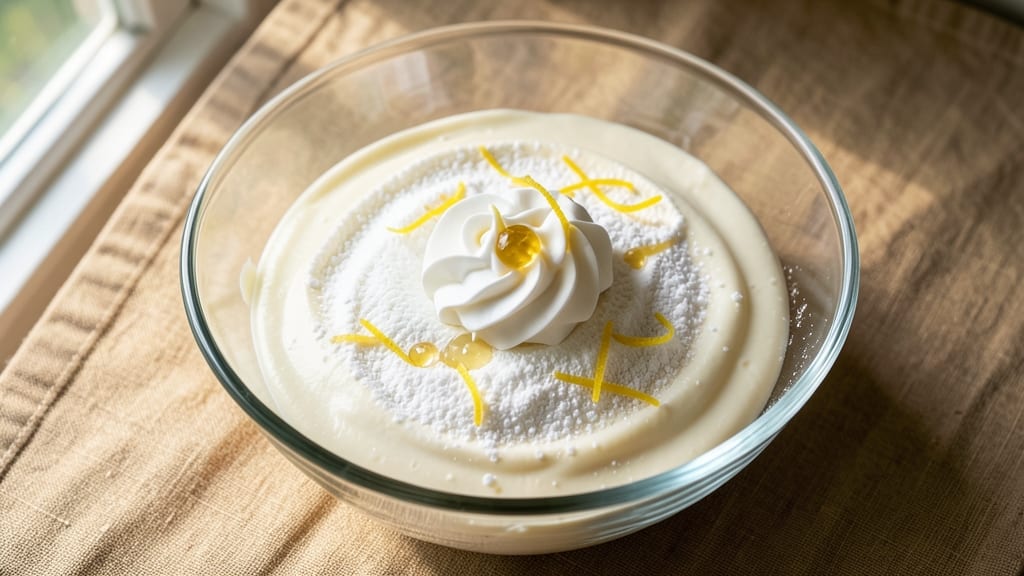
Mastering the Pioneer Woman sugar cookie icing recipe transforms ordinary cookies into edible works of art—whether you're piping delicate lacework or flooding cookies for smooth, glossy finishes.
This recipe delivers precision through two versatile formulas: a sturdy royal icing for intricate designs and a velvety buttercream for bold, creamy coverage, both built on exact measurements and professional techniques.
The secret lies in the ratio of powdered sugar to liquid—3 cups powdered sugar to 1 tablespoon meringue powder creates royal icing that's thick enough to hold its shape yet smooth enough to pipe fine details.
For buttercream, 1 cup softened butter blended with 4 cups powdered sugar yields a spreadable consistency perfect for flooding cookies or creating textured borders.
Both versions incorporate vanilla extract and lemon juice for balance, but you can easily adapt flavors with almond extract, citrus zest, or even peppermint for seasonal twists.
What sets this icing apart is its foolproof stability—no lumps, no graininess, and no unexpected spreading. The meringue-based royal icing sets in 15 minutes for outlines or 2 hours for complete flooding, while the buttercream stays pliable for 30 minutes at room temperature.
Whether you're decorating holiday cookies or practicing piping techniques, these formulas ensure professional results every time.
For advanced decorators, this recipe includes optional food coloring adjustments and piping tip guides, while beginners will appreciate the fail-safe consistency tests to achieve the perfect texture. Let's get started on creating icing that elevates your sugar cookies from homemade to showstopping.
Ingredients for pioneer woman sugar cookie icing
Seven essential ingredients create two showstopping icings—royal for precision, buttercream for bold flavor.
| Ingredient | Amount | Notes |
|---|---|---|
| Confectioners' Sugar (Powdered Sugar) 🍚 | 7 cups | Sifted for smooth texture |
| Meringue Powder (Dry) 🥚 | 2 tbsp | For royal icing stability |
| Unsalted Butter 🧈 | 1 cup | Softened to room temperature |
| Pure Vanilla Extract 🌿 | 2 tsp | High-quality for flavor depth |
| Fresh Lemon Juice 🍋 | 1 tbsp | Brightens flavor balance |
| Heavy Whipping Cream 🥛 | ¼ cup | Optional for buttercream richness |
| Food Coloring (Optional) 🎨 | 1 tsp | Gel-based for vibrant colors |
| Corn Syrup (Optional) 🍯 | 1 tbsp | For royal icing flexibility |
The powdered sugar is non-negotiable—Domino brand is my go-to for its ultra-fine texture, but Cake Decorating Sugar from specialty stores is worth the splurge for professional results. Meringue powder (like Royal Icing Mix) transforms this into royal icing that holds its shape, while buttercream gets its structure from softened European-style butter (like Plugrá or Miyoko's). For the vanilla, Heinz Pure or McCormick Pure extract delivers consistent quality—no imitation extracts here. The lemon juice? Fresh-squeezed makes all the difference (the bottled stuff tastes artificial).
No meringue powder? 1 egg white plus 1 tbsp corn syrup mimics its effect, though texture won't be identical. Buttercream without butter? Cream cheese or shortening works, but you'll lose that silky mouthfeel. For royal icing, corn syrup is key—it prevents cracking when flooding cookies. Food coloring? Gel-based (like Wilton) keeps colors vibrant without thinning the icing. Pro tip: Divide icing into small bowls before adding color to avoid cross-contamination.
Royal icing sets in 15-20 minutes for outlines, 2 hours for complete flooding—test with a drop in water first. Buttercream stays pliable for 30 minutes at room temperature, so work quickly. Store both in airtight containers with parchment between layers for up to 5 days. For long-term storage, freeze portions in 1-tbsp scoops—thaw at room temperature before use. The meringue-based icing freezes beautifully, while buttercream may separate slightly (just rewhip before using).
Why You'll Love This Recipe
- No-Fuss Whip: I mix this icing in my stand mixer while I sip coffee—just powdered sugar, meringue powder, and butter. No eggs to whisk to death, no waiting for royal icing to set. The meringue powder does all the heavy lifting, and honestly? I’ve made this while chatting with my neighbor on the porch.
- Citrus-Kissed Magic: That bright lemon juice cuts through the sweetness like a summer breeze. It’s not just vanilla—it’s got this zingy lift that makes every bite feel fresh, like biting into a cookie that was just baked in a sunlit kitchen. (Yes, even on a Tuesday night.)
- Holiday or Snack Attack: I’ve used this for Christmas trees, birthday cakes, and even slathered it on store-bought cookies for a last-minute playdate treat. The texture stays smooth whether you pipe it or spread it—no crumbly mess, no sticky disaster. My kids don’t care if it’s fancy; they just love the taste.
- Lasts Without Waste: A single batch covers three dozen cookies, and the leftovers keep in an airtight container for weeks. No freezer burn, no sad, dried-out icing—just pure, buttery sweetness whenever I need it. Between us, I’ve saved money by making this instead of buying pre-made, and it’s always better.
Step-by-step instructions for royal icing mastery
Here's how to create the perfect royal icing—smooth, stable, and ready for flawless decorating every time.
Whip the Buttercream Base
In a stand mixer fitted with the paddle attachment, beat the 1 cup unsalted butter on medium speed until completely smooth and creamy, about 3-4 minutes. This ensures no graininess remains in your final icing. The butter should look like pale, fluffy whipped cream at this stage.
Add the 2 tsp pure vanilla extract and 1 tbsp fresh lemon juice to the butter mixture. Beat on medium-high speed for 1-2 minutes until fully incorporated. The lemon juice brightens the flavor while preventing the butter from becoming too rich—trust me, this makes a noticeable difference in the final taste.
Sift and Incorporate the Dry Ingredients
In a separate bowl, sift together the 7 cups confectioners' sugar and 2 tbsp meringue powder. This sifting step is non-negotiable—it eliminates lumps and ensures your icing will be silky smooth. The meringue powder is what gives royal icing its signature stability and shine.
With the mixer running on low speed, gradually add the sifted powdered sugar mixture to the butter base. Scrape down the sides of the bowl as needed to prevent any dry ingredients from settling. Once fully combined, increase the speed to medium-high and beat for 3-4 minutes until the icing is completely smooth and glossy.
Add Optional Ingredients for Customization
If using, incorporate the 0.25 cup heavy whipping cream now for a richer, more spreadable buttercream consistency. Beat on medium speed for 1-2 minutes until fully blended. This addition creates a beautiful, velvety texture perfect for filling cookies or creating smooth borders.
For royal icing, add the 1 tbsp corn syrup (if using) and mix on low speed for 30 seconds to adjust consistency—this helps create that perfect balance between stiffness and flexibility for piping. If you're adding 1 tsp food coloring, divide the icing into separate bowls before coloring to create vibrant, even hues without contamination.
Test and Adjust Consistency
Transfer a small amount of icing to a piping bag fitted with a small round tip. Pipe a thin line onto parchment paper—if it holds its shape but still flows slightly, you're ready. For thicker consistency (ideal for outlines), add 1-2 tbsp more confectioners' sugar and mix briefly. For thinner consistency (perfect for flooding), add 1 tsp water at a time until you reach the desired flow.
This is where precision matters most. The ideal royal icing should spread smoothly when flooded but still hold its shape when piped. Test on a practice cookie if needed—this step prevents frustration when decorating your final masterpiece. Let the icing rest for 10 minutes before using to allow any slight thickening to stabilize.
Prepare for Decorating
Return the icing to the mixer and beat briefly on low speed to ensure a uniform texture. Divide into piping bags or squeeze bottles for easy decorating. For best results, work in a cool, dry environment—humidity can affect the icing's drying time and stability.
Now you're ready to create stunning designs. Remember, the key to perfect royal icing is patience—allow each layer to dry completely before adding details. This method delivers professional-quality results that will make your sugar cookies look like they came straight from a bakery window.
Pro Tips For Making Pioneer Woman Sugar Cookie Icing
- Sift the Sugar: Meringue powder and powdered sugar clump like stubborn guests at a wedding—skip the sifting, and you’ll end up with lumps in your icing. Use a fine-mesh sieve or just shake the bag vigorously before measuring, then sift directly into your mixing bowl. I learned this the hard way after scraping out three batches of gummy icing.
- Soften Butter First: Cold butter from the fridge will leave you with a grainy, lumpy mess. Let your butter sit at room temperature for 20-30 minutes until it’s soft but not melted—press your finger into it, and it should dent slightly. This recipe relies on that creamy texture to emulsify properly, so don’t rush it.
- Measure Lemon Juice Precisely: Fresh lemon juice is brighter than bottled, but too much turns your icing sour. Use a kitchen scale or a measuring spoon—1 tablespoon is enough for this recipe. I was skeptical until I tried it: the right amount adds brightness without overpowering the vanilla.
- Mix Low and Slow: Beat the icing on medium-low speed until smooth—high speed just whips in air and makes cleanup a nightmare. Start with a paddle attachment, then switch to the whisk attachment for the final few minutes to get that silky consistency. Sounds weird, but it works: your icing will be glossy, not greasy.
Regional styles of this dish
Midwestern Buttercream
The classic Midwestern buttercream is all about simplicity and richness—perfect for flooding cookies or creating bold borders. This version swaps royal icing’s precision for a creamy, spreadable texture using 1 cup softened butter and 4 cups powdered sugar, plus 1 tsp vanilla and 1 tbsp milk for smoothness.
I like adding ½ cup powdered sugar at a time to avoid overmixing, which can trap air and make the icing too light. For extra flair, fold in 2 tbsp powdered sugar-dyed sprinkles or crushed peppermint for a festive touch. 🧈
Southern Citrus Flood
In the Southern states, sugar cookie icing often incorporates bright citrus flavors to cut through the richness. This variation uses 3 cups powdered sugar, ½ cup royal icing, and 1 tbsp fresh orange zest for a zesty kick.
The lemon juice in the base is doubled to 2 tbsp, and 1 tsp almond extract adds depth. For a glossy flood, thin with 1 tsp water until it reaches a syrup-like consistency.
This icing is ideal for open-faced cookies or layered designs where acidity balances sweetness. 🍋
Pacific Northwest Spiced
The Pacific Northwest loves warm spices in its desserts, and this icing is no exception. Replace vanilla with 1 tsp cinnamon and ½ tsp cardamom, then add 1 tbsp maple syrup for moisture.
For a buttercream twist, beat in 2 tbsp brown sugar and 1 tsp bourbon (optional) for a caramelized depth. This icing works beautifully for holiday cookies or gingerbread-inspired designs, offering a cozy, aromatic profile that pairs perfectly with dark chocolate dipping sauces. 🌲
New England Clove & Orange
Inspired by New England’s love of bold, aromatic flavors, this icing combines royal icing’s stability with clove and orange for a festive touch.
Mix 3 cups powdered sugar, 1 tbsp meringue powder, and 1 tsp ground cloves into the base, then add 1 tbsp orange liqueur (like Cointreau) for brightness. The result is a thick, pipeable icing perfect for intricate snowflake patterns or holiday borders.
For extra shine, brush the finished cookies with edible gold leaf. 🎄
Texas-Style Cinnamon Sugar
Texas takes a bold approach to icing, often coating cookies in a cinnamon-sugar glaze before decorating. Start with the buttercream base, then mix in ½ cup cinnamon sugar (equal parts powdered sugar and cinnamon) until fully combined.
For a glossy finish, brush the icing over warm cookies and sprinkle with extra cinnamon sugar while still tacky. This style is perfect for rustic, hand-painted designs or drizzled textures, adding a warm, spiced kick that’s quintessentially Texan. 🌶️
California Citrus White
California’s sunshine-inspired icing leans into bright, fresh flavors with a white chocolate twist. Replace butter with ½ cup melted white chocolate, then add 1 tsp lemon zest and 1 tbsp lime juice for a tangy contrast.
The icing is thicker than royal icing but thinner than buttercream, making it ideal for drip effects or smooth, glossy floods. For a modern touch, pipe swirls or geometric patterns with a large star tip. Pair with fresh berries for a spring or summer dessert. 🍊
Nutrition facts
Frequently asked questions
Why does my royal icing turn grainy?
Graininess happens when powdered sugar isn't properly sifted or mixed. Always sift the 7 cups powdered sugar with 2 tbsp meringue powder before adding to the butter mixture. If grainy spots appear, beat the icing again on high speed for 1-2 minutes—this breaks up any lumps. For extra smoothness, strain through a fine-mesh sieve before piping.
Can I make this icing without meringue powder?
Yes! Replace 2 tbsp meringue powder with 1 large egg white plus 1 tbsp corn syrup. Whip the egg white to stiff peaks first, then gradually add the powdered sugar while mixing. The texture won't be identical—it'll be slightly less stable—but it works for flooding cookies. For piping, add ½ tsp more corn syrup to improve flexibility.
How do I get sharp piping lines with royal icing?
Use a small round tip (like Wilton #2) and pipe very slowly, applying gentle pressure. Keep the icing at 65-70°F room temperature for best results—too cold and it stiffens, too warm and it spreads. For extra sharpness, chill the piping bag in the fridge for 10 minutes before using. Let outlines dry completely (about 15 minutes) before adding details.
Why did my buttercream separate?
Separation happens when butter isn't softened enough or ingredients aren't mixed thoroughly. Ensure your 1 cup butter is at room temperature (pressable but not melted). Beat on medium-high speed for 3-4 minutes when combining with powdered sugar. If it separates after mixing, rewarm slightly and rewhip until smooth. For prevention, add 1 tbsp milk to help emulsify.
Can I use this icing for cake decorating?
The buttercream version works beautifully for cakes, while royal icing is perfect for intricate cake details. For cakes, add ½ cup heavy cream to the buttercream for extra stability. For royal icing, increase the powdered sugar to 8 cups for a thicker consistency ideal for cake borders. Test on a small area first—cake surfaces absorb differently than cookies.