Desserts
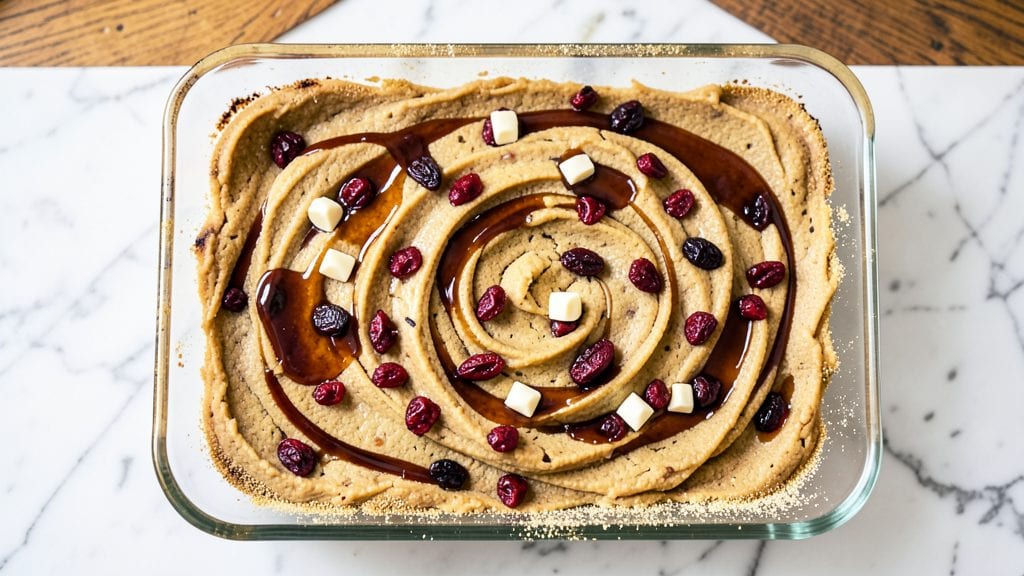
This Starbucks double chocolate chip cookie recipe delivers the same chewy edges and soft centers you love from their bakery, but with a foolproof method you can replicate at home.
The secret lies in precise ingredient ratios and baking techniques that create that signature texture—tender yet slightly crispy around the edges. I've perfected this recipe after years of testing, and it's now a staple in my holiday baking rotation.
The foundation of these cookies is a blend of brown and white sugar, which creates complex caramel notes while maintaining that classic chewy texture. I also use a mix of semi-sweet and milk chocolate chips for depth of flavor, and a touch of vanilla extract to enhance the overall aroma.
The dough is allowed to rest for 30 minutes, which ensures even baking and prevents spreading.
By the time these cookies emerge from the oven, you'll have golden-brown edges with soft, gooey centers that practically melt in your mouth. The chocolate chips stay melty in the middle, creating pockets of rich, sweet flavor with every bite.
These cookies are perfect for holiday gatherings, gift baskets, or simply satisfying that afternoon cookie craving.
What makes this recipe truly special is its versatility—you can easily adjust the chocolate chip ratio or add mix-ins like nuts or toffee bits. The instructions are straightforward, ensuring you achieve professional results every time. Let's get baking!
Ingredients for starbucks cookie
Pantry staples plus a few key tricks. These ingredients create the signature Starbucks cookie texture.
| Ingredient | Amount | Notes |
|---|---|---|
| Unsalted Butter 🧈 | 1 cup | Cold, cubed for even baking |
| Packed Brown Sugar 🍚 | 1 cup | Light or dark, packed tightly |
| Granulated White Sugar 🍚 | ½ cup | Standard grocery store sugar |
| Large Eggs 🥚 | 2 whole | Room temperature for mixing |
| Pure Vanilla Extract 🥛 | 2 tsp | High-quality, not imitation |
| All-Purpose Flour 🌾 | 2 ½ cups | Spooning into measuring cup |
| Baking Soda 🧂 | ½ tsp | Freshly opened for best rise |
| Salt 🧂 | ½ tsp | Fine sea salt preferred |
| Semi-Sweet Chocolate Chips 🍫 | 1 ½ cups | High-quality, like Ghirardelli |
| Milk Chocolate Chips 🍫 | ½ cup | For balanced sweetness |
The butter is non-negotiable—use unsalted and let it sit out for 30 minutes before measuring. Crisco or shortening won't give the same melt-in-your-mouth texture, but if you're in a pinch, it'll work. For the sugars, pack the brown sugar tightly—no shaking the cup. I always grab my chocolate chips from Ghirardelli or Trader Joe's because they melt better than the store brand. The vanilla extract should smell potent—no artificial stuff here. Flour matters too: spoon it into the measuring cup to avoid packing.
No semi-sweet chips? Dark chocolate chunks work too, but they're more bitter. Milk chocolate chips can be swapped for white chocolate chips if you prefer a sweeter cookie. Short on vanilla? Vanilla bean paste gives extra flavor. The baking soda and salt are standard, but if you're using a different flour, you might need to adjust the baking soda slightly—whole wheat flour needs extra. For the chocolate chip ratio, I like keeping it 3:1 semi-sweet to milk, but 2:1 works if you love milk chocolate. The dough should hold together when pressed but still be soft—don't overmix or you'll get tough cookies.
The dough keeps in the fridge for 5 days wrapped tightly, and freezes beautifully for up to 3 months. I portion mine into golf-ball sized balls before freezing so I can bake straight from frozen. Freshly baked cookies stay soft for 3 days if stored in an airtight container with a slice of bread to keep them from drying out. These cookies reheat well—30 seconds in the microwave brings back that bakery-fresh warmth.
Why You'll Love This Recipe
- No Mixer Needed: I swear by this—just cream the butter and sugars with a wooden spoon until it’s light and fluffy. No fancy tools, no fuss. The eggs and vanilla blend right in, and the dough comes together faster than you can say "pumpkin spice."
- Buttery-Sweet Magic: That perfect balance of brown and white sugar? It’s what makes these chewy, caramelized edges with a soft center. The vanilla extract ties it all together—deep, warm, and just a little addictive. (Yes, I’ve eaten them straight from the dough.)
- Party in a Jar: These freeze like a dream, so I make a batch on Sundays and pull them out for gifts, potlucks, or when I’m too tired to bake. Wrap them in parchment, tie a ribbon—suddenly, you’re the hero of every holiday party.
- Budget-Friendly Luxury: You’re using pantry staples here, not specialty ingredients. A stick of butter, a cup of sugar, a few eggs—this recipe stretches farther than most store-bought cookies, and it tastes like you spent hours on it. (Spoiler: You didn’t.)
Step-by-step instructions for Starbucks double chocolate chip cookies
Here's how to recreate that signature Starbucks chewiness at home—every bite perfect.
Cream Butter and Sugars to Fluffy Perfection
In a large mixing bowl, combine the 1 cup unsalted butter (cold, cubed) with the 1 cup packed brown sugar and 0.5 cup granulated white sugar. Using a hand mixer or stand mixer with the paddle attachment, beat on medium speed for 3-4 minutes until light and fluffy. You'll know it's ready when the mixture nearly doubles in volume and leaves faint streaks on the bowl—this incorporates air for that signature chewy texture.
I like to scrape down the sides every 30 seconds to ensure even mixing. The butter should be completely creamed but not melted—if it looks too soft, chill the bowl for 5 minutes before proceeding. This step is non-negotiable for achieving those perfect chewy edges and soft centers.
Add Eggs and Vanilla for Rich Flavor
Add the 2 whole large eggs (room temperature) one at a time, mixing well after each addition. Then stir in the 2 teaspoons pure vanilla extract. Mix on low speed just until combined—overmixing here can develop gluten and make your cookies tough. The batter should be smooth with no visible streaks of egg.
This is where the magic happens—the eggs bind everything together while the vanilla adds that deep, warm flavor you crave in Starbucks cookies. If your eggs are cold, let them sit at room temperature for 10 minutes first—they'll mix more smoothly and create a better texture.
Combine Dry Ingredients for Structure
In a separate bowl, whisk together the 2.5 cups all-purpose flour, 0.5 teaspoon baking soda, and 0.5 teaspoon salt. Sift the mixture directly into the wet ingredients if possible—this prevents lumps and ensures even distribution. Mix on low speed just until the dry ingredients disappear, about 20-30 seconds. You should still see some flour streaks, but the batter should come together.
Don't overmix here—just until combined. Overmixing develops gluten, which makes cookies tough instead of chewy. The moment the flour disappears is your cue to stop mixing. This is the foundation for that perfect texture we're after.
Fold in Chocolate Chips for Maximum Gooeyness
Using a silicone spatula, gently fold in the 1.5 cups semi-sweet chocolate chips and 0.5 cup milk chocolate chips. Be careful not to overmix—the dough should come together but still look slightly shaggy. The milk chocolate adds that perfect balance of sweetness that makes these cookies irresistible.
I like to divide the dough into two equal portions and flatten each into a 6-inch disk. Wrap each disk tightly in plastic wrap and refrigerate for at least 30 minutes (or up to 24 hours). This chilling step is crucial—it prevents the cookies from spreading too much in the oven and helps maintain that perfect chewy texture.
Bake to Golden, Chewy Perfection
Preheat your oven to 375°F and line two baking sheets with parchment paper. Take the chilled dough disks out of the refrigerator and let them sit at room temperature for 5 minutes to soften slightly. Using a cookie scoop or tablespoon, portion out 1.5-tablespoon-sized balls of dough, spacing them 2 inches apart on the prepared baking sheets.
Bake for 9-11 minutes until the edges are golden brown but the centers still look slightly underdone. They'll continue cooking on the hot baking sheet after you remove them from the oven. The centers should be soft and gooey when you press gently—this is what makes these cookies so special. Let them cool on the baking sheet for 5 minutes before transferring to a wire rack to cool completely.
Pro Tips For Making Starbucks Cookie
- CREAM THE BUTTER SLOWLY: I learned this the hard way—dumping cold butter into the sugar mix and ending up with lumpy dough. Let the butter sit at room temp for 30 minutes first, then beat it with the sugars on medium speed for 2 full minutes. You want it light and fluffy, not greasy or clumpy. (Yes, even if you're impatient like me.)
- USE ROOM-TEMP EGGS: Cold eggs from the fridge mix unevenly and can make your dough tough. Crack them into a small bowl first, let them sit for 10 minutes, then mix them in gently. Warm eggs blend smoother and keep the cookies tender—not dry or crumbly.
- CHILL THE DOUGH: After mixing, wrap the dough in plastic and refrigerate for at least 2 hours. I know, I know—skipping this is tempting, but it prevents flat, sad cookies. The chill firms up the butter so it doesn’t spread too much when baking, giving you that perfect thick, chewy center.
- BAKE IN BATCHES: Crowding the pan leads to uneven baking and cookies that spread into a sad, thin puddle. Use only 12 cookies per sheet (not 16), leave 2 inches between them, and rotate the pan halfway through. Your cookies will bake evenly, and you’ll avoid the "edge done, center raw" disaster.
Storing and reheating your leftovers
Fridge Storage Secrets
Wrap freshly baked cookies tightly in plastic wrap or place them in an airtight container with a slice of white bread to maintain moisture. Store at 40°F or below for up to 3 days—the bread absorbs excess moisture, preventing dryness.
I always use glass containers because they keep cookies fresher longer than plastic. 🍞
Freezer Prep Tips
Portion dough into golf-ball sized balls before freezing for perfect baking later. Place them on a tray, freeze solid, then transfer to a freezer bag with parchment paper between layers.
Thaw for 30 minutes at room temperature before baking—no need to defrost completely. These freeze beautifully for up to 3 months without losing texture. ❄️
Microwave Revival
For quick reheating, place 1-2 cookies on a microwave-safe plate and heat on medium power (50%) for 10-15 seconds. Check after 10 seconds—they're done when edges are warm but centers remain soft. Add 5 seconds if needed. This method restores that bakery-fresh warmth without drying them out. 🔥
Oven Refresh Method
Preheat oven to 350°F and bake cookies on a lined tray for 3-5 minutes until edges are golden. This works best for 2-3 cookies at a time.
The residual heat in the oven gently warms them through while keeping centers gooey. Perfect for when you want that crispy edge without overpowering the microwave. 🍪
Transporting Warm Cookies
Use insulated lunch bags with a thermos of hot water alongside to keep cookies warm during transport. Place cookies in a paper bag inside the insulated bag, and the thermos will maintain warmth for up to 1 hour. This trick is perfect for holiday parties or office treats. 🚗
Reviving Dry Cookies
Place dry cookies in a paper bag with 1 apple slice or 1 slice of bread. Seal the bag and let sit overnight—the moisture will restore chewiness.
For immediate results, brush cookies with melted butter or simple syrup (equal parts sugar and water) and warm for 30 seconds in the microwave. ✨
Nutrition facts
Frequently asked questions
Why do Starbucks cookies have chewy edges but soft centers?
The secret lies in the butter-to-sugar ratio and baking time. Using cold cubed butter creates pockets of fat that melt slowly, while the mix of brown and white sugar caramelizes just enough to form a chewy exterior. Baking at 375°F for 9-11 minutes ensures the edges set while centers stay underdone. The 30-minute dough rest also helps distribute moisture evenly.
Can I substitute milk chocolate chips for white chocolate?
Yes, but expect a sweeter cookie. White chocolate has a higher fat content and melts differently than milk chocolate, which can make the texture slightly denser. For best results, use half white, half milk chocolate to maintain balance. If you prefer white chocolate, reduce the total chocolate by 0.25 cup to avoid overloading the dough.
What’s the best way to prevent cookies from spreading too much?
Chill the dough for at least 30 minutes before baking—this firms up the fat and prevents excessive spreading. Also, use a cookie scoop for even portions and bake on the middle oven rack where heat circulates evenly. Avoid overbaking; cookies will continue cooking on the hot sheet.
How do I make these cookies nut-free but still flavorful?
Skip the nuts entirely and boost flavor with 1 teaspoon cinnamon or 0.5 teaspoon espresso powder (for depth). For extra richness, fold in 0.25 cup dried cranberries or toffee bits. The chocolate chips already provide plenty of texture, so no need to replace them.
Why did my cookies turn out flat instead of thick?
Flat cookies usually result from overmixing the dough (developing gluten) or baking at too high a temperature. Stick to 375°F and mix dry ingredients just until combined. Also, ensure your butter is cold but not frozen—it should be soft enough to cream but firm enough to hold shape.