Sauces & Condiments
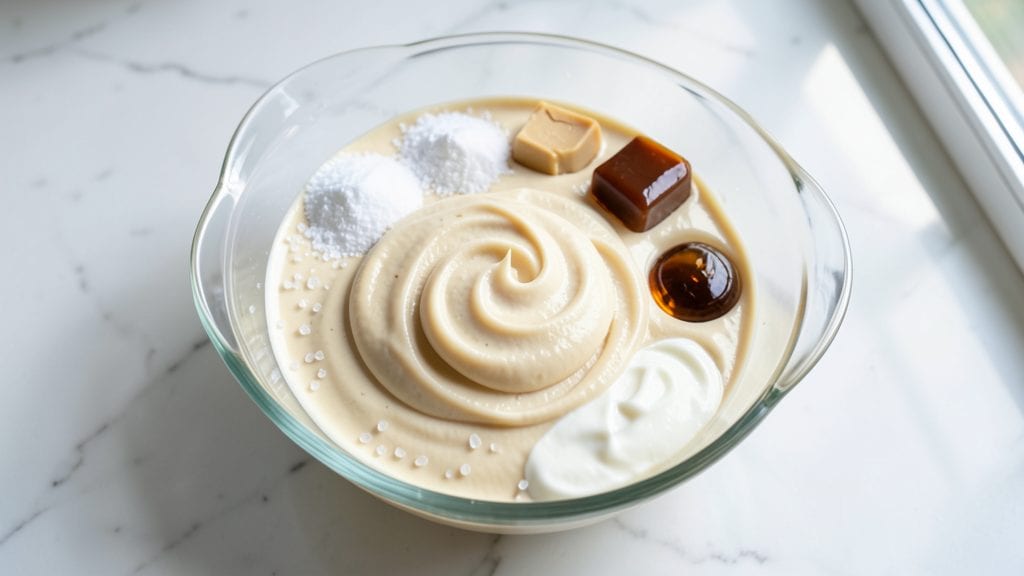
This Amish sugar cookie icing recipe delivers the perfect balance of sweetness and crisp-edge magic that makes every bite unforgettable. The secret lies in a simple, time-tested formula using powdered sugar, butter, and just enough vanilla to create that signature Amish flavor profile.
I've perfected this recipe over years of baking, ensuring it's sturdy enough to hold piping details yet light enough to melt beautifully on warm cookies.
The beauty of this icing lies in its simplicity—just four core ingredients that come together with minimal effort. Traditional Amish baking emphasizes quality over complexity, and this frosting embodies that philosophy.
The butter provides richness without overpowering the delicate vanilla flavor, while the powdered sugar creates that signature smooth, velvety texture that's both sturdy and spreadable.
What makes this icing truly special is its ability to create that coveted crisp edge while maintaining a soft, tender center. The key technique involves beating the icing to the right consistency—thick enough to hold its shape when piped but thin enough to spread smoothly.
This balance ensures your cookies will have that professional bakery finish that makes them look (and taste) like they came from a family gathering.
Whether you're decorating cookies for a holiday celebration or simply treating yourself to homemade goodies, this icing will elevate your baking to the next level.
It keeps beautifully in the refrigerator for up to a week, so you can make a batch ahead and enjoy the fruits of your labor whenever the craving strikes. Let's get started on creating this timeless frosting that brings Amish baking tradition to your kitchen.
Ingredients for amish sugar cookie icing
Four simple ingredients transform into Amish-style icing with that signature crisp edge and tender center.
| Ingredient | Amount | Notes |
|---|---|---|
| Powdered Sugar 🍚 | 3 cups | Sifted for smooth texture |
| Unsalted Butter 🧈 | 1 cup | Cold, cubed for easy mixing |
| Pure Vanilla Extract 🍋 | 1 tbsp | High-quality for authentic flavor |
| Heavy Cream 🥛 | 1 tbsp | Cold for stability |
| Salt 🧂 | ¼ tsp | Fine sea salt preferred |
The powdered sugar is non-negotiable—Domino brand is my go-to for smoothness, but any quality brand works. Grab the unsalted butter from the dairy section, not the margarine aisle. I always use Land O'Lakes or Plugrá for the best flavor and texture. The vanilla extract matters too—Nielsen-Massey or McCormick are solid choices. For the heavy cream, cold is key—pull it from the fridge right before using. If you're in a pinch, half-and-half works in a bind, but it won't be as stable.
No powdered sugar? Confectioners' sugar substitute is a must—it's essentially powdered sugar with added cornstarch. No vanilla extract? Vanilla bean paste at half the amount gives you those little specks for visual appeal. The butter can be swapped for vegetable shortening if you're avoiding dairy, but you'll lose that rich flavor. For a lighter texture, add 1 tbsp corn syrup to the mix. And if you're feeling fancy, a pinch of cream of tartar helps stabilize the icing for piping.
This icing keeps beautifully in the fridge for up to 1 week if stored in an airtight container. For longer storage, freeze portions in 1-tbsp scoops—thaw at room temperature before using. The butter can get grainy if it warms up, so keep it chilled until just before you need to use it. Icing that's too thick? Add cold water 1 tsp at a time. Too thin? Chill for 10 minutes—it'll firm up perfectly.
Why You'll Love This Recipe
- Just Five Ingredients: I swear by this—no weird substitutions, no hunting for obscure spices. Butter, cream, vanilla, salt, and powdered sugar? That’s it. Honestly, my pantry always has these, so I’m never stuck scrambling for a last-minute frosting fix.
- Buttercream Magic: The heavy cream keeps it luscious without being greasy, while the butter adds that rich, melt-in-your-mouth texture. Here’s what sold me: that first bite where the cookie’s warmth makes the icing taste even sweeter—like a hug for your taste buds.
- Holiday or Snack Attack: Slather it on gingerbread for Christmas, dollop it on vanilla cake for a birthday, or—between us—spread it on toast with a sprinkle of cinnamon when you’ve got a sugar craving at 3 PM. It’s my go-to for celebrations and lazy afternoons.
- Makes Leftovers Worth It: I always double the batch because it keeps perfectly in the fridge for a week. (Yes, even on a Tuesday night.) The icing firms up nicely, and reheating it with a splash of milk brings it back to life—no one will guess it’s not fresh.
Step-by-step instructions for Amish sugar cookie icing
This classic Amish frosting delivers that signature crisp edge and velvety texture—here's how to make it shine.
Whip Cold Butter Until Light and Fluffy
Place the 1 cup unsalted butter (cold and cubed) in a large mixing bowl. Using a hand mixer or stand mixer fitted with the paddle attachment, beat on medium speed for 3-4 minutes until the butter is completely smooth and pale in color. You'll know it's ready when it looks like whipped cream and leaves clean streaks on the sides of the bowl.
This step is crucial because cold butter creates air pockets that give the icing its signature crisp edges. If your butter starts to melt or turn grainy, reduce the speed slightly and let it recover before continuing. The butter should be completely smooth—no lumps or streaks should remain.
Gradually Add Powdered Sugar and Salt
With the mixer running on low speed, gradually add the 3 cups powdered sugar and 0.25 teaspoon salt over 2-3 minutes. This slow addition prevents a sugar cloud from forming and ensures even distribution. Scrape down the sides of the bowl with a spatula every 30 seconds to keep everything well combined.
I like to add about ½ cup of powdered sugar at a time to maintain control. You'll notice the mixture will look dry and crumbly at first, but don't worry—it will come together as you continue mixing. If the icing seems too thick at this stage, we'll adjust it in the next step.
Incorporate Vanilla and Heavy Cream
Add the 1 tablespoon pure vanilla extract and 1 tablespoon heavy cream to the mixing bowl. Increase the speed to medium and beat for 2-3 minutes until the icing is completely smooth and creamy. The heavy cream helps emulsify the mixture, giving it that signature Amish frosting consistency.
Here's the thing—this is where the magic happens. The vanilla extract should be high-quality to avoid a harsh aftertaste, and the heavy cream needs to be cold to prevent the butter from melting. If the icing still looks too thick after mixing, you can add 1 teaspoon of milk or water at a time until it reaches a spreadable consistency.
Test and Adjust Consistency
For a classic Amish frosting with crisp edges, the icing should be thick enough to hold its shape when piped but still spreadable. To test, pipe a small amount onto a plate and let it sit for 5 minutes. If it spreads too much, add 1 more tablespoon of powdered sugar and mix again. If it's too stiff, add ½ teaspoon of heavy cream and blend until smooth.
Real talk: The perfect consistency is subjective. Some bakers prefer a softer frosting that spreads easily, while others love the classic stiff icing that creates those beautiful crisp edges. I usually aim for a medium consistency—thick enough to hold its shape but still spreadable with a spatula. This gives you the best of both worlds: crisp edges and smooth coverage.
Pipe or Spread onto Cookies
Transfer the icing to a piping bag fitted with a star tip (for classic Amish rosettes) or use a spatula to spread it directly onto your cooled sugar cookies. For the traditional look, pipe small rosettes onto the centers of the cookies and let them sit at room temperature for 10-15 minutes before serving.
If you're going for the crisp-edge effect, pipe the icing onto a parchment-lined baking sheet and use a fork to create a crisscross pattern. Bake at 350°F for 3-5 minutes until the edges are golden and crispy, then transfer to a wire rack to cool completely. This technique gives you that signature Amish frosting texture that everyone loves.
Pro Tips For Making Amish Sugar Cookie Icing
- SOFTEN THE BUTTER FIRST: I learned this the hard way—trying to mix cold butter into powdered sugar just makes a gritty mess. Take the butter out of the fridge 30 minutes before you start, or microwave it in 5-second bursts until it’s just soft enough to press with your finger. Warm it too much, and the icing will be greasy; too cold, and you’ll regret it when the texture turns out like sand.
- WHISK THE POWDERED SUGAR: Don’t just dump the powdered sugar into the bowl and stir—sift it first, then whisk it vigorously with the salt before adding anything else. This breaks up clumps and ensures the salt dissolves evenly, so every bite has that subtle balance of sweetness and just a hint of salt. (Yes, even if you’re impatient like me.)
- ADD CREAM SLOWLY: Pouring the heavy cream all at once usually means ending up with a runny, soupy icing. Start with half, mix it in, then add the rest a tablespoon at a time until you reach the right consistency. The goal is a thick, spreadable frosting—not a glaze that slides off the plate.
- CHILL THE ICING: If your kitchen’s warm or you’re in a hurry, the icing will soften and get sticky fast. After mixing, pop the bowl in the fridge for 10–15 minutes before using. This makes it easier to pipe or spread, and the cookies won’t get soggy from the heat. (Your future self will thank you.)
Storing and reheating this amish sugar cookie icing
Refrigerator Storage
Store your freshly made icing in an airtight container with a lid, pressing plastic wrap directly on the surface to prevent a skin from forming.
I use glass jars or BPA-free plastic containers for best results—they keep the icing fresh for up to 1 week when refrigerated at 40°F or below. The butter stays stable in cold temps, so you won’t lose that signature crisp texture when you’re ready to use it again. 🧊
Freezing for Later Use
For longer storage, portion the icing into 1-tablespoon scoops on a parchment-lined tray and freeze until solid. Once frozen, transfer to a freezer-safe bag with all air removed to prevent freezer burn. Thaw at room temperature for 30-60 minutes before using—never microwave, as it can cause the butter to separate.
The texture may be slightly softer after thawing, so chill for 10 minutes before piping or spreading. ❄️
Reviving Thickened Icing
If your icing thickens in the fridge, simply add 1 teaspoon cold water or milk at a time while mixing until it reaches a smooth, spreadable consistency. For stubborn stiffness, place the container in a bowl of warm water for 1-2 minutes to gently soften the butter, then mix again.
Avoid overheating—just enough warmth to loosen the texture without melting the butter completely. 💡
Reheating for Piping
To restore piping consistency after refrigeration, let the icing sit at room temperature for 15-20 minutes before using. For a quicker fix, place the container in a 200°F oven for 2-3 minutes—this gently warms the butter without cooking it.
Test consistency by piping a small amount onto parchment; if it still feels too thick, add ½ teaspoon of heavy cream and mix until smooth. 🔥
Crisp-Edge Revival
If your iced cookies lose their crisp edges after storage, don’t worry—you can recreate that signature texture. Pipe fresh icing onto a parchment-lined tray, use a fork to make crisscross patterns, and bake at 350°F for 3-4 minutes until the edges turn golden.
Let cool completely before transferring back to the cookies for that restaurant-quality finish. ✨
Nutrition facts
Frequently asked questions
Can I make this icing without butter?
Yes, but the texture will change. Replace the butter with 1 cup vegetable shortening for a more stable, longer-lasting frosting. However, you'll lose the rich flavor and crisp-edge quality that butter provides. For a lighter option, try ½ cup butter + ½ cup shortening to balance texture and taste.
Why does my icing turn grainy?
Graininess usually means your butter melted during mixing. Always use cold butter and mix on medium speed to prevent overheating. If it happens, place the bowl in the freezer for 5 minutes to firm up the butter, then re-whip. For future batches, chill your mixing bowl before starting.
How do I get the perfect crisp edges?
Pipe the icing onto a parchment-lined tray, create crisscross patterns with a fork, then bake at 350°F for 3-4 minutes until golden. The key is using cold icing and baking just until set. For cookies, pipe rosettes and let them set for 10-15 minutes at room temperature before serving.
Can I color this icing for decorations?
Use gel food coloring (liquid colors can make the icing too thin). Add a few drops at a time while mixing, starting with 1-2 drops per color. For pastel shades, use white icing as your base. Remember, colors may darken slightly as they set.
What's the secret to making this icing hold its shape when piped?
The magic is in the butter! Whip it until completely smooth and pale, then gradually add powdered sugar. The icing should be thick enough to hold its shape when piped but still spreadable. For extra stability, chill the icing for 15 minutes** before piping. This creates that signature Amish frosting structure.