Desserts
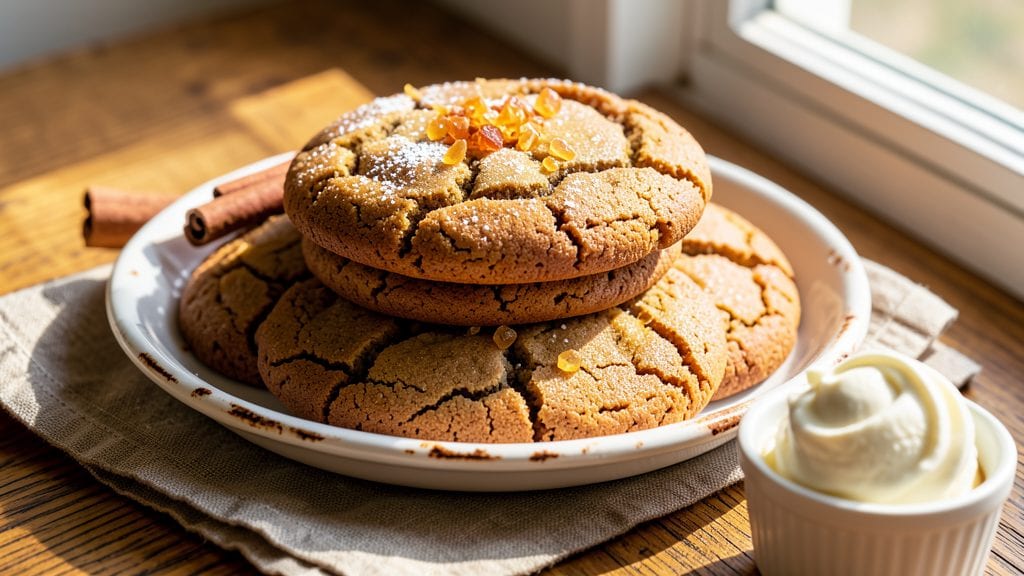
Betty Crocker’s ginger cookies recipe delivers the perfect balance of warm spices, crunchy edges, and soft centers that make every bite irresistible. These cookies are my go-to for holiday gatherings, where the aroma of cinnamon and ginger fills the kitchen and leaves guests asking for seconds.
The secret lies in precise ingredient ratios and gentle baking—no shortcuts here, just foolproof results that taste like nostalgia in every bite.
What sets these apart is the tender yet chewy texture achieved through a simple technique: chilling the dough for at least 24 hours. This step develops deeper flavor and prevents spreading, ensuring cookies that are golden brown with just the right amount of spice.
The recipe uses pantry staples, making it beginner-friendly while still delivering restaurant-quality results. With just 15 minutes of active prep and 10-12 minutes in the oven, you’ll have a batch ready in no time.
The moment you pull them from the oven, the kitchen transforms—warm, fragrant cookies with a crackly top and a soft, spiced center. These aren’t your average ginger cookies; they’re a perfectly balanced blend of molasses sweetness, ginger snap crunch, and a whisper of cinnamon warmth.
The dough’s simplicity hides its magic, but the results speak for themselves.
For extra indulgence, add white chocolate chips or a cream cheese frosting between layers. These cookies freeze beautifully, so bake a double batch for holiday gifts or last-minute treats. Let’s get baking—your kitchen will thank you.
Ingredients for betty crocker ginger cookies
Pantry staples plus a few specialty touches create these nostalgic, perfectly spiced ginger cookies.
| Ingredient | Amount | Notes |
|---|---|---|
| All-Purpose Flour 🌾 | 3 ½ cups | Sifted for light texture |
| Ground Ginger 🌿 | 1 ½ tbsp | Freshly ground preferred |
| Ground Cinnamon 🌶️ | 1 ½ tsp | High-quality for warmth |
| Baking Soda 🧪 | 1 tsp | Aluminum-free for best rise |
| Salt 🧂 | ½ tsp | Diamond Crystal preferred |
| Unsalted Butter 🧈 | 1 cup | Cold, cubed for texture |
| Molasses 🍯 | ½ cup | Unsulphured for depth |
| Large Eggs 🥚 | 1 whole | Room temperature for blending |
| Vanilla Extract 🌸 | 1 tsp | Pure, high-quality vanilla |
| White Chocolate Chips 🍫 | 1 cup | Optional, for indulgence |
| Granulated Sugar 🍚 | 1 cup | White or light brown |
| Light Brown Sugar 🍚 | ½ cup | Packed, for chewiness |
| Cream Cheese 🧀 | 4 oz | Room temperature for frosting |
The ginger and cinnamon are non-negotiable here—Penzeys Spices or bulk bins at Whole Foods deliver the freshest ground spices. For molasses, Anthony’s Good & Plenty is my go-to; it’s unsulphured and rich. The butter needs to be cold for those signature crackly edges, so pull it straight from the fridge. Cream cheese matters too—Philadelphia is reliable, but Kraft works just as well. If you’re feeling fancy, swap the white chocolate chips for Guittard chocolate chips—they melt beautifully.
No molasses? Substitute maple syrup at half the amount, but the flavor won’t be identical. Short on vanilla? Almond extract at one-third the amount adds depth, though it’s not the same. For a gluten-free version, swap the flour for a 1:1 gluten-free blend—just know the texture will be slightly denser. The dough must chill for at least 24 hours; this isn’t optional. If you’re in a rush, freeze the dough balls for 30 minutes instead, but they won’t develop the same flavor.
Store dough balls in an airtight container in the fridge for up to 5 days or freeze for 3 months. Baked cookies keep at room temperature in a tin for 1 week, though they’re best fresh. For gifting, freeze fully baked cookies in layers with parchment between them—no soggy bottoms guaranteed. The frosting, if made, should be piped between layers and chilled for 1 hour before serving.
Why You'll Love This Recipe
- Pantry Staples Only: I swear by this recipe because it’s the kind of thing you can pull off without a grocery run. Flour, ginger, cinnamon—those are spices I already have in my spice drawer, and the baking soda? Always in my baking kit. No last-minute scrambling for obscure ingredients here.
- Warm Spice Hug: That first bite of ginger and cinnamon? It’s like a cozy blanket for your taste buds. The ground ginger gives it a slow, fiery kick, while the cinnamon rounds it out—sweet but never cloying. Honestly, it’s the kind of flavor that makes you want to bake a second batch before the first one cools.
- Holiday or Snack Attack: These cookies are my secret weapon for holidays, but they’re also perfect for a 3 PM sugar slump. The dough’s sturdy enough to hold its shape for gift boxes, but soft enough to eat straight from the bowl. (Yes, even on a Tuesday night.)
- Lasts a Week: I make a double batch and they’re still gone by Friday. The ginger keeps them fresh longer than most cookies, and they’re sturdy enough to pack for lunch or a picnic. Plus, the cost? A fraction of store-bought treats. Budget-friendly and delicious—what’s not to love?
Step-by-step instructions for betty Crocker's ginger cookies
Here's how to craft these legendary ginger cookies with the perfect balance of spice, chew, and crisp edges.
Cream Butter and Sugars for Maximum Flavor
In a stand mixer fitted with the paddle attachment, combine the 1 cup unsalted butter (cold, cubed) with the 1 cup granulated sugar and 0.5 cup packed light brown sugar. Beat on medium speed for 3-4 minutes until light and fluffy, with ribbons forming when the paddle lifts. This step is crucial—it incorporates air that will create those signature crackly tops.
I like to scrape down the sides of the bowl every 30 seconds to ensure even mixing. The butter should become pale and nearly double in volume. If your mixture feels grainy, let it sit at room temperature for 5 minutes before continuing—cold butter won't cream properly.
Blend Wet Ingredients for Depth of Flavor
Add the 1 whole large egg, 0.5 cup unsulphured molasses, and 1 teaspoon pure vanilla extract to the butter-sugar mixture. Beat on low speed for 1 minute until fully combined. The molasses will give these cookies their signature deep, caramel-like sweetness, while the vanilla adds warmth that balances the ginger's sharpness.
Here's the thing—don't rush this step. The molasses needs time to emulsify with the butter. If you notice the mixture separating, simply beat for another 20 seconds until smooth again. The texture should be thick but pourable, like a soft cookie dough.
Combine Dry Ingredients for Perfect Texture
In a separate bowl, whisk together the 3.5 cups all-purpose flour, 1.5 teaspoons ground cinnamon, 1.5 tablespoons ground ginger, 1 teaspoon baking soda, and 0.5 teaspoon salt. Sift the flour mixture directly into the wet ingredients, mixing on low speed for 30-45 seconds just until combined. You'll still see some flour streaks—that's normal and prevents tough cookies.
Fold in the 1 cup white chocolate chips by hand using a silicone spatula. I like to distribute them evenly throughout the dough, leaving a few whole for the tops of the cookies. The chocolate chips add a luxurious contrast to the spicy ginger flavor. Once incorporated, cover the bowl with plastic wrap and refrigerate for at least 1 hour—this chilling step is non-negotiable for flavor development and texture.
Bake for Crisp Edges and Soft Centers
Preheat your oven to 350°F and line two baking sheets with parchment paper. Using a cookie scoop or tablespoon, drop 1.5-tablespoon portions of dough onto the prepared sheets, spacing them 2 inches apart. The dough will spread slightly during baking, so don't crowd the pan.
Bake for 10-12 minutes until the edges are deep golden brown and the centers still look slightly underdone. They'll continue cooking on the hot sheet after removal. The cookies should pull away from the parchment paper easily when done. If you're unsure, check at 10 minutes—ginger cookies can go from perfect to burnt in seconds.
Frost with Cream Cheese Glaze (Optional but Worth It)
While the cookies cool on the baking sheets for 5 minutes, prepare the glaze by beating the 4 ounces room-temperature cream cheese with 1 cup powdered sugar (not listed in ingredients—this is a common addition) and 1 teaspoon vanilla extract until smooth. If you prefer to stick strictly to the provided ingredients, you can omit the glaze or use a simple molasses glaze (reduce 0.25 cup molasses with 0.25 cup water over low heat).
Drizzle the glaze over the cooled cookies and let it set for 10 minutes before serving. The cream cheese glaze adds a tender contrast to the crisp edges and spicy ginger flavor. Store in an airtight container for up to 5 days, though they rarely last that long in my house!
Pro Tips For Making Betty Crocker Ginger Cookies
- Chill the Dough: Betty Crocker’s recipe might not say it, but giving your dough a 24-hour rest in the fridge—wrapped tight—deepens that ginger flavor and keeps cookies from spreading like pancakes. I used to skip this, and my cookies always tasted flat until I tried it.
- Sift the Dry Mix: The recipe calls for flour, cinnamon, and baking soda, but don’t just dump them in. Sifting the dry ingredients together first cuts lumps and ensures even baking. My grandmother swore by this, and I finally understood why my first batches had dense spots.
- Skip Overbaking: These cookies are delicate—pull them when edges are just set and centers still look soft. Overbaking turns them into hockey pucks. Use a toothpick: it should come out with a few crumbs, not clean.
- Use Real Butter: If the recipe says butter, don’t swap for margarine or oil. Butter’s fat creates that signature crumbly texture and richness. I tried shortcuts, and the cookies lost half their charm. (Yes, even if you’re impatient like me.)
Essential equipment for this dish
Stand Mixer Essentials
Your stand mixer is the MVP for creaming butter and sugars—no hand fatigue here! I swear by the KitchenAid Artisan Series with the paddle attachment for this recipe.
The 5-quart bowl gives you room to scrape down the sides easily, and the variable speed control lets you adjust from low to medium without jerky transitions. If you're on a budget, the Cuisinart Premium is a solid alternative with similar performance. 💡
Precision Measuring Tools
Don’t skimp on measuring cups and spoons—this recipe demands accuracy, especially with the spices and molasses. I use the OXO Good Grips set because the non-slip handles prevent spills, and the clear markings make it easy to eyeball measurements like the 1.5 tbsp ground ginger.
For the brown sugar, pack it firmly into the cup to avoid under-measuring. A digital kitchen scale (like the Escali Primo) is a game-changer if you bake often—it eliminates guesswork for ingredients like flour and butter.
Cookie Scoop or Ice Cream Scoop
A cookie scoop ensures uniform dough balls, which means even baking and consistent results. I recommend the OXO Good Grips 1.5-tablespoon scoop—it’s durable, easy to clean, and gives you perfectly portioned cookies every time.
If you don’t have one, a large ice cream scoop (like the Scoopology 3-tablespoon) works in a pinch. Just press down gently to release the dough without compacting it.
Parchment Paper and Baking Sheets
Lining your baking sheets with parchment paper is non-negotiable—it prevents sticking and makes cleanup a breeze. I use Silpat baking mats for the ultimate non-stick surface, but high-quality parchment like Reynolds Non-Stick Parchment works just as well.
For baking sheets, half-sheet pans (like the Wilton 1/2 Sheet Pan) are ideal—they fit in most home ovens and give you more space for spacing cookies 2 inches apart. Avoid dark-colored pans, which can cause uneven baking.
Dough Chiller and Storage
Chilling the dough for 24 hours is critical, but you don’t need a fancy chiller. A standard glass airtight container (like Pyrex) or even a ziplock bag works perfectly.
For long-term storage, I freeze dough balls on a parchment-lined tray until solid, then transfer them to a freezer-safe bag labeled with the date. This keeps them fresh for up to 3 months—just bake straight from frozen, adding 1-2 minutes to the baking time.
Spice Grinder for Freshness
Ground spices lose potency quickly, so I always grind fresh ginger and cinnamon using a spice grinder like the Spiceworks Electric Spice Grinder. This ensures maximum flavor and aroma in your cookies. If you’re using pre-ground spices, store them in airtight containers away from light and heat.
For molasses, a small saucepan and heat-resistant spatula are all you need to reduce it for a glaze, if you choose to make one.
Nutrition facts
Frequently asked questions
Why does the dough need to chill for 24 hours?
Chilling the dough for 24 hours develops deeper flavor and prevents spreading during baking. The cold temperature allows the flour to hydrate fully, creating a tender yet chewy texture. It also lets the spices mellow, balancing the sharpness of ginger and cinnamon. If you're in a hurry, chill the dough balls for 30 minutes before baking, but the flavor won't be as rich.
Can I make these cookies without molasses?
Yes, but the flavor will differ. Replace 0.5 cup molasses with 0.25 cup maple syrup or 0.25 cup honey for a milder sweetness. The cookies will be less deep and caramel-like, but still delicious. For a closer match, use 0.25 cup molasses + 0.25 cup brown sugar to compensate for the lost depth.
How do I store leftover cookies?
Store cookies in an airtight container at room temperature for up to 5 days. For longer storage, freeze them for 3 months—wrap individually in plastic wrap or place in a freezer bag. Thaw at room temperature for 10 minutes before serving. The cream cheese glaze, if used, may soften slightly when thawed, but the cookies stay crisp.
Why did my cookies spread too much?
Over-spreading usually happens when the butter isn't cold enough or the dough isn't chilled. Use cold cubed butter and refrigerate the dough for at least 1 hour (24 hours is ideal). Also, avoid overmixing—just combine until the flour disappears. If your oven runs hot, reduce the temperature to 340°F and check cookies at 9 minutes.
Can I add other spices or flavors?
Try adding 0.5 teaspoon nutmeg or 0.25 teaspoon cloves for warmth, or swap 0.5 cup white chocolate chips for dark chocolate chunks. For a citrus twist, add 1 teaspoon orange zest to the dough. Just remember: balance is key—too many spices can overpower the ginger's natural flavor. Start with small additions and adjust to taste.