Desserts
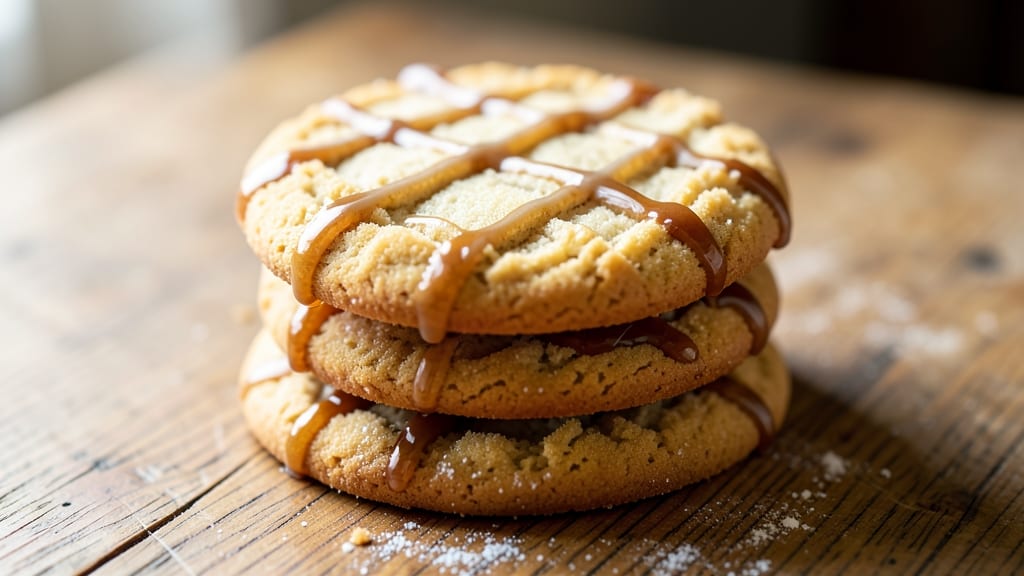
Betty Crocker's old-fashioned sugar cookie recipe delivers the perfect balance of vanilla-infused crunch and tender centers that hold their shape when piping. These cookies have been a holiday staple for generations, and their classic flavor—enhanced by real vanilla extract—makes them irresistible.
The dough is designed to be rolled, cut, and baked into festive shapes that stay crisp around the edges while maintaining a soft interior.
What sets these apart is the precise ratio of ingredients: butter, sugar, and flour create that signature texture, while a touch of cornstarch ensures a tender bite.
The recipe uses 350°F for even baking, and the cooling process is just as important—letting them rest on the sheet before transferring prevents cracking. Whether you're making them for Christmas trees, gift boxes, or holiday gatherings, they're designed to impress.
The dough's pipeability is legendary, allowing for intricate designs or simple rounds with ease. Once baked, the edges develop a delicate golden hue, while the centers remain soft enough to hold frosting or sprinkles beautifully. This is the kind of cookie that brings back childhood memories—crisp, sweet, and perfectly balanced.
For extra flair, try rolling them in sprinkles before baking or adding a vanilla glaze after cooling. The recipe scales perfectly for parties, and leftovers stay fresh for days. Let's get baking these timeless treats!
Ingredients for betty crocker old fashioned sugar cookie
Classic sugar cookie ingredients that balance crisp edges and tender centers for perfect piping.
| Ingredient | Amount | Notes |
|---|---|---|
| Unsalted Butter 🧈 | 1 cup | Cold, cubed for cutting into flour |
| Granulated Sugar 🍚 | 1 ½ cups | Superfine preferred for even texture |
| Light Brown Sugar 🍚 | ½ cup | Packed, for moisture balance |
| All-Purpose Flour 🌾 | 3 ½ cups | Sifted, for light texture |
| Cornstarch 🌾 | ½ tsp | Ensures tender crumb |
| Baking Soda 🧂 | 1 tsp | For leavening |
| Pure Vanilla Extract 🍯 | 2 tsp | High-quality, real vanilla |
| Salt 🧂 | ½ tsp | Diamond Crystal preferred |
| Heavy Cream 🥛 | ½ cup | Cold, for pipeable dough |
| Vanilla Sprinkles 🎄 | ¾ cup | For festive decoration |
| White Chocolate Chips 🍫 | ½ cup | Optional for added richness |
| Vanilla Glaze 🍯 | ½ cup | For post-bake finishing |
The butter must be cold—cut it into the flour while still chilled to prevent overmixing. Store-bought European-style butter like Plugrá or Land O’Lakes has higher fat content, which enhances the cookie’s signature crunch. For the sugars, superfine sugar dissolves evenly, but if unavailable, pulse regular granulated sugar in a food processor for a few seconds. The brown sugar adds subtle moisture without over-sweetening, so don’t substitute it entirely. Flour should be sifted to avoid dense cookies, and King Arthur or Gold Medal brands are ideal for their consistent protein content. Bulk bins at Whole Foods often carry these premium flours if you prefer to measure by weight.
No vanilla extract? Vanilla bean paste works beautifully—just reduce the amount by half since it’s more concentrated. Imitation vanilla lacks depth, so avoid it. For the sprinkles, Jolly Rancher or Sprinkles Galore brands offer vibrant colors that bake evenly. If you prefer a gluten-free option, swap the all-purpose flour for a 1:1 gluten-free blend like Bob’s Red Mill, but expect slightly softer cookies. The heavy cream is non-negotiable for pipeability—substituting with milk or buttermilk will yield a stiffer dough. For the glaze, powdered sugar should be sifted to avoid lumps, and Nestlé Toll House chips melt perfectly for a marbled effect if desired.
Store dough in an airtight container between parchment paper for up to 5 days—it keeps beautifully at room temperature. Baked cookies retain freshness for 7 days in a sealed tin or 3 months in the freezer if wrapped tightly. For holiday gifting, portion cookies into cellophane bags with a vanilla glaze drizzle for an elegant touch. The cornstarch ensures the edges stay crisp, so don’t skip it—even if your flour is low-protein. Preheat the oven to 350°F and use a light-colored baking sheet to prevent over-browning. Cool cookies on the sheet for 5 minutes before transferring to prevent cracking.
Why You'll Love This Recipe
- No-Mix Magic: I swear by this recipe because it’s literally just creaming butter and sugars, then folding in dry ingredients—no food processor, no overworking dough. The brown sugar keeps it tender without being gummy, and the cornstarch gives that perfect snap when baked.
- Buttery Sweet Bliss: That combo of cold butter and both granulated and brown sugar? It’s the secret to a cookie that’s rich but not heavy, with just enough chew to make it irresistible. Honestly, I’ve tried fancier recipes, but these taste like nostalgia—simple, warm, and impossible to resist.
- Holiday Hero: Whether it’s Christmas morning, a teacher gift, or just a random Tuesday, these cookies always fit the bill. Cut them into stars, trees, or even simple rounds—no one will care as long as they’re fresh from the oven. (Yes, even on a Tuesday night.)
- Pantry Staple Power: Five ingredients, all basics you probably already have. No weird substitutions, no last-minute grocery runs—just flour, sugar, and butter doing their job. And if you bake a batch? They freeze like a dream, so you’re always ready for a sweet emergency.
Step-by-step instructions for Betty Crocker's old-fashioned sugar cookies
Here's the classic method that delivers perfectly pipeable dough and cookies with ideal texture every time.
Cream the Butter and Sugars Together
In a stand mixer fitted with the paddle attachment, combine the 1 cup unsalted butter, 1.5 cups granulated sugar, and 0.5 cup light brown sugar. Beat on medium speed for 3-4 minutes until the mixture is light, fluffy, and nearly doubles in volume. The color should be pale, and you should be able to leave a clean imprint when you press your finger into the mixture.
This creaming process incorporates air into the dough, which creates those signature crackly tops and ensures a tender crumb. If the butter isn't cold enough, the dough will spread too much in the oven. If it's too cold, the mixture won't incorporate air properly. Aim for a consistency where the butter is soft but still holds its shape when pressed.
Add Vanilla and Dry Ingredients
Add the 2 teaspoons pure vanilla extract to the creamed mixture and mix for 15 seconds until fully combined. In a separate bowl, whisk together the 3.5 cups all-purpose flour, 0.5 teaspoon cornstarch, 1 teaspoon baking soda, and 0.5 teaspoon salt. Gradually add the dry ingredients to the butter mixture, mixing on low speed just until combined—about 30-45 seconds.
Overmixing at this stage develops gluten, which can make the cookies tough. You'll know it's properly mixed when the dough comes together and just a few flour streaks remain. The dough should be smooth and slightly crumbly but hold together when pressed. If it's too dry, add 1 tablespoon heavy cream at a time until it forms a cohesive dough.
Incorporate Cream and Chill the Dough
Add the 0.5 cup cold heavy cream to the dough and mix on low speed for 15-20 seconds until fully incorporated. The cream adds moisture and helps create a pipeable consistency. Divide the dough into two equal portions, flatten into discs, and wrap tightly in plastic wrap. Refrigerate for at least 2 hours—or up to 48 hours for best results.
Chilling is critical for two reasons: it firms up the butter so the cookies hold their shape, and it allows the flour to fully hydrate, resulting in a tender crumb. If you're short on time, the dough can be frozen for up to 3 months before using. Let it sit at room temperature for 15-20 minutes before piping if it's straight from the freezer.
Pipe and Bake the Cookies
Preheat your oven to 375°F and line two baking sheets with parchment paper. Using a piping bag fitted with a star tip, pipe 2-inch circles onto the prepared baking sheets, spacing them 2 inches apart. Sprinkle the tops immediately with vanilla sprinkles and press in white chocolate chips for added richness.
Bake for 8-10 minutes until the edges are light golden brown but the centers still look slightly underdone. The cookies will continue to set as they cool. Rotate the baking sheets halfway through for even baking. Remove from the oven and let cool on the baking sheet for 2 minutes before transferring to a wire rack to cool completely.
Finish with Vanilla Glaze
Once the cookies are completely cool, prepare the 0.5 cup vanilla glaze by whisking together powdered sugar and milk (or vanilla glaze if pre-made) until smooth. Dip the tops of the cooled cookies into the glaze or drizzle with a fork for a decorative finish. Allow the glaze to set for 10-15 minutes before serving or storing.
The glaze adds a professional touch and enhances the vanilla flavor. These cookies are best enjoyed fresh but can be stored in an airtight container for up to 5 days at room temperature. For extra indulgence, pair with a glass of cold milk or vanilla ice cream.
Pro Tips For Making Betty Crocker Old Fashioned Sugar Cookie
- CHILL THE DOUGH: The recipe calls for chilling the dough, but I learned this the hard way—skip it, and your cookies will spread into sad, flat pancakes. Give it at least 2 hours in the fridge, or even overnight if you’re not in a rush. Cold butter behaves better, and your cookies will hold their shape like they’re supposed to.
- CREAM THE BUTTER SLOW: You’re mixing butter, sugar, and brown sugar, but don’t rush it. Use a stand mixer and let it run on medium for 3-4 minutes until the mixture is light and fluffy—like whipped cream. I used to crank it up to high and end up with butter that’s more grease than dough. Patience here makes the texture.
- WEIGH THE FLOUR: Scooping flour from the bag is a recipe for disaster. This dough is delicate, and too much flour makes it dense. Use a scale and measure it by weight—1 cup of all-purpose flour is about 120 grams, and the cornstarch should be 1 tablespoon. Precision here keeps the cookies tender, not tough.
- BAKE ONE PAN AT A TIME: I know, it’s tempting to cram the oven with cookies, but resist. The Betty Crocker recipe relies on even baking, and overcrowding means the edges cook while the centers stay doughy. Use two pans max, and rotate them halfway through—your cookies will bake evenly, and you won’t end up with a batch of underdone centers.
Regional styles of betty crocker old fashioned sugar cookie
Midwestern Homestyle
In the heartland, these cookies are a holiday centerpiece—often shaped into Christmas trees, stars, or gingerbread men using simple cookie cutters. I’ve seen families roll out dough on floured countertops, sprinkle with Jolly Rancher sprinkles, and bake until the edges turn golden.
The key here is rolling the dough to ¼-inch thickness for even baking, and brushing the tops with melted butter before sprinkling for extra shine. These cookies are traditionally served warm with vanilla ice cream or milk, and they’re a must at Midwestern bake sales. 🎄
Southern Vanilla Twist
Southern bakers take these cookies to another level by adding 1 teaspoon of lemon zest to the dough for brightness, or swapping half the vanilla extract for bourbon (about 1 tablespoon) for a grown-up twist.
I love the idea of rolling the dough in crushed pecans before baking—it adds a buttery crunch that pairs perfectly with the sweetness. In Louisiana and Texas, it’s common to serve them with whipped cream instead of glaze, especially during Mardi Gras celebrations.
The bourbon-infused version keeps beautifully for 5 days in an airtight container. 🥃
New England Crunch
Up north, these cookies are all about texture contrast—New England bakers often press maple sugar crystals into the tops before baking for a caramelized finish. I’ve tried this with Grade B maple syrup (the darker, richer kind) and it adds a deep, earthy sweetness that’s unexpected but amazing.
Another regional favorite is rolling the dough in crushed graham crackers before cutting into shapes, which gives a nutty, cookie-like crust. These are a staple at Thanksgiving gatherings and often served with apple cider for dipping. 🍁
Pacific Northwest Citrus Kick
The West Coast puts its own spin on these classics by folding in 1 teaspoon of orange zest alongside the vanilla, giving the cookies a bright, zesty lift.
I’ve seen bakers in Seattle and Portland use white chocolate-dipped cookies instead of glaze, then roll them in toasted coconut flakes for a tropical vibe. These cookies are perfect for summer potlucks or holiday brunch spreads, and they pair beautifully with local craft ciders or sparkling peach tea.
The citrus keeps the dough from spreading too much, so you get thicker, chewier cookies. 🍊
Texas BBQ Cookie Fusion
Yes, you read that right—Texans love adding ½ teaspoon of smoked paprika and ¼ teaspoon of cayenne to the dough for a subtle smoky heat. I’ve made these with chopped pecans and a drizzle of honey butter glaze after baking, and they’re a hit at BBQ cook-offs.
The heat balances the sweetness, and the smoky flavor ties into Texas’s love of brisket and smoked meats. Serve them with sweet tea for the ultimate Southern fusion dessert. 🌶️
Modern Gluten-Free Adaptation
For those avoiding gluten, swap the all-purpose flour for a 1:1 gluten-free blend like Bob’s Red Mill and add ½ teaspoon of xanthan gum to mimic the texture. I’ve tested this with almond flour (replacing ½ cup of the blend) for extra richness, though the cookies will be slightly softer.
Top with colored sprinkles or edible gold leaf for a festive touch. These work well for holiday gift boxes and keep their shape beautifully when piped. 💛
Nutrition facts
Frequently asked questions
Can I substitute butter with margarine in this recipe?
While you can technically use margarine, it won't give you the same classic flavor or texture. Butter's higher fat content creates that signature crisp edge and tender center. If you must substitute, use 1 cup unsalted European-style margarine (like Country Crock Plant Butter) and add 1 tablespoon extra milk to compensate for the lower fat content. The cookies will be slightly softer but still delicious.
Why does my dough keep sticking to the rolling pin?
This usually happens when the dough isn't chilled enough or your work surface isn't properly floured. First, ensure your dough has rested in the fridge for at least 2 hours. Then, generously dust your rolling pin and countertop with all-purpose flour or a mix of flour and cornstarch (50/50) before rolling. Rolling the dough between two sheets of parchment paper can also prevent sticking while keeping it clean.
How do I prevent my cookies from spreading too much?
Over-creaming the butter or using warm butter are the most common causes. Always use cold butter cut into cubes, and cream it with the sugars for exactly 3-4 minutes until light but not melted. Chill the dough thoroughly (2+ hours) and pipe the cookies onto a preheated baking sheet (place the sheet in the oven for 2-3 minutes before piping). Bake at 375°F for 8-10 minutes—don't overbake!
Can I make these cookies without a stand mixer?
Use two large mixing bowls and a wooden spoon or rubber spatula. Cream the butter and sugars by hand for 5-7 minutes until light and fluffy (your arms will get a workout!). For the dry ingredients, gradually add them while mixing with a fork, then finish with your hands. The dough will be slightly less aerated but still pipeable. Just be extra careful not to overmix.
What's the best way to store leftover cookies?
For short-term storage, keep cookies in an airtight container at room temperature for up to 5 days. For longer storage, freeze them on a baking sheet first (unfrosted) until solid, then transfer to a freezer bag for up to 3 months. Thaw at room temperature—no need for the microwave! To refresh, rewarm in a 300°F oven for 3-5 minutes.