
Desserts
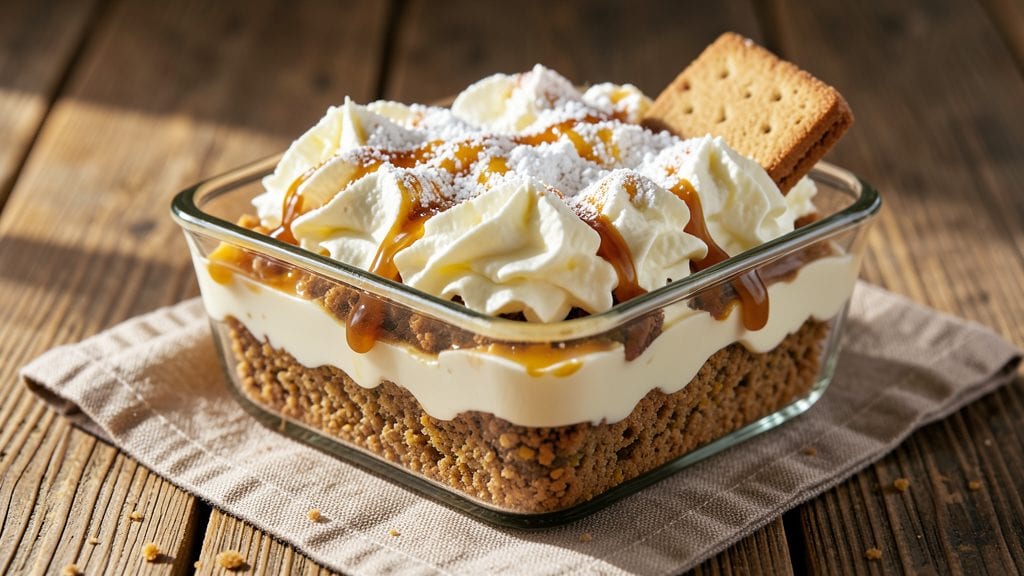
A cookie trifle recipe with a crunchy shortbread base transforms simple pantry ingredients into an elegant dessert that looks like it came from a patisserie. The secret lies in precise layering—crushed cookies, velvety custard, fresh fruit, and whipped cream—each component playing its part to create texture contrast and visual appeal.
I developed this version after years of experimenting with trifles, and it consistently delivers that perfect balance of crisp, creamy, and fruity in every bite.
What makes this trifle stand out is the shortbread base, which adds a delicate buttery crunch that no other cookie can match. The custard layer stays silky smooth thanks to a simple cornstarch thickening technique, while the whipped cream provides lightness without overpowering the other flavors.
Chilling time is critical—at least 4 hours—to let all the layers meld together while maintaining their distinct textures.
When assembled properly, this trifle presents like a work of art: golden shortbread crumbs at the bottom, layers of custard and fruit peeking through, and a cloud of whipped cream on top.
The visual appeal is just as important as the taste, which is why I include specific tips for garnishing with fresh berries or a sprinkle of cocoa powder. It's the kind of dessert that makes guests ask for the recipe the moment they take their first bite.
Perfect for dinner parties, holiday gatherings, or even a special weekend treat, this trifle scales beautifully for any occasion. The assembly process is straightforward once you understand the layering technique, and the ingredients are simple yet high-impact. Let's build this dessert that combines comfort and sophistication in every layer.
Ingredients for cookie trifle
Simple yet sophisticated ingredients elevate this trifle to restaurant-quality dessert status.
| Ingredient | Amount | Notes |
|---|---|---|
| Shortbread Cookies 🍪 | 1 ½ cups | Crushed into fine crumbs, buttery texture |
| Heavy Whipping Cream 🥛 | 2 cups | Cold, full-fat for stability |
| Granulated Sugar 🍚 | ¼ cup | For whipped cream sweetness |
| Vanilla Extract 🌿 | 1 tbsp | Pure Madagascar bourbon preferred |
| Large Egg Yolks 🥚 | 4 whole | Fresh, pasteurized if preferred |
| Whole Milk 🥛 | 1 ½ cups | Full-fat for custard richness |
| Cornstarch 🌾 | 2 tbsp | Diamond Crystal preferred |
| Unsalted Butter 🧈 | ¼ cup | Cold, cubed for custard |
| Fresh Mixed Berries 🍓 | 2 cups | Raspberries, blueberries, or strawberries |
| Granulated Sugar 🍚 | ¼ cup | For berry maceration |
| Lemon Juice 🍋 | 1 tbsp | Freshly squeezed |
| Unsweetened Cocoa Powder 🍫 | 1 tbsp | For garnish, Dutch-processed |
| Salt 🧂 | ¼ tsp | Fine sea salt for balance |
The shortbread base demands quality ingredients for that signature buttery crunch. Cubed shortbread cookies from specialty bakeries like Tartine Bakery or Whole Foods Market deliver superior texture—avoid store-brand cookies, which often contain fillers that compromise the crumb. For an extra layer of sophistication, toast the cookie crumbs lightly before assembly to deepen their flavor. The butter content in these cookies is what creates that delicate melt-in-your-mouth quality that makes this trifle stand out from traditional versions.
Substitutions should preserve the trifle's structural integrity. If fresh berries are unavailable, high-quality frozen berries (thawed and drained) work well, though they release more liquid. For the custard, half-and-half can replace whole milk, though the texture will be slightly lighter. The vanilla extract is non-negotiable—imitation extracts contain artificial flavors that disrupt the delicate balance. For a dairy-free option, coconut cream can replace the heavy whipping cream, though it alters the mouthfeel significantly. The cocoa powder garnish can be omitted entirely if preferred, but it adds that final professional touch that transforms this from homemade to patisserie-worthy.
Proper storage ensures each layer maintains its ideal texture. The assembled trifle should be refrigerated for at least 4 hours before serving to allow flavors to meld. It remains fresh for up to 3 days in the refrigerator, though the shortbread base may lose some crispness after 2 days. For longer storage, individual portions can be frozen for up to 2 months—thaw overnight in the refrigerator before serving. The berry layer should be added just before serving to preserve its vibrant color and freshness, as it tends to macerate quickly. Always use chilled serving dishes to maintain the whipped cream's stability when presenting.
Why You'll Love This Recipe
- Here’s the secret: this dessert actually improves the next day. The shortbread softens slightly, the cream sets into the perfect texture, and the flavors meld into something even richer. I’ve sent it to work with coworkers, and it’s always gone by lunch. Plus, the ingredients are cheap—you’re basically making gourmet dessert for pennies.
- No Fuss Assembly: I swear by this recipe because it’s basically a dessert for people who hate fussing. Crush the shortbread, whip the cream in minutes, and layer it like a lazy charcuterie board—no baking, no waiting, just stack and serve. Honestly, the hardest part is deciding whether to use store-bought cookies or bake your own (I cheat 80% of the time).
- Velvet Cream Magic: That whipped cream isn’t just good—it’s the kind of light, airy cloud that makes you question why you ever ate dense desserts. The yolks and sugar create a custardy base that thickens just right, and the vanilla? It’s like a warm hug for your taste buds. (Yes, even on a Tuesday night.)
- Party in a Glass: This trifle is my go-to for birthdays, book clubs, or just because. Serve it in individual glasses for a fancy vibe, or one big bowl for a casual hang. Add a sprinkle of cocoa or crushed nuts if you’re feeling fancy, but the basic version? It’s foolproof for any gathering—no one will guess it took less than 30 minutes.
Step-by-step instructions for cookie trifle recipe
A delicate balance of textures and flavors comes together in this layered dessert.
Prepare the Shortbread Crust
Crush the 1.5 cups shortbread cookies into fine crumbs using a food processor or rolling pin. I like to pulse in short bursts to avoid turning the crumbs into powder—just until they resemble coarse sand. Spread the crumbs evenly across the bottom of a 9x13-inch glass baking dish, pressing down gently to create a firm base. This foundational layer provides the signature crunch that distinguishes a proper cookie trifle from other layered desserts.
For best results, chill the prepared dish in the refrigerator for 10 minutes before adding the next layer. This brief resting period helps the crumbs set slightly, preventing them from dissolving when the custard is added later. The cold also enhances the buttery flavor of the shortbread, which will carry through each bite of the trifle.
Create the Berry Maceration
In a medium bowl, combine the 2 cups fresh mixed berries, 0.25 cup granulated sugar, and 1 tablespoon lemon juice. Gently toss everything together with your hands or a rubber spatula, ensuring each berry is lightly coated in the sugar mixture. Let this sit at room temperature for 15-20 minutes, stirring occasionally. You'll notice the berries begin to soften slightly and release their juices, creating a vibrant, slightly syrupy layer that will add moisture and bright acidity to the trifle.
I prefer using a mix of raspberries, blueberries, and strawberries for visual contrast and flavor complexity. The acidity from the lemon juice prevents the berries from becoming too sweet while enhancing their natural tartness. Don't skip this step—proper maceration ensures the berries don't turn mushy when layered with the custard.
Prepare the Vanilla Custard
In a medium saucepan, whisk together the 1.5 cups whole milk, 0.25 cup unsalted butter, 0.25 tsp salt, and 1 tablespoon vanilla extract over medium heat. Bring the mixture to a gentle simmer, stirring occasionally to prevent scorching. In a separate bowl, whisk together the 4 whole large egg yolks and 2 tablespoons cornstarch until smooth and pale. Slowly pour the milk mixture into the egg mixture while whisking continuously to create a smooth custard base.
Return the combined mixture to the saucepan and cook over low heat, stirring constantly with a wooden spoon or silicone spatula, until it thickens enough to coat the back of the spoon (5-7 minutes). The custard should reach 170°F on an instant-read thermometer and have a slight sheen—this indicates it's reached the perfect consistency for trifle layers. Remove from heat immediately to prevent overcooking, which can make the custard grainy.
Assemble the Trifle Layers
Spread the prepared berry maceration evenly over the shortbread crust, pressing down gently to help it adhere. Next, pour the warm vanilla custard over the berries, using a spatula to create an even layer. The custard should cover all the berries completely, creating a smooth surface. At this point, I like to chill the trifle in the refrigerator for 30 minutes to allow the layers to set slightly before adding the final components.
After chilling, spread the 2 cups heavy whipping cream evenly over the custard layer. To achieve the perfect texture, I whip the cream with 0.25 cup granulated sugar until it forms soft peaks—just stiff enough to hold its shape when spread but still light enough to create an airy finish. Dust the surface with 1 tablespoon unsweetened cocoa powder for a sophisticated touch that complements the buttery shortbread and berry layers.
Chill and Serve
Cover the trifle and refrigerate for at least 4 hours, or preferably overnight. This extended chilling time allows all the flavors to meld together and the layers to fully set, resulting in clean separation when serving. When ready to serve, run a knife around the edges of the dish to loosen any potential sticking, then slice into portions. Each bite should deliver the buttery crunch of the shortbread, the creamy richness of the custard, the bright acidity of the berries, and the light airiness of the whipped cream.
The trifle holds together beautifully when sliced, with each layer remaining distinct yet harmoniously combined. For an extra touch, I like to garnish individual servings with additional berries or a dusting of cocoa powder. Serve chilled with a side of extra whipped cream if desired—this dessert tastes best when enjoyed straight from the refrigerator.
Pro Tips For Making Cookie Trifle
- Chill the Cream Properly: Pop your heavy cream in the fridge for at least 2 hours before whipping—cold cream whips faster and holds its shape better. I learned this the hard way when my trifle layers collapsed like a house of cards because I rushed it.
- Toast the Shortbread: Lightly toast your shortbread cookies with a sprinkle of sugar for 2-3 minutes until golden—this prevents soggy bottoms and adds a caramelized crunch. Skip the oven? Use the broiler for 1 minute, but watch it like a hawk.
- Whisk Yolks to Ribbon Stage: Beat those egg yolks with sugar until they’re pale, thick, and ribbon off the whisk—this ensures your custard layer is silky, not grainy. I used to stop when it looked "done," but the texture changes everything.
- Layer in Thin Sheets: Spread cream and custard in even, paper-thin layers (about ¼-inch thick) for a clean cut and consistent texture. Uneven layers mean messy bites—trust me, it’s worth the extra minute.
Best sauces and condiments for this recipe
Custard Variations
Swap the vanilla custard for passionfruit curd by blending 1 cup passionfruit pulp with 2 tbsp cornstarch and 1 cup milk. Simmer until thickened for a tropical twist that pairs beautifully with shortbread.
For a chocolate custard, replace vanilla with ½ cup cocoa powder and ¼ cup sugar, then proceed with the same method. The rich chocolate flavor balances the buttery shortbread perfectly. 💫
Fruit Compote Upgrades
Replace the berry maceration with spiced apple compote by simmering 2 cups diced apples, ¼ cup brown sugar, 1 cinnamon stick, and 1 tbsp lemon juice for 10 minutes. The warm spices add depth that contrasts the cool custard.
For a citrus twist, use orange segments macerated with 1 tbsp orange zest and 2 tbsp honey. The bright acidity cuts through the richness of the shortbread.
Cream Alternatives
For a dairy-free option, replace heavy whipping cream with coconut cream chilled overnight. Whip it with 1 tsp vanilla extract and 2 tbsp powdered sugar until stiff peaks form. The coconut flavor adds a subtle tropical note that complements the shortbread.
For a lighter texture, fold ½ cup Greek yogurt into the whipped cream for added protein and tang. This works especially well with fruit-heavy trifles. ✨
Layered Flavor Boosters
Add a thin layer of jam between the custard and whipped cream for extra sweetness. I recommend raspberry or apricot jam—about ¼ cup spread evenly. For a boozy kick, drizzle 2 tbsp Grand Marnier or 1 tbsp orange liqueur over the custard layer before adding the whipped cream.
The alcohol enhances the fruit flavors while adding complexity. Always add liqueurs sparingly to avoid overpowering the dessert.
Garnish Finishes
Elevate your trifle with edible flowers like violets or pansies for a delicate, elegant touch. A sprinkle of toasted coconut flakes adds crunch that contrasts the soft layers.
For a savory contrast, dust the top with ½ tsp smoked paprika—it sounds unusual, but the subtle smokiness pairs surprisingly well with the sweet components. Always add garnishes just before serving to preserve their freshness and visual appeal. 🌸
Nutrition facts
Frequently asked questions
Can I make this trifle ahead of time?
This trifle actually tastes better when made a day ahead. The flavors meld beautifully during overnight chilling, and the layers hold together perfectly. Just assemble it in your serving dish, cover tightly, and refrigerate for up to 24 hours before serving. The shortbread stays crisp, the custard remains smooth, and the berries retain their freshness.
What's the best way to store leftover trifle?
Store any leftovers in an airtight container in the refrigerator for up to 3 days. For longer storage, you can freeze individual portions (without the whipped cream) for up to 2 months. Thaw overnight in the fridge and add fresh whipped cream before serving. The shortbread base may soften slightly after freezing, but it still tastes delicious.
How do I prevent the custard from getting grainy?
Graininess happens when custard overheats or isn't stirred constantly. Always cook over low heat and whisk continuously until it reaches 170°F. Remove from heat immediately when it coats the back of a spoon. For extra insurance, strain the finished custard through a fine-mesh sieve before assembling your trifle.
Can I use store-bought custard instead of making my own?
Yes, but with a caution: store-bought custards often contain stabilizers that can make them too thick. Use about 1.5 cups of quality vanilla pudding (like French vanilla) and thin it slightly with 2 tablespoons milk if needed. Avoid instant puddings—they're too sweet and don't have the same silky texture. The homemade version gives you better control over sweetness and consistency.
What's the secret to getting perfect whipped cream?
The key is using cold ingredients and the right technique. Chill your bowl and beaters for 10 minutes before starting, and make sure your cream is ice cold. Add sugar gradually while whipping, and stop when you reach soft peaks—overwhipping leads to butter. For extra stability, fold in 1 teaspoon powdered sugar at the end if needed.