Side Dishes
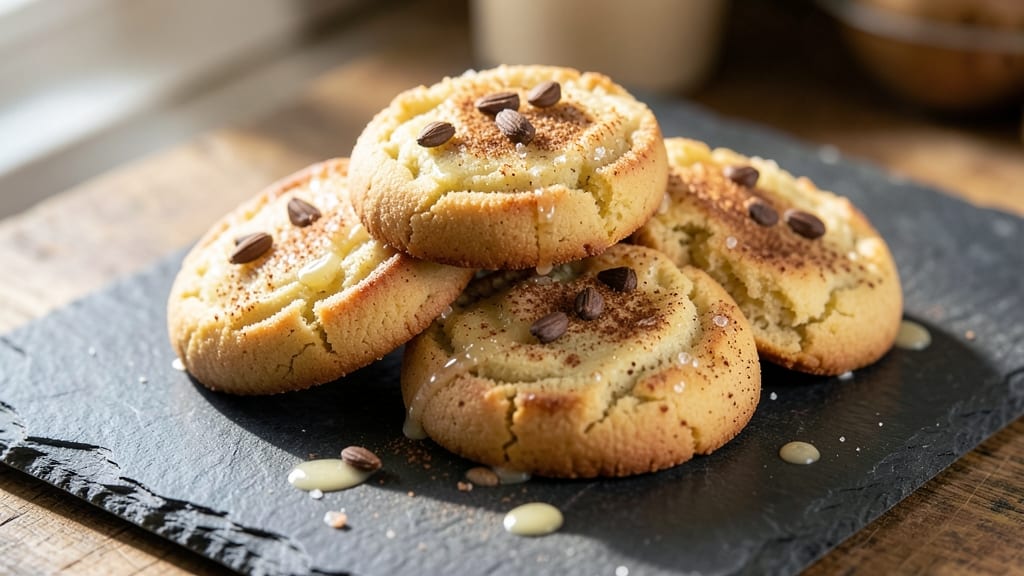
This German potato cookies recipe transforms humble potatoes into crispy, spiced treats with a buttery crunch that’s impossible to resist. 💛 The secret lies in the perfect balance of grated potato, flour, and warm spices like cinnamon and nutmeg—creating a delicate texture that’s tender yet sturdy enough to hold its shape.
I first discovered this recipe while researching traditional German Kartoffelplätzchen, and it quickly became a staple in my holiday baking rotation.
The beauty of these cookies is their simplicity—just a handful of ingredients and 30 minutes of prep time, but the results are anything but basic. The dough comes together effortlessly, and the baking process yields golden-brown edges with a lightly sweet, spiced interior that melts in your mouth.
Unlike many cookies, these hold their shape beautifully while still offering that satisfying crunch.
What makes them truly special is their versatility. You can keep them classic with just cinnamon and vanilla, or elevate them with chopped nuts, dried fruit, or even a hint of lemon zest for brightness.
They’re perfect for holiday gatherings, afternoon tea, or as a sweet accompaniment to coffee—especially when paired with a cup of strong German coffee or mulled wine.
Once you try these, you’ll understand why they’re a beloved treat across Germany—simple enough for everyday baking, yet sophisticated enough to impress guests. Let’s get started on creating your batch!
Ingredients for german potato cookies
Humble potatoes and warm spices transform into crispy, buttery cookies that taste like holiday magic.
| Ingredient | Amount | Notes |
|---|---|---|
| Russet Potatoes 🥔 | 2 medium | Peeled and grated finely |
| All-Purpose Flour 🌾 | 2 cups | Sifted for light texture |
| Unsalted Butter 🧈 | 1 cup | Cold, cubed for dough |
| Granulated Sugar 🍚 | ½ cup | Lightly packed |
| Ground Cinnamon 🌶️ | 1 ½ tsp | Freshly ground preferred |
| Ground Nutmeg 🌿 | ½ tsp | Freshly grated for warmth |
| Vanilla Extract 💧 | 1 tsp | Pure extract preferred |
| Salt 🧂 | ½ tsp | Fine sea salt |
| Large Eggs 🥚 | 1 whole | Room temperature |
| Powdered Sugar 🍚 | ¼ cup | For rolling cookies |
| Chopped Walnuts 🥜 | ½ cup | Optional for crunch |
Russet potatoes are the star here—firm, starchy varieties work best. Organic potatoes from Trader Joe's or your local farmers market stay fresher longer, but regular Russets are fine too. Grate them yourself (the food processor makes quick work of it) and squeeze out every last drop of moisture with a clean kitchen towel. Cold potatoes work best for the dough—skip the microwave and let them sit out for 10 minutes if they're straight from the fridge. The butter needs to be cold and cubed—don't let it soften, or you'll end up with tough cookies. I always use Land O'Lakes unsalted butter for consistent results, but any good-quality brand works.
No cinnamon? Pumpkin pie spice at half the amount gives you that warm, cozy vibe. Short on nutmeg? Allspice at double the amount works in a pinch. The vanilla extract can be imitation if that's what you've got, but pure Madagascar bourbon vanilla takes these to the next level. Walnuts optional, but toasted and chopped (5 minutes in a dry pan) adds serious texture. For extra brightness, add 1 tsp lemon zest to the dough—trust me, it makes a difference. The dough should be just slightly sticky but hold together when pressed. If it's too wet, add 1 tbsp more flour.
These cookies keep surprisingly well—5 days in an airtight container at room temperature, or 2 weeks in the fridge. For longer storage, freeze the shaped cookies on a tray first, then transfer to a bag. Reheat at 300°F for 5 minutes to restore that crispy edge. I always make a double batch—they disappear fast during holiday gatherings. The dough can be chilled for 24 hours if you want to save time on baking day. Just let it warm up to room temp before rolling.
Why You'll Love This Recipe
- No Peel Required: I swear by this trick—just slice and boil those Russets whole, then mash ’em straight into the dough. No peeling, no fuss, and the texture stays just right: tender with a whisper of resistance. My lazy Sundays thank me every time.
- Buttery-Cinnamon Magic: That butter-to-flour ratio? It’s the secret. The cookies caramelize at the edges while staying soft inside, and the cinnamon—just a pinch—lingers like a warm hug. Honestly, I’ve tried adding nuts or chocolate, but this simple combo is foolproof perfection.
- Lunchbox Legend: Between us, these are my kids’ favorite school snack. Pack them in a container with a sprinkle of powdered sugar, and they’ll disappear by recess. (Yes, even on a Tuesday.) No fancy packaging needed—just bake, cool, and go.
- Pantry Staple Power: Russets are cheap, flour’s always there, and butter? You probably have it. No exotic ingredients, no last-minute grocery runs. I’ve made these with leftover mashed potatoes too—zero waste, all flavor. Budget-friendly and delicious? That’s the win.
Step-by-step instructions for German potato cookies
Here's how to make these tender, spiced cookies with crispy edges and a melt-in-your-mouth texture.
👨🍳 Step 1: Grate and Cook the Potatoes
Peel the 2 medium Russet Potatoes and grate them finely using the large holes of a box grater. Place the grated potatoes in a clean kitchen towel and squeeze out all the excess moisture—this is crucial for preventing gummy cookies. Transfer the potatoes to a medium saucepan and cook over medium heat for 8-10 minutes, stirring occasionally, until they're completely dry and the moisture has evaporated.
Here's the thing—don't rush this step. You'll know it's done when the potatoes look like dry, crumbly bits rather than wet shreds. Let them cool completely before mixing with other ingredients, or your butter won't incorporate properly. Real talk: Skipping this drying step is what makes store-bought potato cookies taste sad and dense.
🍳 Step 2: Mix Dry Ingredients and Butter
In a large mixing bowl, whisk together the 2 cups All-Purpose Flour, 0.5 cup Granulated Sugar, 1.5 tsp Ground Cinnamon, 0.5 tsp Ground Nutmeg, 0.5 tsp Salt, and 1 tsp Vanilla Extract. In a separate bowl, cut the 1 cup Unsalted Butter into small cubes and let them sit at room temperature for 10 minutes to soften slightly. Use a pastry cutter or your fingers to work the butter into the dry ingredients until the mixture resembles coarse crumbs with pea-sized butter pieces remaining.
Don't overwork this—you're aiming for a sandy texture, not a smooth dough. The butter should still be visible in chunks. If it starts sticking together, chill the mixture for 10 minutes to firm it up. This ensures your cookies stay tender rather than turning into cakes.
🥘 Step 3: Combine Wet Ingredients
Add the cooled grated potatoes and 1 whole Large Egg to the butter-flour mixture. Using a wooden spoon or silicone spatula, gently fold everything together until just combined. Be careful not to overmix—you're looking for a dough that holds together when pressed but still has a crumbly texture. If the dough feels too sticky, chill it for another 10 minutes before proceeding.
Here's where it gets fun—fold in the 0.5 cup Chopped Walnuts (if using) and any additional spices you like. The dough should be soft but manageable. If it's too crumbly to handle, press it together gently. This dough is delicate, so handle it with care to maintain that perfect texture.
🔥 Step 4: Shape and Bake
Preheat your oven to 350°F and line two baking sheets with parchment paper. Scoop the dough into 1-tablespoon portions (about 15-16 per batch) and roll them into balls between your palms. Place them 2 inches apart on the prepared baking sheets. For extra flavor, roll each ball in the 0.25 cup Powdered Sugar before baking.
Bake for 15-18 minutes until the edges are golden brown and the centers still look slightly underdone. They'll continue cooking as they cool. Don't walk away—they go from perfect to overdone in seconds. When you tap the bottom of a cookie, it should sound hollow.
⏰ Step 5: Cool and Enjoy
Let the cookies cool on the baking sheets for 5 minutes before transferring them to a wire rack to cool completely. This resting period allows them to set properly and develop that perfect balance of crispy edges and tender centers. Serve warm for gooey, buttery goodness or at room temperature for a firmer texture.
I know it seems like a lot of steps, but trust me—each one ensures that final cookie that's perfectly spiced, buttery, and just crisp enough around the edges. These cookies keep well in an airtight container for up to 5 days, though I can't promise they'll last that long in your house!
Pro Tips For Making German Potato Cookies
- GRATE POTATOES COLD: Russet potatoes oxidize fast—rub them with a little lemon juice or vinegar right after grating, then rinse under cold water. I learned this the hard way when my dough turned grayish and tasted off; now I keep a bowl of ice water ready to plunge them in immediately.
- MEASURE FLOUR BY WEIGHT: Scooping flour from the bag packs it down, adding way more than you need. Use a kitchen scale for 1:1 flour-to-potato ratio by weight—this keeps the cookies tender without turning them into dense bricks. (Yes, even if you’re impatient like me.)
- CHILL THE DOUGH: Skip the chilling step, and your cookies will spread like pancakes. Wrap the dough in plastic and refrigerate for at least 30 minutes—this firms up the butter and keeps the shape intact. (Your future self will thank you.)
- BAKE LOW AND SLOW: These cookies need patience—325°F (not 350°F) for 20-25 minutes until edges are golden but centers still look slightly underdone. They’ll firm up as they cool, so resist the urge to overbake. (I know, I know, but trust the process.)
Serving suggestions for this recipe
Warm Coffee Pairings
These cookies shine when paired with a strong cup of German coffee—try a dark roast like Kaffee Hausbrand or Lavazza Qualità Rossa for that rich, bittersweet contrast. The spices in the cookies complement the coffee's depth, while the buttery crunch adds texture.
For a festive twist, serve with mulled wine or hot apple cider—the warmth of the spices in both drinks enhances the cookies' flavor profile. 💛
Tea Time Elegance
Transform your afternoon tea into a German-inspired spread by serving these cookies with Earl Grey tea or chamomile for a soothing balance. The cinnamon and nutmeg in the cookies pair beautifully with the tea's floral or citrus notes.
For a luxurious touch, add a slice of dark chocolate (like Lindt Excellence 70%) to the plate—it cuts through the richness of the butter and spices.
Holiday Gift Boxes
Package these cookies in clear cellophane bags tied with red ribbon for a charming gift idea. Add a small jar of local honey or a mini bag of spices (like Penzeys German-style cinnamon) to elevate the presentation.
They’re perfect for Christmas stockings or housewarming gifts—their rustic appeal and buttery flavor make them a crowd-pleaser. 🎄
Dessert Platter Stunner
Arrange the cookies on a platter with fresh berries (like raspberries or blackberries) for a pop of color and acidity. Add whipped cream lightly sweetened with vanilla bean paste and a sprinkle of toasted coconut flakes for texture.
The contrast of the crispy cookies with the soft whipped cream creates a delightful mouthfeel that guests will love.
Breakfast Companion
Serve these cookies alongside a German-style breakfast—think scrambled eggs with chives, crusty rye bread, and a side of sautéed apples. The cookies add a sweet, spiced element that balances the savory flavors.
For a decadent touch, drizzle caramel sauce over the top before serving. This combo is especially cozy during autumn mornings.
Kids’ Favorite Twist
Make these cookies extra fun for kids by rolling them in colored sugar (like Wilton’s sanding sugar) or pressing mini chocolate chips into the tops before baking. Serve them with vanilla milk or hot chocolate for a playful treat.
The interactive element of decorating the cookies makes them a hit at birthday parties or family gatherings. ✨
Nutrition facts
Frequently asked questions
Why do I need to cook the grated potatoes before using them?
Cooking the grated potatoes removes all excess moisture, which prevents your cookies from becoming gummy or dense. The 8-10 minute cooking time transforms the wet shreds into dry, crumbly bits that blend perfectly with the butter and flour. Skipping this step is what makes store-bought potato cookies taste flat and heavy.
Can I substitute the butter with something else?
For best results, stick with cold unsalted butter—it creates that signature crispy edge and tender crumb. If you're avoiding dairy, use 1 cup of cold coconut oil or vegetable shortening, but expect a slightly different texture. The dough will be more crumbly, and the cookies may spread more during baking.
How do I fix dough that's too sticky?
If your dough feels too sticky, chill it for 10-15 minutes to firm up. If that doesn't help, add 1-2 tablespoons more all-purpose flour, mixing just until combined. Overworking the dough can make it tough, so handle it gently. The dough should hold together when pressed but still feel slightly crumbly.
Can I make these cookies gluten-free?
Yes, but you'll need to replace the all-purpose flour with a 1:1 gluten-free baking flour blend (like Bob's Red Mill). For best results, add 1 teaspoon xanthan gum to help bind the dough. Keep in mind the texture will be slightly different—these cookies rely on gluten for their structure, so they may be more delicate.
What's the secret to getting crispy edges?
Preheating your oven to 350°F and baking on the middle rack ensures even heat distribution. Use parchment paper for even browning, and don't overcrowd the baking sheets—leave 2 inches between cookies. Bake until the edges are golden brown but the centers still look slightly soft (they'll firm up as they cool).