Desserts
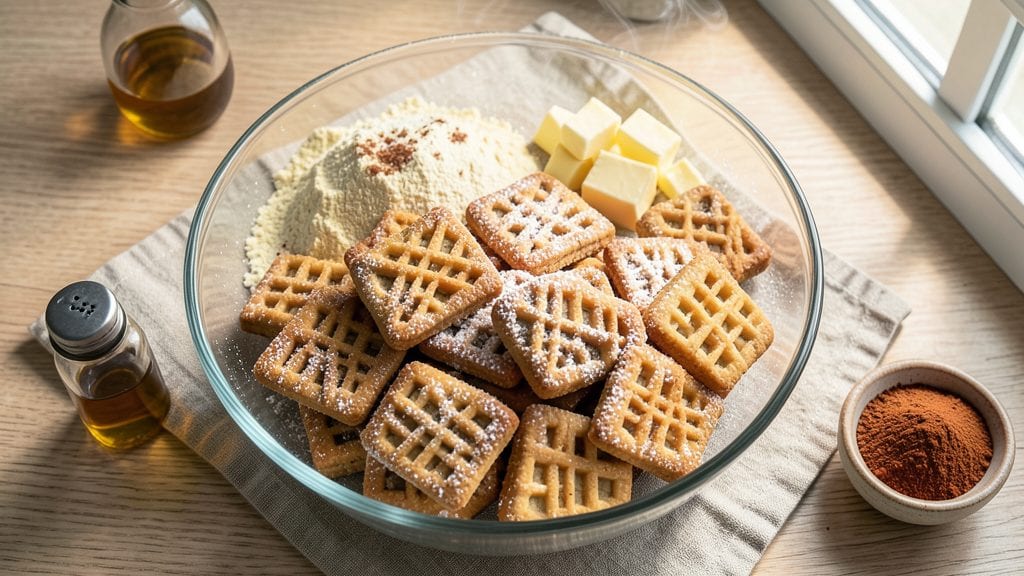
This Hungarian cookies recipe brings a taste of Central Europe to your kitchen with just 15 minutes of active time—no fuss, no waiting.
The secret lies in sweet, spiced dough rolled thin and baked until golden, then dusted with powdered sugar and a whisper of paprika for that signature crunch and warmth.
I first discovered these cookies while visiting a bakery in Budapest, where the scent of cinnamon and vanilla filled the air, and I knew I had to recreate them at home.
The dough is simple—flour, sugar, butter, and eggs—but the technique makes all the difference. Rolling it paper-thin ensures crisp edges, while cutting into classic shapes (like stars or circles) gives that authentic bakery look.
The dough rests just long enough to firm up for clean cuts, and the oven works quickly to lock in that perfect texture. No special tools required, just patience and a steady hand.
What you’ll end up with is a batch of delicate, melt-in-your-mouth cookies with a subtle paprika kiss that lingers on the tongue. The powdered sugar finish adds a delicate sweetness, balancing the warm spices.
These aren’t just cookies—they’re a little piece of Hungarian tradition, ready in time for coffee or dessert. Let’s get baking.
Pair them with tea for an afternoon treat or serve as a festive dessert. The recipe scales easily, so double the batch for gatherings. Here’s how to make them perfectly every time.
Ingredients for hungarian cookies
Simple ingredients that transform into delicate, spiced Hungarian cookies with a whisper of paprika.
| Ingredient | Amount | Notes |
|---|---|---|
| All-Purpose Flour 🌾 | 2 ½ cups | Sifted for light texture |
| Unsalted Butter 🧈 | 1 cup | Cold, cubed for cutting |
| Granulated Sugar 🍚 | 1 cup | Light brown preferred |
| Large Eggs 🥚 | 1 whole | Room temperature |
| Vanilla Extract 🌸 | 1 tsp | Pure extract preferred |
| Ground Cinnamon 🌿 | 1 tsp | Freshly ground ideal |
| Sweet Paprika 🌶️ | ½ tsp | Hungarian variety best |
| Fine Sea Salt 🧂 | ½ tsp | Diamond Crystal preferred |
| Powdered Sugar 🍚 | ¼ cup | For final dusting |
| Heavy Cream 🥛 | 2 tbsp | For brushing (optional) |
The flour is the backbone here—King Arthur or Gold Medal works best for that tender crumb. Butter should be cold and cubed; Plugrá or Land O'Lakes unsalted are my go-tos. The sugar? Light brown adds subtle molasses notes that pair perfectly with the spices. For the paprika, Hungarian sweet paprika from the bulk section (like Rosenbaum) makes all the difference—it's vibrant and aromatic. If you can't find it, regular sweet paprika works, but it's not the same. The vanilla extract should be pure, not imitation, and the eggs need to be at room temperature for easier mixing.
No vanilla extract? Vanilla bean paste at half the amount gives you those little specks. Short on paprika? Smoked paprika at one-third the amount adds depth, but you'll lose that signature Hungarian sweetness. The heavy cream is optional but worth it—brush the tops before baking for extra shine. For a gluten-free version, swap the flour for a 1:1 gluten-free blend (like Bob's Red Mill), but expect slightly denser cookies. The dough should be cool and firm when rolled—if it's sticky, chill it 15-20 minutes before shaping. And trust me, the powdered sugar finish? Non-negotiable.
This dough keeps for 3 days in the fridge, wrapped tightly in plastic. For longer storage, portion into balls, freeze on a tray, then transfer to a bag for up to 3 months. Once baked, store in an airtight container for 5 days—they're best at room temperature but will last a week in the fridge. Pro tip: Brush the tops with melted butter after baking for extra richness (just 1 tbsp melted butter, warmed). These freeze beautifully too—bake, cool, then freeze in layers separated by parchment. Reheat at 300°F for 5 minutes to revive that bakery-fresh crunch.
Why You'll Love This Recipe
- No Mixer Needed: I swear by this dough—just pat it into shape with your hands. No stand mixer, no food processor, just you and a little elbow grease. The butter and sugar get creamed so smoothly by hand, and the dough comes together faster than you’d think.
- Buttery Vanilla Bliss: That first bite? Rich, tender crumb with a whisper of vanilla that lingers. The butter isn’t just melted in—it’s folded right into the dough, giving every cookie a melt-in-your-mouth texture. Honestly, I’ve tried store-bought, and these beat them every time.
- Holiday or Snack Attack: Pack them in jars for holiday gifts, or grab one when you’re craving something sweet. They keep for days in an airtight container, so I always bake a batch when I need a stress-free treat. (Yes, even on a Tuesday night.)
- Pantry Staple Magic: Flour, butter, sugar, eggs—these are ingredients I already have. No weird substitutes, no last-minute grocery runs. And because they’re sturdy, they travel well, too. My kids ask for seconds, and my husband sneaks them when he thinks I’m not looking.
Step-by-step instructions for Hungarian cookies recipe
Here’s how to make these sweet, paprika-kissed cookies with crisp edges and tender centers—every bite delivers that perfect balance of warmth and crunch.
Cut Cold Butter into Dry Ingredients
Place the 1 cup unsalted butter (cold and cubed) in a large mixing bowl. I like to use my fingers to break it into smaller pieces first—this ensures even distribution later. Add the 2.5 cups all-purpose flour, 1 tsp ground cinnamon, 0.5 tsp sweet paprika, and 0.5 tsp fine sea salt. Using a pastry cutter or your fingers, work the butter into the flour mixture until it resembles coarse crumbs with pea-sized butter pieces remaining. This texture is key—it creates flaky layers when baked.
Don’t overwork the dough here. You’re just combining, not developing gluten. If the mixture feels too dry, add 1-2 tablespoons of ice water to help bind it, but avoid making it sticky. The goal is a firm, crumbly dough that holds together when pressed.
Cream Sugar and Egg for Binding
In a separate bowl, beat the 1 cup granulated sugar and 1 whole large egg (room temperature) together until smooth and fully combined. I use a fork for this step—no mixer needed. The sugar should dissolve completely, creating a thick, glossy paste. Add the 1 tsp vanilla extract and mix until just incorporated. This mixture will bind the dry ingredients and add moisture for a tender cookie.
Here’s the thing—room-temperature egg and sugar blend better than cold. If your egg is straight from the fridge, let it sit at room temperature for 10 minutes before mixing. This ensures a smoother dough and prevents cracks in the baked cookies.
Combine Wet and Dry Ingredients
Pour the sugar-egg mixture into the dry ingredients and gently stir with a wooden spoon until everything comes together. The dough will be thick and slightly sticky, but it should hold its shape when pressed. If it’s too crumbly, add 1-2 tablespoons of heavy cream (from the ingredients list) to help bind it. Avoid adding too much liquid—this can make the cookies dense.
Once combined, divide the dough into 4 equal portions (about ¼ cup each) and flatten each into a ½-inch thick disc. Wrap each disc tightly in plastic wrap and refrigerate for at least 30 minutes. Chilling firms up the dough, preventing excessive spreading in the oven and ensuring clean edges.
Roll and Cut into Shapes
Preheat your oven to 350°F and line two baking sheets with parchment paper. On a lightly floured surface, roll out one chilled dough disc to about ⅛-inch thickness. Use cookie cutters (traditional Hungarian shapes like stars or hearts work well) or a sharp knife to cut into your desired shapes. Place the cutouts on the prepared baking sheets, spacing them 1 inch apart—they’ll spread slightly during baking.
For extra flavor, brush the tops of the cookies lightly with 2 tbsp heavy cream before baking. This adds a subtle richness and helps create a slightly crispy finish. Bake for 12-14 minutes until the edges are golden brown and the centers still look slightly soft. They’ll firm up as they cool.
Dust with Powdered Sugar and Serve
Remove the cookies from the oven and let them cool on the baking sheet for 5 minutes. While still warm, dust the tops generously with 0.25 cup powdered sugar using a fine-mesh sieve. This step is non-negotiable—it adds that signature Hungarian touch of sweetness and contrast to the warm, spiced cookies.
Let the cookies cool completely on a wire rack before serving. They’ll crisp up as they cool, giving you that perfect texture—crunchy outside, tender inside. Store in an airtight container for up to 5 days, or freeze for up to 3 months to preserve their freshness.
Pro Tips For Making Hungarian Cookies
- Chill the Dough: Let the dough rest in the fridge for at least 30 minutes before rolling—this prevents the butter from melting and turning your cookies into flat, greasy pancakes. I learned this after making a batch where the cookies spread into sad, thin discs instead of the classic thick, buttery rounds.
- Cream Butter and Sugar Slow: Use a stand mixer (or strong arms) to beat the butter and sugar until light and fluffy—about 3-5 minutes. Stopping too early leaves the texture dense, and overdoing it risks turning it grainy. My grandmother’s trick: scrape the bowl every 30 seconds to keep it smooth.
- Scoop Eggs Like a Pro: Weigh your eggs (4 large = ~200g) instead of eyeballing them—uneven egg sizes throw off the dough’s consistency. Crack them into a separate bowl first to avoid yolk shells in your butter mixture (yes, I’ve had to pick those out before).
- Bake in Batches: Crowd the tray, and you’ll steam the cookies instead of bake them—resulting in soggy bottoms. Leave 2 inches between dough balls and rotate the pan halfway through. I used to skip this, and my cookies always came out unevenly cooked.
Common mistakes when making this dish
Overmixing the Dough
I’ve seen this happen more times than I can count—overworking the dough turns your delicate Hungarian cookies into tough, dense crackers. The key is to mix just until the butter is evenly distributed in coarse crumbs.
Once you add the egg-sugar mixture, stop stirring the moment everything comes together. Overmixing develops gluten, which makes the cookies spread excessively and lose that signature tender crunch. 💡
Skipping the Chill
If you skip the 30-minute chill, the dough will be too soft when you roll it out, leading to uneven shapes and excessive spreading in the oven. The butter needs time to firm up so it creates those beautiful flaky layers.
I’ve learned this the hard way—once, I rushed and ended up with cookies that looked more like pancakes than delicate pastries. Patience here is everything.
Using Warm Butter
Cold butter is non-negotiable for these cookies. If your butter is too soft, it will melt into the flour instead of creating those crucial fat layers. The result? Flat, greasy cookies that lack the crisp edges and tender centers you’re after.
To test, press a piece of butter between your fingers—it should hold its shape. If it smears, pop it in the fridge for 10-15 minutes before starting.
Incorrect Rolling Thickness
Rolling the dough too thick (over ⅛-inch) will give you chewy cookies, while rolling it too thin (under 1/16-inch) risks burning the edges before the centers cook. Aim for that ⅛-inch thickness—this ensures the edges crisp up perfectly while the centers stay tender.
Use a rolling pin with measurement markers or a ruler to check thickness before cutting.
Overbaking for Crispness
These cookies should be golden brown at the edges but still slightly soft in the center when you pull them out. Overbaking by even 1-2 minutes turns them dry and brittle. The cookies will continue to set as they cool, so remove them when they look just done.
A toothpick inserted should come out with a few moist crumbs—not wet batter, but not completely dry either.
Ignoring the Powdered Sugar
That final dusting of powdered sugar isn’t just for looks—it balances the warm spices and adds that signature Hungarian sweetness. Skipping it means missing the contrast that makes these cookies special.
Use a fine-mesh sieve for an even coat, and do it while the cookies are still warm so the sugar adheres perfectly. Trust me, the difference is night and day. ✨
Nutrition facts
Frequently asked questions
Can I make these Hungarian cookies gluten-free?
Yes, you can adapt the recipe! Replace the all-purpose flour with a 1:1 gluten-free baking flour blend like Bob's Red Mill. Keep the same measurements, but expect slightly denser cookies. For best results, chill the dough an extra 15 minutes to help it hold shape when rolling. The texture will be slightly different but still delicious.
What's the best way to store leftover Hungarian cookies?
Store them in an airtight container at room temperature for up to 5 days. For longer storage, freeze the baked cookies between layers of parchment paper for up to 3 months. To revive their crunch, warm them in a 300°F oven for 3-5 minutes before serving. They'll taste almost as fresh as day!
Can I substitute sweet paprika with something else?
While Hungarian sweet paprika gives the best flavor, you can use regular sweet paprika in a pinch. For a smoky twist, try ½ tsp smoked paprika instead. Just remember that the flavor profile will be slightly different—less vibrant but still delicious. The key is to taste as you go and adjust to your preference.
Why do my cookies spread too much in the oven?
This usually happens when the dough isn't chilled enough or the butter gets too warm. Make sure to refrigerate the dough discs for at least 30 minutes before rolling, and keep your butter cold. Also, avoid overworking the dough—just mix until combined. For extra insurance, roll the dough slightly thinner (⅛-inch) to prevent excessive spreading.
Are these cookies suitable for kids?
These cookies are soft, sweet, and free from strong spices, making them perfect for children. The powdered sugar coating adds extra appeal, and the gentle cinnamon and vanilla flavors are universally loved. Just be mindful of the small cookie shapes if serving to very young kids.