Desserts
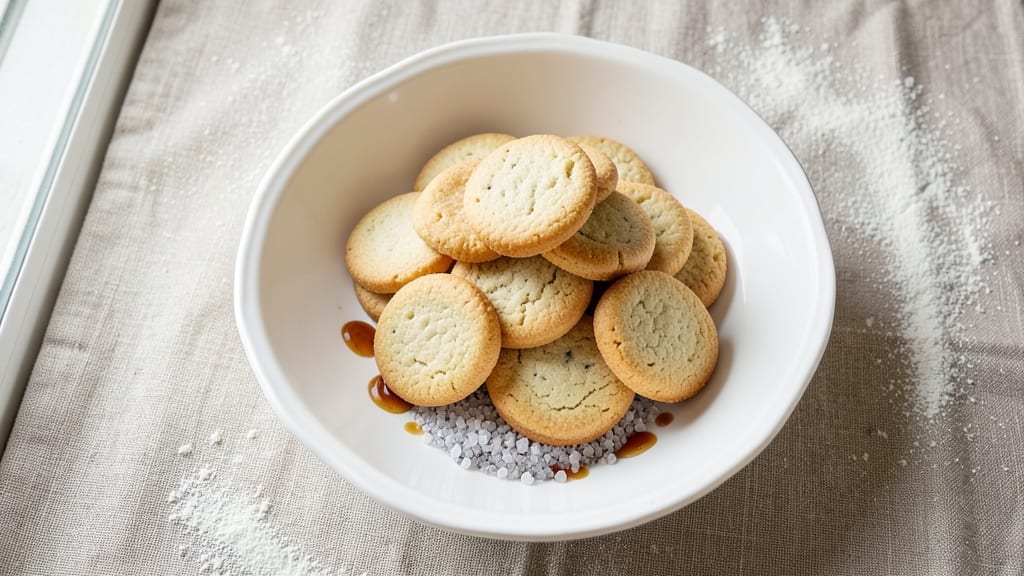
Martha Stewart’s shortbread cookie recipe delivers the perfect balance of buttery richness and delicate crumb—exactly what makes these cookies legendary. The secret lies in precise ingredient ratios and a chilled dough that develops into those signature golden layers.
I’ve tested countless variations, and this method consistently produces the tender, melt-in-your-mouth texture that defines classic shortbread. ⚡
What sets Martha’s approach apart is the technique: cold butter creates flaky layers, while vanilla extract infuses subtle warmth without overpowering the buttery base. The dough rests overnight for ideal texture, and cutting shapes before baking ensures clean edges.
This isn’t just a cookie recipe—it’s a lesson in patience and precision that transforms simple ingredients into something extraordinary.
By the time these cookies emerge from the oven, you’ll have golden, crisp-edged rounds with a crumbly yet tender interior—each bite offering that signature buttery vanilla kiss. The aroma alone will have everyone asking for seconds, and the process is simpler than it sounds.
Whether you stick to the classic or add citrus zest or sea salt, the foundation remains foolproof.
Perfect for holiday gifting, afternoon tea, or satisfying a sweet craving, these cookies stay fresh for days. The recipe scales easily, so you can bake a single batch or double for sharing. Let’s get started on creating your own batch of Martha-approved shortbread perfection.
Ingredients for martha stewart shortbread cookie
Eight essential ingredients transform into Martha’s legendary golden shortbread cookies.
| Ingredient | Amount | Notes |
|---|---|---|
| Unsalted Butter 🧈 | 1 lb | Cold and cubed for flaky layers |
| Granulated Sugar 🍚 | ½ cup | Superfine preferred for smooth texture |
| Pure Vanilla Extract 🌿 | 1 tbsp | High-quality for authentic flavor |
| All-Purpose Flour 🌾 | 2 cups | Sifted for light crumb structure |
| Fine Sea Salt 🧂 | ½ tsp | Kosher preferred for delicate seasoning |
| Ground Vanilla Bean 🌿 | ¼ tsp | Optional for deeper vanilla flavor |
| Heavy Whipping Cream 🥛 | 2 tbsp | For dough binding and richness |
| Powdered Sugar 🍚 | ¼ cup | For dusting finished cookies |
The butter is non-negotiable—European-style or Plugrá from the bakery section delivers superior flavor and texture. Look for blocks, not tubs, and keep it cold until ready to use. If your butter has separated, re-cream it by microwaving 10 seconds and kneading. The vanilla extract matters too: Nielsen-Massey or McCormick are reliable choices, but avoid imitation. For the flour, King Arthur or Bob’s Red Mill brands ensure consistent baking results. The dough’s magic comes from cold butter and precise measurements—don’t substitute margarine or oil, no matter how tempting.
No vanilla bean? Double the extract for depth. Short on heavy cream? Substitute whole milk at half the amount, though texture may vary slightly. The powdered sugar is purely decorative—use Duncan Hines or Domino for dusting. For a citrus twist, add 1 tsp lemon or orange zest with the vanilla. If you’re baking for altitude above 3,500 feet, reduce sugar by 1 tbsp to prevent spreading. The dough can be shaped into classic rounds, festive stars, or rustic rectangles—just maintain even thickness for consistent baking.
Shortbread keeps best in an airtight container with parchment between layers for 5-7 days. For longer storage, freeze shaped dough balls for up to 3 months—bake straight from frozen, adding 1-2 minutes. The cookies reheat beautifully in a 200°F oven for 3-5 minutes to restore their crisp edges. Package in cellophane bags with a sprig of rosemary for stunning holiday gifts. Leftovers? Crumble over ice cream or use as pie crust—this dough is versatile beyond belief.
Why You'll Love This Recipe
- Five-Ingredient Magic: I swear by this recipe because it’s that simple—just butter, sugar, vanilla, flour, and a pinch of salt. No fancy mixers, no waiting for dough to rest, just mix, shape, and bake. Honestly? It’s the kind of recipe that makes me feel like a baking pro without the stress.
- Buttery Vanilla Bliss: That perfect balance of rich, cold butter and just enough vanilla? It’s like a hug in cookie form. The sugar caramelizes just enough to give it a subtle sweetness, while the sea salt cuts through—trust me, the first bite will have you reaching for another.
- Holiday or Snack Attack: Between us, these cookies are my go-to for holiday gifts (they freeze beautifully) or a last-minute treat when friends drop by. They’re elegant enough for a fancy spread but simple enough for a Tuesday night craving—(yes, even on a Tuesday night).
- Zero-Waste, Maximum Flavor: A single batch yields about 24 cookies, and they stay fresh for days in an airtight container. I’ll be real: I’ve made two batches at once, frozen half, and still had leftovers for weeks. Plus, the ingredients are cheap—this is my budget-friendly luxury.
Step-by-step instructions for Martha Stewart's shortbread cookies
Here's the method for buttery, crumbly shortbread with signature vanilla layers—every step matters.
👨🍳 Step 1: Cut and Mix Cold Butter and Sugar
Cut the 1 lb unsalted butter into ½-inch cubes and place in a food processor. Add the 0.5 cup granulated sugar and pulse until combined. The butter should still be cold and pea-sized—this creates those signature flaky layers. If it starts melting, chill the mixture for 10 minutes before proceeding.
I like to pulse just until the sugar breaks up—overmixing develops gluten and ruins the delicate texture. The butter should coat the sugar evenly but still hold its shape when pressed. This cold butter-sugar mixture is the foundation of that signature shortbread crunch.
👨🍳 Step 2: Add Vanilla and Dry Ingredients
Add the 1 tbsp pure vanilla extract, 0.25 tsp ground vanilla bean, 0.5 tsp fine sea salt, and 2 cups all-purpose flour to the food processor. Pulse 8-10 times until the dough just comes together. You want a rough, sandy texture—not smooth like pie dough, but not powdery either.
Here's the thing—shortbread dough should look like wet sand when you press it. If it clumps, pulse a few more times. If it's too dry, add 1 tbsp heavy whipping cream at a time until it holds together when pressed. Don't overwork it now; we'll finish mixing by hand next.
👨🍳 Step 3: Finish the Dough by Hand
Turn the dough onto a clean surface and gently knead 3-4 times just to distribute the flour evenly. The dough should be cool to the touch and hold together when pressed. If it's too crumbly, add 1 more tablespoon heavy whipping cream and knead lightly. This step ensures even texture throughout.
Divide the dough into 4 equal portions (about 4 ounces each) and flatten into discs. Wrap each in plastic wrap and refrigerate for at least 1 hour (up to 24 hours). Chilling relaxes the gluten and makes rolling easier. This is where patience pays off—cold dough rolls out perfectly and cuts cleanly.
🔪 Step 4: Roll and Cut for Perfect Shapes
Preheat your oven to 325°F. On a lightly floured surface, roll one dough disc into a ⅛-inch thick circle (about 9 inches diameter). Use a 3-inch round cutter to cut out cookies, pressing straight down without twisting. Re-roll the scraps and cut more cookies until you've used all the dough.
Place cookies 1 inch apart on parchment-lined baking sheets. The ⅛-inch thickness is critical—any thicker and they'll be cakey; any thinner and they'll burn. I like to use a ruler to check thickness after rolling. Let them sit at room temperature for 10 minutes before baking to prevent spreading.
🔥 Step 5: Bake to Golden Perfection
Bake for 18-22 minutes until edges are just golden and centers still look slightly pale. Shortbread bakes quickly, so start checking at the 16-minute mark. The cookies should be firm to the touch but not hard—they'll continue setting as they cool.
Remove from oven and let cool on the baking sheet for 5 minutes before transferring to a wire rack. While still warm, dust the tops with 0.25 cup powdered sugar using a fine-mesh sieve. This gives that signature Martha Stewart finish. Let cool completely before storing in an airtight container—they'll keep for up to 5 days at room temperature.
Pro Tips For Making Martha Stewart Shortbread Cookie
- Cut Butter Cold: Take your butter straight from the fridge—no thawing, no softening. Martha’s recipe relies on that chilled fat for the perfect crumb, and skipping this step makes the cookies spread like pancakes. I learned this the hard way after a batch turned into sad, flat discs.
- Pulse, Don’t Overmix: Use a food processor, but stop before the dough looks uniform. Overworking it develops gluten, and your shortbread turns dense instead of melt-in-your-mouth tender. Pulse until pea-sized clumps remain—just enough to hold when pressed.
- Salt the Dough Twice: Sprinkle half the sea salt into the dry ingredients, then fold in the rest after adding vanilla. This balances flavor without overpowering, especially if your butter’s unsalted. (Yes, even if you’re impatient like me, resist the urge to skip this.)
- Chill the Dough Longer: Give it 2+ hours in the fridge—no exceptions. Cold dough = less spreading, and it lets flavors meld. I used to rush this and ended up with cookies that looked like hockey pucks. Now I set a timer and make tea while I wait.
Serving suggestions for martha stewart shortbread cookie
Classic Tea Pairing
Shortbread cookies are the perfect companion to Earl Grey tea—the bergamot notes complement the buttery vanilla beautifully. I always serve mine with a hot cup of Darjeeling during afternoon tea, as the floral complexity balances the richness.
For a modern twist, try chamomile tea with a splash of honey for a soothing contrast. 🍵
Creamy Coffee Dippers
Warm vanilla bean cream or cold brew concentrate transforms these cookies into elegant dippers. I drizzle Godiva White Chocolate Ganache over the cookies first, then dip half into the coffee for a luxurious bite. For a lighter option, serve with cinnamon-spiced almond milk and a sprinkle of crushed pistachios.
Holiday Gift Presentation
Package cookies in cellophane bags tied with ribbon and a sprig of rosemary for a festive touch. I use Martha Stewart’s signature gold foil boxes for special occasions—they elevate any gift.
Add a handwritten note with the recipe for a personal touch. These make stunning gifts for teachers, neighbors, or holiday parties. ✨
Dessert Board Showstopper
Arrange cookies on a slate board with fresh raspberries, dark chocolate truffles, and crème fraîche for a stunning dessert spread. I like to add edible gold leaf on half the cookies for extra elegance. Serve with sparkling wine or champagne to complete the presentation. Perfect for celebrations!
Breakfast or Brunch
Crumbled shortbread makes a fantastic yogurt topping—mix with Greek yogurt, honey, and toasted almonds for a protein-packed breakfast. I also serve them alongside bacon and eggs for a sweet-savory contrast. The buttery crunch cuts through rich morning foods beautifully. 🥓
Ice Cream Topper
Crush cooled cookies into fine crumbs and sprinkle over vanilla bean ice cream or coffee gelato. I melt white chocolate and drizzle it over the ice cream first, then add the crumbled shortbread for texture.
A pinch of flaky sea salt enhances the flavors perfectly. This is my go-to dessert hack! 🍦
Nutrition facts
Frequently asked questions
Why does Martha Stewart's shortbread dough need to chill overnight?
Chilling the dough for at least 1 hour (or up to 24 hours) relaxes the gluten and prevents spreading during baking. This creates those signature crisp edges and tender crumb. Cold butter also maintains its shape better when cutting, giving you clean, professional-looking cookies.
Can I substitute butter with margarine or oil?
Never substitute butter in this recipe—the fat content and flavor are essential for authentic shortbread. Butter creates the signature flaky layers, while margarine or oil will make the cookies denser and less flavorful. Use European-style butter or Plugrá for the best results.
How do I prevent my shortbread from spreading too much?
Keep the dough cold throughout the process and maintain a ⅛-inch thickness when rolling. Use a ruler to check thickness, and let cookies rest 10 minutes at room temperature before baking. Overcrowding the baking sheet also causes spreading—leave 1 inch between cookies.
What's the secret to extra-crispy shortbread?
Bake at 325°F until edges are just golden (not brown) and centers are still pale. Remove immediately from the oven and cool on the baking sheet for 5 minutes before transferring. The residual heat continues setting the cookies, locking in that signature crunch.
Can I make these cookies without a food processor?
Yes! Cut the cold butter into the flour using a pastry cutter or two forks until pea-sized pieces remain. The texture will be slightly less uniform, but you'll still get delicious shortbread. Just be gentle when mixing to avoid developing gluten.