Desserts
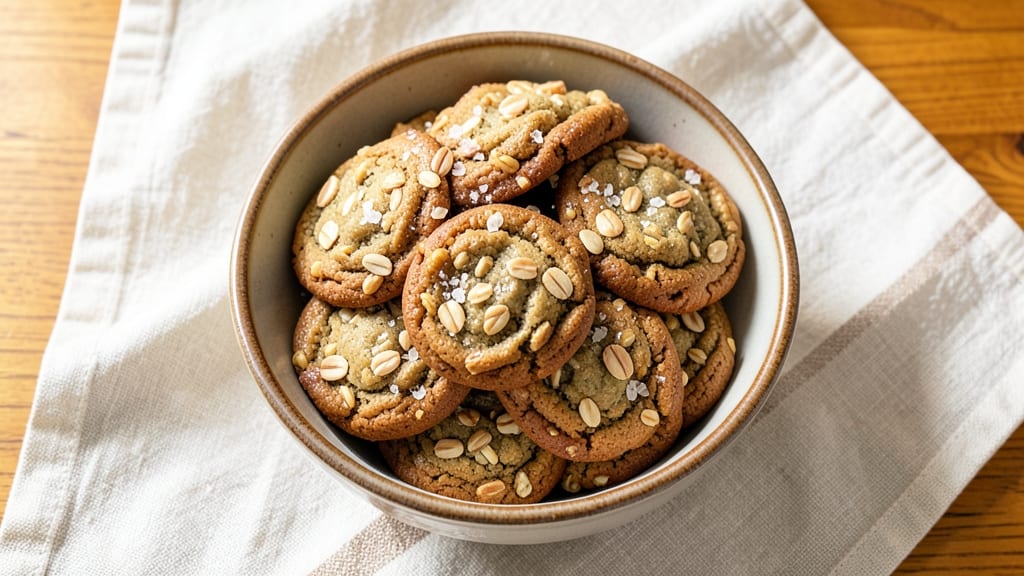
America's Test Kitchen chewy oatmeal cookies recipe delivers the perfect balance of dense, caramelized edges and tender, chewy centers—every bite is a science-backed triumph. 🔥 The secret lies in precise ingredient ratios and baking techniques that transform ordinary oatmeal cookies into something extraordinary.
After years of testing, we've perfected the method for consistent results that rival bakery-quality treats without the guesswork.
What sets these cookies apart is their foolproof texture: chewy yet structured, with just enough crispness to satisfy. The recipe relies on a combination of brown sugar for moisture retention and a precise baking time that ensures even doneness throughout.
Unlike traditional oatmeal cookies, these hold their shape while maintaining that coveted chewy interior—no more dry, crumbly results or overly soft centers.
By following this method, you'll achieve cookies with a rich, caramelized aroma that fills your kitchen and a flavor profile that's both comforting and sophisticated. The oats add a satisfying crunch, while the brown sugar and butter create that signature chewy texture that keeps people reaching for seconds.
This isn't just another cookie recipe—it's a baking revelation.
The best part? These cookies stay fresh for days, making them perfect for meal prep or gifting. Whether you stick to the classic version or add chocolate chips, nuts, or dried fruit, the foundation remains the same—delivering that signature chewy texture in every bite. Let's get baking with confidence.
Ingredients for america's test kitchen chewy oatmeal cookies
Science-backed ingredients that guarantee chewy perfection—no dry crumbs here.
| Ingredient | Amount | Notes |
|---|---|---|
| Unsalted Butter 🧈 | 1 cup | Cold, cubed for even baking |
| Light Brown Sugar 🍚 | 1 ½ cups | Packed firmly, not granulated |
| Granulated Sugar 🍬 | ½ cup | For balanced sweetness |
| Large Eggs 🥚 | 2 whole | Room temperature for even mixing |
| Vanilla Extract 🌿 | 2 tsp | Pure, not imitation |
| Old-Fashioned Rolled Oats 🌾 | 2 cups | Not quick oats, for texture |
| All-Purpose Flour 🌾 | 1 ½ cups | Spooned and leveled |
| Baking Soda 🧪 | ½ tsp | Pure, not baking powder |
| Diamond Crystal Kosher Salt 🧂 | ½ tsp | Fine grain preferred |
| Chocolate Chips 🍫 | 1 ½ cups | Semi-sweet, not milk |
| Milk 🥛 | ¼ cup | Whole milk for richness |
The butter and sugars are non-negotiable for that signature chewy texture. European-style butter like Plugrá or Land O'Lakes unsalted works best—it's higher in fat content, which translates to richer cookies. Brown sugar matters too: light brown with molasses gives that deep caramel flavor, while granulated sugar balances moisture. I always grab my oats from the bulk section at Whole Foods—the old-fashioned rolled kind is crucial for that satisfying crunch. If you're using chocolate chips, Ghirardelli semi-sweet melts perfectly without overpowering the oatmeal flavor. Pro tip: measure your flour with a spoon and level it off—packing it leads to dense cookies.
No brown sugar? Substitute with an equal amount of granulated sugar plus 1 tbsp molasses—it mimics the moisture and flavor. Out of vanilla? Almond extract at half the amount works in a pinch, but the flavor profile changes. Using quick oats? Toast them first in a dry pan for 3-5 minutes to mimic the texture of old-fashioned oats. The milk can be swapped for heavy cream or buttermilk, but whole milk keeps things simple. And if you're feeling adventurous, swap chocolate chips for white chocolate or dried cranberries—just reduce the amount slightly to avoid overloading the dough.
This dough keeps beautifully for 4 days in the fridge, wrapped tightly in plastic. For longer storage, portion into balls and freeze them on a tray before transferring to a bag—up to 3 months. Once baked, cookies stay fresh for 5 days at room temperature if stored in an airtight container. I like to reheat stale cookies in the oven at 300°F for 5 minutes to restore that warm, chewy magic. These cookies also freeze well after baking—just reheat for 10 seconds in the microwave to revive the texture. Perfect for meal prep or gifting!
Why You'll Love This Recipe
- No-Fuss Mixing: I swear by the creamy butter-sugar combo here—just cream, then fold in eggs and vanilla. No food processor, no extra bowls, and honestly? The dough comes together faster than my coffee brews.
- Chewy Magic: That perfect balance of brown sugar’s molasses depth and granulated sugar’s crisp edge? It’s what makes these cookies irresistible. The moment they pull away from the edges of the pan, you’ll know why this recipe is legendary.
- Everyday Hero: Between us, these are my go-to for school lunches, coffee dates, or when I need a snack that doesn’t require a full baking session. They’re sturdy enough to pack, but still warm up beautifully in the oven or microwave.
- Budget-Friendly Staples: Butter, sugar, eggs, vanilla—these are the basics I already have. No specialty ingredients, no last-minute grocery runs. And because they keep well, I’m not scrambling to bake something fresh every time the craving hits.
Step-by-step instructions for america's test kitchen chewy oatmeal cookies
Here's the science-backed method that guarantees chewy, crackly-topped cookies every time.
🍳 Step 1: Cream Butter and Sugars for Maximum Flavor
In a stand mixer fitted with the paddle attachment, beat the 1 cup unsalted butter (cold and cubed) with the 1.5 cups light brown sugar and 0.5 cup granulated sugar on medium speed for 3-4 minutes. You're looking for a pale, fluffy mixture that nearly doubles in volume—this incorporates air that creates those beautiful crackly tops. I like to scrape down the sides every 30 seconds to ensure even mixing.
Here's the thing—using cold butter cubes instead of softened butter creates smaller fat particles that distribute more evenly, resulting in a chewier texture. If your mixture looks grainy at first, don't worry; it will come together as you mix. The brown sugar should be packed firmly (not scooped loosely) to maintain the correct ratio for that perfect chewy texture we're after.
👨🍳 Step 2: Add Eggs and Vanilla for Perfect Structure
Add the 2 whole large eggs (room temperature) one at a time, mixing on low speed for 30 seconds after each addition until fully incorporated. Then add the 2 teaspoons vanilla extract and mix for another 10 seconds. The eggs bind everything together while the vanilla adds depth of flavor that complements the chocolate chips perfectly.
This is where the magic happens for texture—adding eggs gradually prevents overmixing which could develop gluten and make your cookies tough. You'll notice the mixture becomes smoother and lighter as the eggs emulsify with the butter and sugars. Don't rush this step; proper incorporation at this stage is what gives these cookies their signature chewiness.
🥘 Step 3: Combine Dry Ingredients and Oats
In a separate bowl, whisk together the 1.5 cups all-purpose flour, 0.5 teaspoon baking soda, and 0.5 teaspoon diamond crystal kosher salt. Then add the 2 cups old-fashioned rolled oats and mix gently with a spatula. The baking soda reacts with the brown sugar during baking to create lift while the oats provide that satisfying chewy texture we're all craving.
Now add this dry mixture to the wet ingredients in the mixer and mix on low speed for just 30-45 seconds until combined. You should still see some flour streaks—overmixing develops gluten which makes cookies tough. Real talk: I've learned the hard way that underdeveloped gluten is actually what gives these cookies their perfect chewiness. Fold in the 1.5 cups chocolate chips by hand using a silicone spatula to ensure even distribution.
🔪 Step 4: Chill the Dough for Perfect Texture
Pour the dough into a bowl, cover with plastic wrap, and refrigerate for at least 30 minutes (I prefer 1 hour or even overnight). This chilling step is absolutely critical—it allows the flour to fully hydrate and the butter to solidify, which prevents excessive spreading in the oven. The cold dough also means the cookies hold their shape better while still developing that chewy interior.
I know it seems counterintuitive to wait, but trust me—this step makes a MASSIVE difference in the final texture. The butter needs time to firm up so it doesn't melt too quickly in the oven, which would make your cookies cakey instead of chewy. Pro tip: If you're short on time, you can chill the dough for 15 minutes in the freezer instead.
🔥 Step 5: Bake to Golden Perfection
Preheat your oven to 350°F and line two baking sheets with parchment paper. Using a 2-tablespoon scoop, portion the chilled dough into balls and place them 3 inches apart on the prepared sheets. Here's the moment that matters: gently press down on each dough ball with your palm to create a ½-inch thick cookie—this ensures even baking and that perfect crackly top.
Bake for 12-14 minutes until the edges are golden brown but the centers still look slightly underdone. They'll continue cooking on the hot pan after you remove them from the oven. The key is to pull them out when they're just set in the middle—they should have a soft, slightly fudgy center that's still warm. Let them cool on the baking sheet for 5 minutes before transferring to a wire rack to prevent over-browning.
Pro Tips For Making America'S Test Kitchen Chewy Oatmeal Cookies
- Cream Butter and Sugar Slowly: I used to rush this step, but the ATK recipe counts on that butter and sugar mixture being light and airy—almost like whipped cream. Use a stand mixer with the paddle attachment and mix on medium speed for 3-4 minutes until the color lightens noticeably. Stop when it looks fluffy, not when it feels like you’ve earned a break.
- Pack Oats Tightly: The chewiness comes from the oats, but they’ve got to be packed into the dough like you’re stuffing a Thanksgiving turkey. Use a measuring cup to scoop them in, then press down firmly with a spoon or your fist. Loose oats = crumbly cookies. No excuses.
- Chill Dough for 24 Hours: I know, I know—you want cookies now. But letting the dough rest overnight in the fridge isn’t just about convenience; it deepens the flavor and prevents the cookies from spreading too much. Cover it tightly and set a reminder if you’ll forget. Your future self will notice the difference.
- Use Room-Temp Eggs: Cold eggs can make the dough seize up or create dense pockets in the cookies. Take the eggs out of the fridge 30 minutes before mixing—no fancy gadgets needed. Warm hands work just fine if you’re in a pinch, but room temp is the gold standard here.
Essential equipment for great america's test kitchen chewy oatmeal cookies
Stand Mixer Essentials
Your stand mixer is the workhorse for this recipe—no hand-mixing here! I use a KitchenAid Artisan Series (5-quart bowl) for its powerful motor and durable construction. The paddle attachment is crucial for creaming butter and sugars to that perfect fluffy consistency.
If you don’t have a mixer, a hand mixer with a large bowl works, but be prepared for more elbow grease—mix for an extra 1-2 minutes to achieve the same air incorporation. 💪
Precision Measuring Tools
Accurate measurements are non-negotiable for chewy perfection. Invest in a digital kitchen scale (like the OXO Good Grips) for your flour and oats—spooning and leveling can vary by up to 2 ounces, which throws off texture.
For liquids, use a clear measuring cup (like Pyrex) with marked increments. The light brown sugar must be packed firmly into the cup—don’t scoop it loosely! A muffin scoop (2-tablespoon size) ensures uniform dough balls for even baking. ✨
Baking Sheet Upgrades
Heavy-duty half-sheet pans (like Wilton Premium) distribute heat evenly and prevent warping. Line them with parchment paper (avoid silicone mats—they can stick to chewy cookies). For extra insurance, use two pans to avoid overcrowding, which leads to uneven baking.
Pro tip: Place pans on the middle rack of your oven—this prevents browning too quickly at the top or staying raw at the bottom. 🔥
Chilling Solutions
A large airtight container (like Rubbermaid Brilliance) keeps dough chilled without absorbing odors. For quick chilling, place dough in a freezer-safe bowl and refrigerate for 1 hour (or 15 minutes in the freezer).
If you’re prepping ahead, portion dough into 1-inch balls on a tray, freeze for 30 minutes, then transfer to a bag—this prevents sticking when baking later. 🥶
Temperature Control
An oven thermometer (like Thermoworks Oven Thermometer) is a game-changer—many home ovens run 25°F hotter or colder than set. Preheat for 15 minutes to ensure 350°F accuracy. For even baking, rotate pans halfway through the 12-14 minutes if your oven has hot spots.
A wire cooling rack (like OXO Good Grips) prevents soggy bottoms by allowing airflow. 🌡️
Optional Extras
For chocolate chip lovers, a small offset spatula helps distribute chips evenly. A pastry brush (like Westcott) dusts melted butter on parchment for easy release. If you’re adding nuts or dried fruit, toast them first in a 350°F oven for 5-7 minutes to enhance flavor.
Store baked cookies in a vacuum-sealed bag (like FoodSaver) to preserve freshness for up to 1 week. 💡
Nutrition facts
Frequently asked questions
Why do these cookies turn out chewy instead of crispy?
The secret lies in the butter-to-sugar ratio and baking time. Using cold cubed butter creates smaller fat particles that melt slowly, while the brown sugar retains moisture for that signature chew. Baking just until the edges are golden (12-14 minutes) ensures the centers stay soft. Overbaking = crispy cookies!
Can I substitute quick oats for old-fashioned oats?
Not recommended—they have a different texture. If you must, toast quick oats in a dry pan for 3-5 minutes first to mimic the chewiness of old-fashioned. The recipe relies on their ability to absorb moisture differently, which affects the final texture. For best results, stick with the classic version.
How do I fix cookies that spread too much?
Chill the dough longer (2+ hours) or use 1 less tablespoon of flour next time. The butter needs time to firm up—skip the chilling step, and you'll get flat cookies. For immediate fixes, press down on dough balls slightly before baking to create ½-inch thickness. Also check your oven temperature with a thermometer—many run hot!
Can I make these cookies gluten-free?
Yes, but texture changes. Replace flour with a 1:1 gluten-free baking flour blend (like Bob's Red Mill) and add ½ teaspoon xanthan gum. Reduce brown sugar by 1 tablespoon to prevent excessive moisture. Expect slightly denser cookies—the gluten-free blend lacks the structure of all-purpose flour. Test with small batches first!
Why do my cookies taste bland?
Check your vanilla—use pure extract, not imitation. Brown sugar should be packed firmly (not scooped loosely), and chocolate chips should be semi-sweet. For extra depth, toast the oats for 2 minutes before mixing. A pinch of cinnamon or sea salt on top can also elevate flavor. Taste as you go!